



Type “organic THCa gummies near me” into a search engine and you’ll find more than storefronts – you’ll find a question: can a raw, non‑intoxicating cannabinoid offer a different path for people looking beyond Delta‑9 THC? As cannabinoid science and craft edibles collide, THCa has quietly become a topic of curiosity for consumers who want the plant’s complexity without the same high, and for those exploring alternatives for managing everyday discomfort.
This article walks that curiosity through the essentials: what THCa is and how it differs from Delta‑9; why “organic” matters to some buyers; how to evaluate local products (labeling, third‑party testing, dosing transparency); and the legal and safety considerations that should guide every purchase.We’ll keep the tone practical and impartial – presenting what’s known,what’s reported anecdotally,and what to double‑check before you buy.
if you’re searching for a nearby option, think of this piece as a map and a checklist: it won’t tell you what to try, but it will help you ask the right questions so you can decide whether organic THCa gummies deserve a spot in your toolkit as a potential Delta‑9 choice.
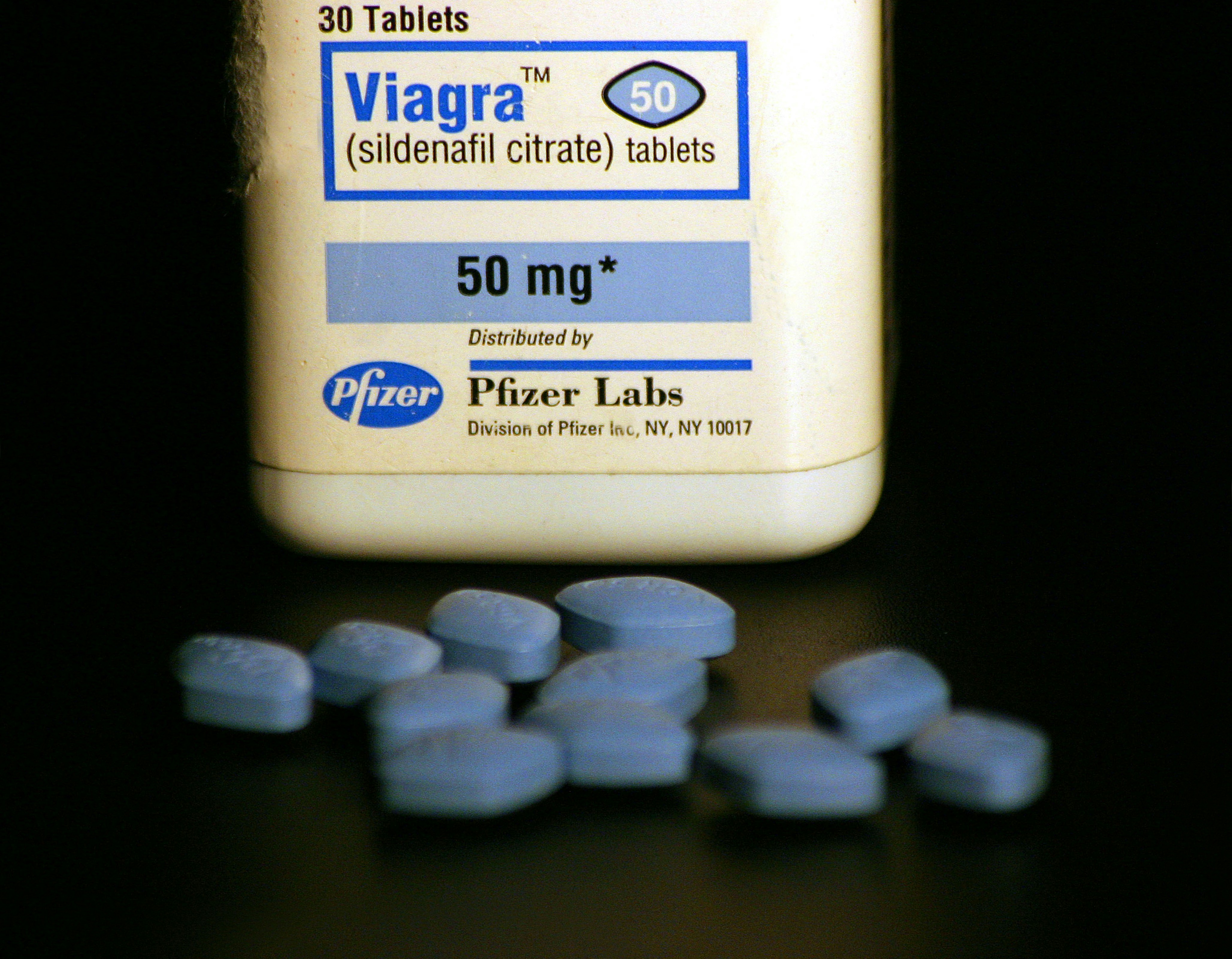
Understanding THCa Versus Delta 9 for Pain Relief: How They Work and What to Expect
Think of THCa and delta-9 as relatives with different careers: one works quietly behind the scenes while the other takes the spotlight. THCa is the raw, non-intoxicating precursor found in fresh cannabis and hemp; it doesn’t bind strongly to CB1 receptors and is often credited with anti-inflammatory and neuroprotective activity in laboratory studies. Delta-9 THC, produced when THCa is heated (decarboxylated), interacts robustly with CB1 and CB2 receptors to alter pain perception and mood - which explains both its analgesic potential and its psychoactive effects.
When you try an organic THCa gummy, expect a subtler experience than a delta-9 product: pain reduction that leans toward inflammation control and neuropathic symptom relief rather than immediate, strong sedation or euphoria.onset and duration depend on formulation and metabolism – gummies typically take 30-90 minutes to kick in and last several hours – and the real-world effect often reflects the full-spectrum entourage of minor cannabinoids and terpenes in the product. Always start low and monitor how you feel; combining cannabinoids or other medicines can change outcomes.
Benefits & Considerations
- Potential benefits of THCa: anti-inflammatory tendencies, low risk of intoxication, suitability for daytime relief.
- Potential benefits of delta-9: potent analgesia for acute or severe pain, stronger muscle relaxation and sleep support.
- Safety notes: legal status varies by jurisdiction, delta-9 can impair driving or cognition, and anyone on prescription drugs should consult a clinician before use.
Quick comparison:
| feature | THCa | delta-9 THC |
|---|---|---|
| Primary action | Anti-inflammatory, non-intoxicating | CB1/CB2 agonist, psychoactive |
| Onset (gummies) | 30-90 min, gentle rise | 30-90 min, frequently enough stronger effect |
| Best for | Chronic inflammation, daytime use | Severe pain, nighttime relief |
| Consider before use | Check product labeling for decarboxylation | Be mindful of impairment and legal limits |

Safe Dosage Considerations and practical Usage Recommendations for THCa Gummies
Think of dosing as a personal experiment - one that should be careful, gradual, and documented. THCa in its raw form is non-intoxicating, but when heated it can convert to Delta‑9 THC and edibles are metabolized differently than inhaled products. Because commercial gummies vary in potency and bioavailability, always begin with the smallest measurable portion and give yourself ample time to assess effects. Lab-tested products and clear labeling are your best friends; when in doubt, choose lower-potency servings and split gummies to fine-tune your response.
practical habits make safer use effortless. Follow the “start low, go slow” approach: begin with a conservative amount, wait, and increase only if needed. Keep a short log of dose, time, and effects so adjustments are based on evidence, not guesswork. Never combine THCa gummies with alcohol or sedatives until you know how a dose affects you. And remember that tolerance,body weight,metabolism,and recent meals all influence outcome.
- Read the label: verify mg per gummy and third‑party lab results.
- Measure precisely: split gummies or use microdosing pieces to control intake.
- Wait and observe: edibles can take 60-180 minutes for full effects.
- Avoid mixing: don’t combine with alcohol, benzodiazepines, or opioids without medical advice.
- Store safely: keep sealed, cool, and out of reach of children and pets.
| Experience | Suggested Start | typical Wait | Quick Note |
|---|---|---|---|
| Beginner | 1/4-1/2 gummy (small fraction) | 90-180 min | Start very low; keep a glass of water nearby |
| Intermediate | 1/2-1 gummy | 60-120 min | Adjust in half-gummy steps |
| Experienced | 1+ gummies | 45-120 min | Track tolerance and avoid daily escalation |
Safety first: discuss THCa use with your healthcare provider if you take prescription medications, are pregnant or breastfeeding, or have a history of substance sensitivity. Avoid driving or operating heavy machinery until you know how a given dose affects you. treat each product as unique - potency, extraction method, and carrier ingredients all change the experience – and prioritize clarity and caution over curiosity.

talking to Your Healthcare Provider and Local Dispensaries about Switching from Delta 9 to THCa
When you sit down with your healthcare provider, come prepared like a curious scientist: bring product labels, third‑party lab reports (COAs), a current medication list, and a short log of how delta‑9 has affected your pain and daily functioning. Be candid about past dosing, side effects, and any concerns about mood, cognition or driving. Ask clear, practical questions such as “Could THCa interact with my current medications?”, “Should we monitor liver enzymes or other labs?”, and “How soon should I report changes in pain, sleep, or mental state?”
Local dispensaries can be a great resource if you know what to ask.Request batch‑specific COAs and confirm the product’s cannabinoid profile, solvent/pesticide screens, and manufacturing date. Use this checklist when speaking with budtenders or managers:
- COA availability (batch ID matching the jar)
- Extraction & sourcing (organic hemp? solventless or ethanol?)
- Potency guidance (recommended starting mg and onset expectations)
- Storage & shelf life (gummies can degrade; ask about humidity/heat resistance)
If a dispensary can’t show lab results or answer these directly, consider that a red flag.
| Feature | delta‑9 | THCa |
|---|---|---|
| Psychoactivity | Typically intoxicating | Non‑intoxicating unless heated |
| Legal nuance | Varies widely by state | Often legal as raw hemp compound |
| Onset (gummies) | 30-90 min | Similar, but potency depends on decarboxylation |
Start any switch with the mantra “start low, go slow.” As THCa can convert to delta‑9 with heat (decarboxylation), discuss product handling and dosing strategy with both clinician and dispensary staff to avoid unintended intoxication. Keep initial doses conservative and schedule follow‑ups to adjust.
coordinate care: ask your provider to document the plan and note any monitoring they want (labs, symptom checklists), and ask the dispensary to record batch IDs for each purchase. Keep a short symptom journal and dosing log for at least two weeks after switching - this simple habit gives your clinician and the dispensary concrete data to refine treatment.verify local regulations and workplace testing policies before making the transition so your health plan and daily life remain aligned.
The Way Forward
As interest in plant-based alternatives to conventional pain relievers grows, organic THCa gummies have emerged as one option people are exploring as a Delta-9 alternative. If you’re searching “organic THCa gummies near me,” remember that proximity is useful,but quality and transparency matter more than convenience alone.
When weighing whether to try THCa gummies, look for organic sourcing, third‑party lab results (COAs), clear ingredient lists, and trustworthy retailers. Check local and federal laws where you live, start with a low dose, and discuss potential interactions with your healthcare provider-especially if you take other medications. These steps help you balance curiosity with caution.
Ultimately, informed choice is the best guide. whether you find relief in a chewable gummy or prefer another approach, doing your homework, consulting professionals, and prioritizing safety will help you make a decision that fits your needs.

