


Think of THCA as cannabis in its morning clothes: the same plant molecule, but not yet dressed for the party. Tetrahydrocannabinolic acid (THCA) sits in raw cannabis as a precursor to the well-known psychoactive compound THC, and until it’s exposed to heat or time it behaves differently – chemically, biologically, and experientially. As curiosity about cannabis grows beyond the simple question of “will this get me high?”, THCA has emerged as a interesting subject: enigmatic, understudied, and often misunderstood.
This article peels back the layers on THCA, tracing its journey from plant biosynthesis to the moment it changes form, explaining in plain terms how it interacts with the body’s systems and what people report feeling when they consume it. We’ll separate laboratory findings from anecdote, look at how different preparation methods alter its effects, and highlight what researchers still don’t know. Whether you’re a casual reader wondering why raw cannabis is treated differently, or someone seeking a clearer map of the molecules behind the mood, this guide aims to inform – without hype – about how THCA works and how it feels.

Practical Use Guidelines: Consumption Methods, Dosage Recommendations, and Tips to Minimize Unwanted Effects
Choose the method that matches your goals. If you want non-psychoactive, live THCA experiences, favor cold preparations – raw flower in smoothies, cold-pressed tinctures, or topicals – because heating converts THCA into psychoactive THC. If you’re exploring the psychoactive side,inhalation (vaping/smoking) and customary edibles will deliver decarboxylated THC quickly or over a longer period,respectively. Always buy products with clear lab certificates so you know whether the label refers to THCA, THC, or a combined “total potential THC” figure.
Start low and wait – then adjust slowly. A common and practical framework is microdosing and measured escalation: microdose levels (for THC-equivalent products) frequently enough begin around 1-2.5 mg, a low dose 2.5-5 mg, and moderate doses 5-10 mg, with higher ranges reserved for experienced users. For raw THCA products, treat label milligrams as different from decarbed THC – heating changes potency – so err toward smaller portions until you know how a specific product behaves. Keep a simple log of dose, method, onset time, and effects to learn your personal sensitivity.
- Timing matters: inhalation = fast onset (minutes); edibles = slow onset (1-3+ hours) but longer duration.
- Reduce unwanted effects: avoid mixing with alcohol or sedatives, stay hydrated, have fatty food available for edibles, and consider a CBD-dominant product on hand – it may help blunt overstimulation.
- Environmental controls: comfortable setting, a trusted companion if trying a new dose, and no driving or complex tasks until you know effects.
Practical handling and long-term habits. If you want reliably non-intoxicating THCA,avoid any route that uses heat: cold tinctures and topical formulas keep the acid form intact. For consistent dosing, prefer measured tinctures or capsules with mg markings and third-party lab results over untested homemade preparations. Store flower and extracts in a cool, dark place to limit accidental decarboxylation, and if you take other medications, check interactions with a healthcare professional before experimenting.
| Method | typical Onset | Typical Duration | Starting Suggestion | Psychoactivity Risk |
|---|---|---|---|---|
| Raw/Cold Tincture | 10-60 min | 1-4 hrs | Low, titrate | Low (if unheated) |
| Smoking/Vaping | Minutes | 1-3 hrs | Microdose to 2.5-5 mg THC-eq | High (decarboxylation) |
| Edible (baked/gummies) | 30-180 min | 4-8+ hrs | 2.5-5 mg THC-eq start | High (decarboxylation) |
| Topical | 10-45 min | Local, variable | Use per product instructions | Minimal (if non-transdermal) |
Buying, Storing, and Staying Compliant: How to Read Labels, Preserve Potency, and Navigate Legal Risks
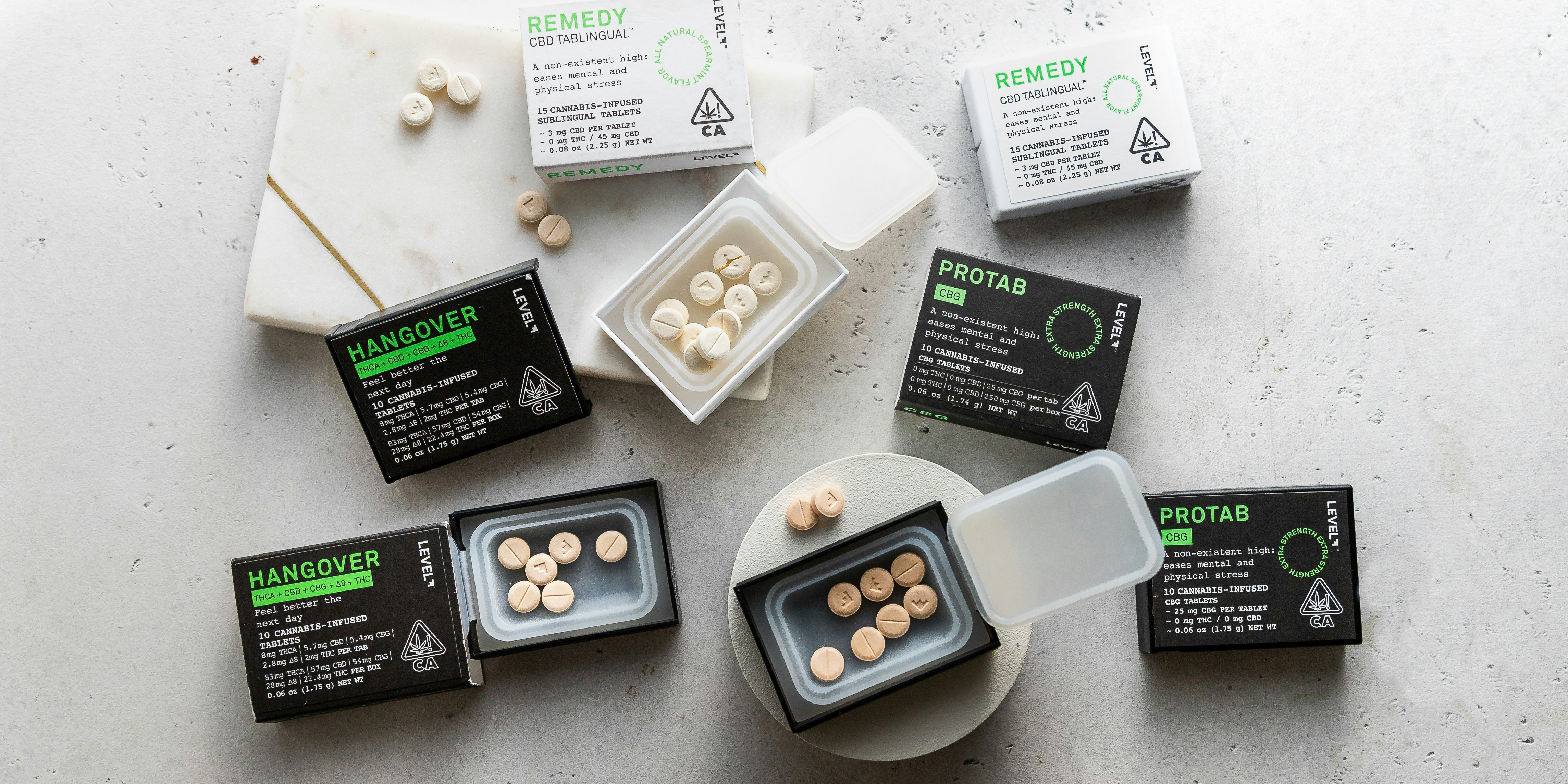
Labels are your first line of defense: learn to read them like a detective reads a clue. Look for clear THCA percentages, the presence of a Certificate of Analysis (COA) link or QR code, extraction method, and any solvent or terpene additives. Pay particular attention to ambiguous wording-phrases like “hemp-derived,” “non-intoxicating,” or “contains cannabinoids” can hide legal or potency surprises. When a COA is available, check the testing lab’s name, sample date, and whether tests include residual solvents, pesticides, and cannabinoid profile.
- THCA percentage (not just THC)
- Lab batch number and test date
- extraction & carrier (solvent-free vs.solvent-based)
- Suggested use & warnings (dosage, interactions)
How you store it matters nearly as much as what you buy. Keep THCA products in a cool, dark place in airtight containers to slow decarboxylation into THC; humidity control (35-55%) preserves flower texture and terpene integrity. The table below gives quick, practical guidelines for different product types-think of it as a pocket cheat-sheet for potency preservation.
| Product | Temp | Container | Shelf Life (approx.) |
|---|---|---|---|
| Raw flower | 16-20°C | Glass jar, vacuum-sealed | 6-12 months |
| Concentrates | 10-16°C | Opaque, airtight | 12+ months |
| Topicals/edibles | Cool pantry / fridge | Original sealed packaging | 3-12 months |
Navigating legal risks means documenting everything and staying conservative. Keep COAs and receipts, buy from reputable vendors who post third-party lab results, and avoid making medical claims that could trigger regulatory attention. If you travel, remember that THCA’s legal status can change across states and countries-what’s harmless at home might be a problem at the border. When in doubt,consult local guidance or a compliance professional and err on the side of openness: proper labeling,traceability,and safe storage reduce both health and legal exposure.
In summary
By now THCA should feel less like a mysterious chemical and more like a piece of a larger puzzle – a mostly dormant precursor with its own subtle presence and a host of unanswered questions. It interacts with the body’s endocannabinoid system in ways researchers are still mapping, and its effects – mild, nuanced, and frequently enough context-dependent – stand in contrast to the more familiar impact of THC after decarboxylation.
If there’s a through-line to remember, it’s this: THCA invites curiosity rather than certainty. Anecdote and early laboratory work hint at potential benefits, but robust clinical evidence is still evolving. Legal status and safety considerations vary, and personal responses can differ widely, so thoughtful skepticism and up-to-date information are your best guides.
Whether you view THCA as a promising area for future medicine, an intriguing botanical curiosity, or simply another chapter in the cannabis story, it’s clear the conversation is far from over. Keep asking questions, follow the science as it develops, and approach new discoveries with the same balance of wonder and caution you give any emerging field.

