



If you’ve ever scanned a dispensary label, scrolled past a forum thread, or overheard a conversation about “THCA” and wondered whether it’s just another cannabis buzzword, you’re not alone. THCA - tetrahydrocannabinolic acid – sits at the intersection of plant chemistry,law,and medical curiosity,and the gap between what it is indeed and what people think it does can feel surprisingly wide.Put simply, THCA is the chemical cousin of the better-known THC, the compound most associated with cannabis’s psychoactive effects. In its raw form on the plant, THCA is non-intoxicating; onyl after certain transformations, such as heating, does it convert into the familiar THC that alters perception. But that basic fact is just the beginning: the story of THCA involves chemistry (decarboxylation), evolving research, diverse consumption forms, and a patchwork of legal and regulatory stances.
This guide aims to cut through the jargon without taking sides. Whether you’re curious about the science, the safety, the legal landscape, or how THCA shows up in products and research, you’ll find clear, evidence-minded explanations and practical perspectives to help you understand what THCA is – and what it isn’t.
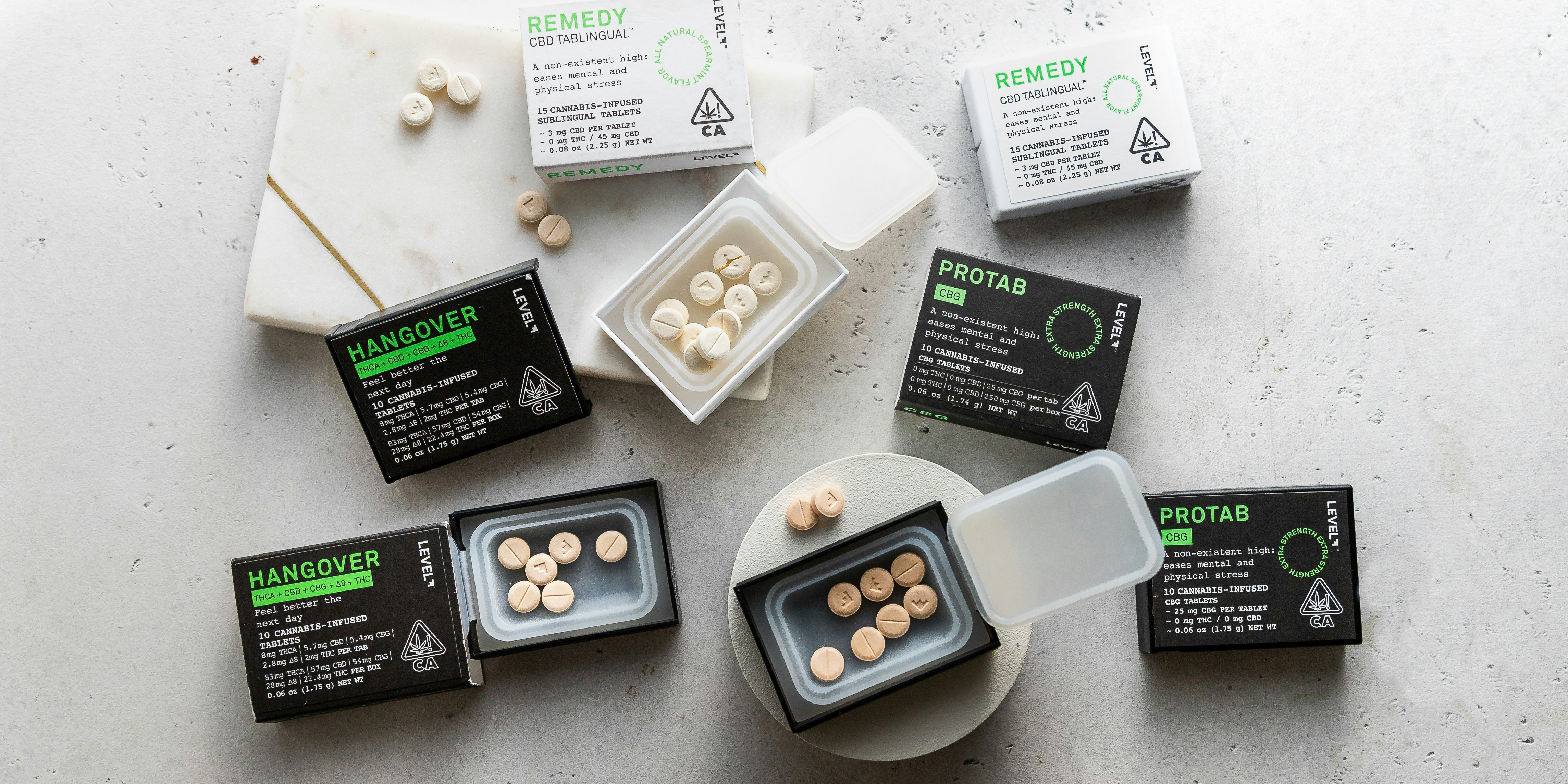
Meet THCA: The Untapped Compound, Its Chemistry and How It Interacts with the body
At the molecular level this molecule is an acidic cannabinoid-think of it as the plant’s raw, unsmoked blueprint. It carries a carboxyl group (-COOH) attached to the core cannabinoid skeleton, which makes it chemically distinct from its decarboxylated cousin. In the living plant it accumulates in glandular trichomes and is frequently enough listed in lab reports as the dominant cannabinoid in fresh flowers and leaves.Chemically speaking, its common form has an approximate formula of C22H30O4 and a molar mass near 358.5 g·mol−1, though you’ll see small variants depending on isomer and nomenclature.
When heat, light, or time remove that carboxyl group, a transformation occurs: it loses CO2 and converts into a familiar intoxicant. Raw, unheated material is generally described as non-intoxicating because the added acid prevents the molecule from binding efficiently to brain CB1 receptors. That conversion is why smoking, vaping, or baking changes the experience and chemical profile of the plant dramatically-one form is largely inert in terms of psychoactivity, the other is not.
How it interacts with the human body is still under investigation. Current studies suggest it has low affinity for CB1 and CB2 receptors but may influence other biological systems-think TRP channels, PPAR receptors, and enzymatic pathways involved in inflammation and metabolism. Early lab and animal work points to potential regulatory effects on inflammation and cellular stress responses, though human data are limited and inconclusive.Common ways people encounter this compound include:
- Raw consumption: juicing fresh plant material or eating raw leaves.
- Cold-extracted products: tinctures and oils processed without heat to preserve the acid form.
- Decarboxylated preparations: smoking, vaping, or baked goods where conversion to THC occurs.
- Topicals and extracts: formulations intended for localized use where systemic conversion is unlikely.
If you’re curious from a practical or scientific angle, note that the evidence base is evolving-laboratory assays and standardized testing matter because thermal history and product processing change both chemistry and potential effects. While anecdotal reports describe a range of experiences, responsibly evaluating source material and relying on peer-reviewed data will give the clearest picture.
| Feature | Rapid Fact |
|---|---|
| Chemical type | Acidic cannabinoid (carboxylated) |
| Psychoactivity | Typically non-intoxicating (pre-decarboxylation) |
| Common source | Fresh, undried cannabis flower |
| Notable action | May modulate inflammation-related pathways |

From Raw Leaf to Activated Effect: Decarboxylation Explained and Practical Heating Recommendations
In the living plant, the molecule you encounter most commonly is THCA – an acidic precursor that sits quietly in the trichomes until heat, light, or time nudges it into action. Decarboxylation is the chemical name for that nudge: it removes a carboxyl group (CO2) from THCA and yields the psychoactive form,THC,along with subtle shifts in aroma and potency. Think of it as flipping a molecular switch; the process is simple in principle, but temperature and duration are the levers that determine how cleanly and fully the switch flips.
Practical routes to achieve that flip vary in convenience and control. Common approaches include:
- Oven decarboxylation - low-tech, good for batches, but watch temperature stability and odor.
- Vaporizers – great for one-step activation and inhalation; precise digital devices can decarb while you inhale with minimal waste.
- Sous-vide or sealed-water baths – excellent for preserving terpenes by limiting oxygen exposure and temperature spikes.
- Smoking or combustion – instant activation but with loss of subtle compounds and formation of combustion by-products.
| Temperature | Time | Typical result |
|---|---|---|
| 200°F / 93°C | 45-60 minutes | Better terpene retention, slower activation |
| 220-240°F / 105-115°C | 30-45 minutes | Balanced conversion and flavour |
| 250-285°F / 120-140°C | 15-25 minutes | Faster decarb, some terpene loss |
Few practical tips: break material into an even layer, use parchment or a sealed jar to limit smell and oxygen exposure, and watch for a colour shift to light golden brown as a rough visual cue. avoid excessive heat – temperatures above the recommended ranges can degrade THC and erase delicate terpenes – and ensure good ventilation when using an oven. If you prefer a vaporizer, consider a short low-temp preheat (around 200-230°F / 93-115°C) to decarb and then raise to vaporizing temps for consumption. above all, experiment conservatively: small test batches help you learn how time, temp, and material interact.
Choosing Safe THCA Products: Reading Lab Reports, Interpreting Potency and Avoiding Common Pitfalls
When you scan a product’s lab paperwork, treat the Certificate of Analysis (COA) like the product’s birth certificate. Look for the lab name, accreditation (ISO/IEC 17025 is a reliable marker), the testing date, and a clear batch or lot number that matches the packaging. A trustworthy COA will list cannabinoids, terpene profiles, and a full panel for contaminants – pesticides, heavy metals, residual solvents and microbial counts. If a COA is missing, expired, or only shows a generic “company standard” instead of batch-specific results, consider it a red flag.
Understanding potency requires a small bit of chemistry: most labels list THCA separately from Δ9‑THC as THCA is non‑intoxicating until decarboxylated (heated). Use the common industry formula to estimate potential active THC: Estimated THC = Δ9‑THC + (0.877 × THCA). Potency can be expressed as a percentage or mg/g – 10% equals 100 mg/g – so double‑check units. Also remember “total THC” on a COA usually means the potential THC after decarboxylation, but labeling practices vary, so compare COA values to the package copy rather than trusting marketing shorthand.
To avoid common pitfalls, run a quick checklist before buying and a reality check after you open the package:
- Verify batch match – COA lot number should match the product label.
- Check for COA date - recent testing matters for perishable tests like microbial assays.
- Scan for lab accreditation - unaccredited labs may report inconsistent results.
- Watch out for extreme claims - >30% THCA on non-specialty extracts is suspicious.
- Use QR codes/links - reputable brands link directly to live COAs.
| Quick Reference | Why It Matters |
|---|---|
| 0.877 × THCA | Estimate potential active THC after heating |
| Batch match required | Prevents wrong COA or outdated results |
| ISO 17025 accreditation | Indicates reliable testing practices |
Storage, Home Testing and When to Seek Medical Advice: Practical Steps for Safety and Quality
Store THCA with intention: cool, dark, dry and out of reach. Light and heat accelerate decarboxylation (turning THCA into psychoactive THC), so a sealed, opaque container in a cupboard or fridge is often best. keep products clearly labeled, away from food and pets, and use childproof caps when possible - small steps that prevent big mistakes. Consistency matters: a single mishandled jar can change potency and safety for every dose you plan to take.
| Condition | Target |
|---|---|
| Temperature | 12-18°C (55-65°F) |
| Humidity | 45-55% RH |
| Light | Dark / opaque container |
| Container | Air‑tight, childproof |
Home testing gives quick hints but has limits. DIY checks – visual inspection for mold, a gentle crumble test for dryness, and smell for freshness or chemical off-notes - can flag obvious problems. There are also reagent strips and basic cannabinoid test kits that tell you if cannabinoids are present,but not precise potency or purity. For accurate potency, contaminants, or safety confirmation, send samples to a certified lab. Keep notes: batch, date opened, storage location - this simple log helps track changes over time.
Know when to seek medical help. Contact a healthcare professional if you experience severe dizziness, chest pain, breathing difficulty, persistent vomiting, allergic reactions (swelling, rash, throat tightness), or unexpected intense psychoactive effects. Also consult your doctor before use if you take medications (especially blood thinners, sedatives, or anticonvulsants), are pregnant or breastfeeding, elderly, or have heart or psychiatric conditions. If in doubt, stop use and get medical advice – safety should always come before curiosity.
The Conclusion
As you close this primer on THCA, remember it’s less a mysterious beast and more a quietly intriguing chapter in the plant’s story – one written in molecules, methods, and markets that are still unfolding. raw THCA behaves differently from its heated counterpart, legal frameworks and laboratory standards vary by place, and the science exploring potential effects is promising but far from settled.
If you’re curious, treat that curiosity like a map rather than a mandate: check product lab reports, learn the laws where you live, and talk with educated professionals when health or safety is a concern.With a balanced eye and a careful step, exploring THCA can be an informed, low-surprise journey rather than a leap into the unkown.
Keep asking questions, follow the research, and let evidence – not hype – guide your next move.

