


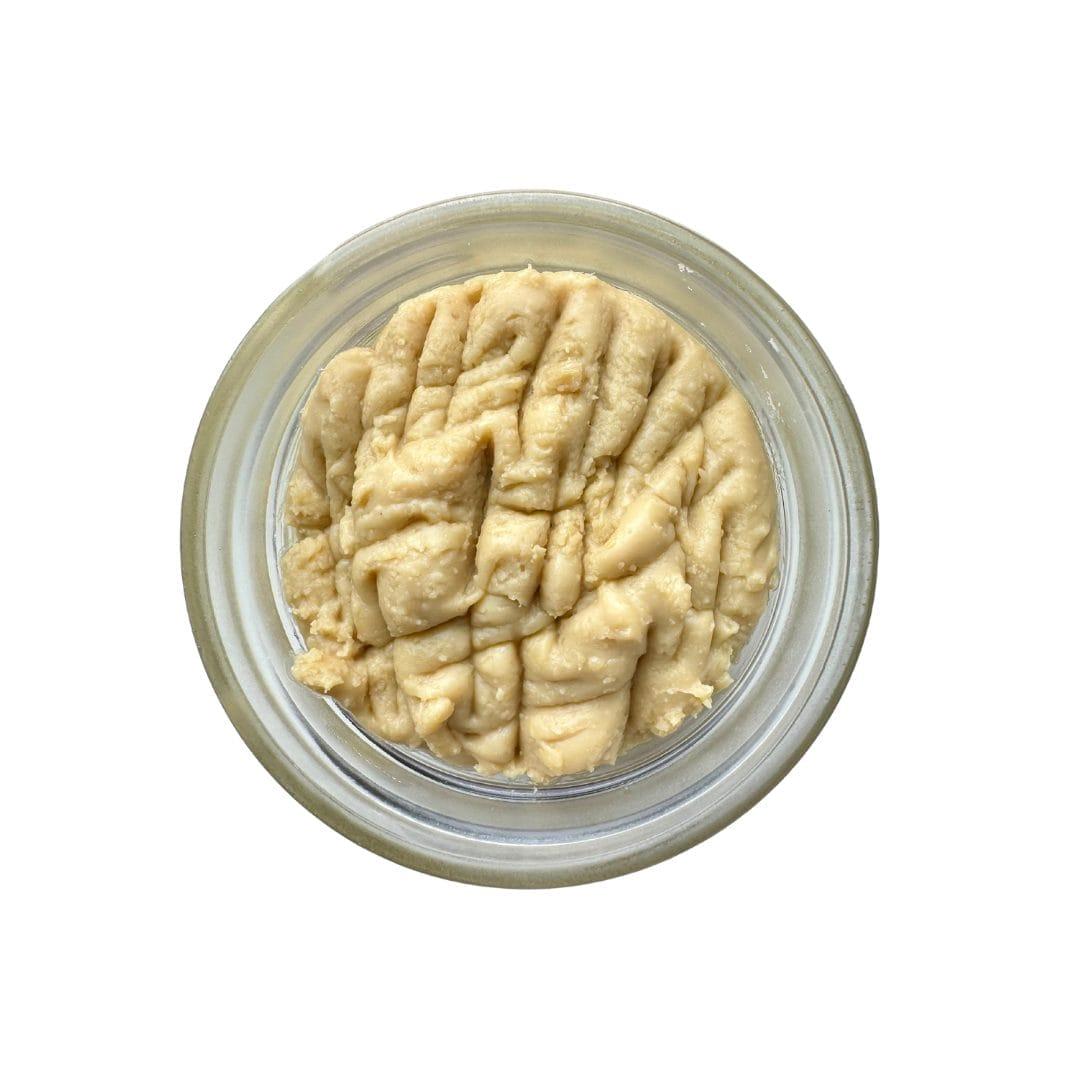
Like a once-swirling current that suddenly slows to a trickle, the THCA market is showing signs of retreat. after a period of rapid expansion and experimentation, sales volumes and overall market size have cooled, and prices are following suit – but not uniformly. Different product categories are bending under different pressures, creating a patchwork of winners and losers across flower, concentrates, vapes, edibles and tinctures.
This article takes a close look at how the slump in market size is translating into price movements by product type.Rather than treating THCA as a single commodity, we map the nuanced shifts: which forms are seeing steep markdowns, which are holding value, and how retail and wholesale dynamics, regulatory shifts and changing consumer preferences are influencing the trajectory. The aim is to seperate short-term volatility from structural change,offering a measured view of what these price declines mean for producers,retailers and consumers.
We’ll walk through sales and pricing trends, examine supply-chain and policy factors that have intensified pressure on specific categories, and highlight what to watch next as the market adjusts. The picture is not simply one of collapse or correction, but of an industry recalibrating to new realities – and the implications differ depending on the jar on the shelf.
Supply Chain and Regulatory Pressures Reshaping Wholesale and Retail Pricing
A cascade of logistics hiccups and shifting compliance costs has forced both brokers and storefronts to rethink how they price THCA products. What began as isolated shipping delays and lab backlogs has morphed into a systematic reallocation of cost burdens - from cultivators absorbing quarantine testing fees to dispensaries subsidizing promotions to move slow-turn inventory. The result is a much flatter price curve across product types: flower, concentrates, and infused goods all show downward pressure, but each for different operational reasons.
Retailers are pruning margins and getting creative with assortment to counteract shrinking wholesale prices. Retail-level strategies now often include bulk bundling, tiered loyalty discounts, and shorter promotional windows to preserve cash flow. Meanwhile, wholesalers are reacting to regulatory uncertainty by tightening credit terms and increasing minimum order sizes, which paradoxically can raise carrying costs for smaller retailers. Key friction points include:
- Testing & compliance: Increased lab mandates drive unpredictable hold times and added fees.
- Packaging & labeling: New requirements boost per-unit costs, especially for edibles and vape cartridges.
- Transport constraints: Carrier shortages and special handling for controlled products raise logistics premiums.
- Licensing limits: Market fragmentation forces uneven supply distribution, creating localized price volatility.
| Supply Pressure | Retail Impact | Typical Magnitude |
|---|---|---|
| Lab Delays | Stockouts → Flash sales | Moderate |
| Packaging Rules | Higher unit cost | Low-moderate |
| Transport Premiums | Fewer skus carried | Moderate-High |
The Conclusion
as the dust settles on another quarter of shifting figures, the THCA market’s recent contraction and the uneven price declines across product categories serve as a reminder that this sector is still finding its equilibrium. What began as a steady climb has given way to a recalibration driven by supply dynamics, consumer preferences, and regulatory headwinds – each product type reacting in its own tempo.For growers, processors and retailers, the immediate challenge is clear: adapt to thinner margins without sacrificing product integrity or alienating discerning buyers. For investors and analysts, the slump underscores the need to look beyond headline numbers and examine unit economics, inventory practices and regional demand trends. Consumers may benefit from short-term price relief,but long-term value will hinge on quality,openness and legal clarity.
Ultimately, markets evolve through moments like these – periods of contraction that force innovation, consolidation and new strategies. Observers shoudl expect continued volatility, but also opportunities for companies that can pivot quickly, manage risk and meet changing market signals with disciplined execution. The next chapter for THCA will be written by those who read the data clearly and act with both caution and creativity.
