


At the intersection of craft and commerce lies cold-cured THCa rosin – a concentrate that has quietly reshaped conversations about potency, purity and provenance in the legal cannabis market. Cold curing,a low-temperature maturation process,aims to preserve delicate cannabinoids and terpenes while stabilizing texture and clarity; THCa rosin produced this way often sells to consumers and processors who value a cleaner profile and predictable performance. As demand grows, the industry is navigating two opposing impulses: scale-driven bulk pricing and the immediacy of express small-batch runs.
This article examines that tension with an even hand. We’ll map how bulk purchasing strategies alter margins and supply-chain dynamics, why express small-batch offerings appeal to craft-focused buyers, and what both models mean for quality control, regulatory compliance and market positioning. Whether you’re a buyer weighing cost versus character or a producer choosing a business model, the goal here is to illuminate the tradeoffs and realities behind cold-cured THCa rosin in today’s market.
What Makes Cold Cured THCa Rosin Unique and How to Evaluate Quality
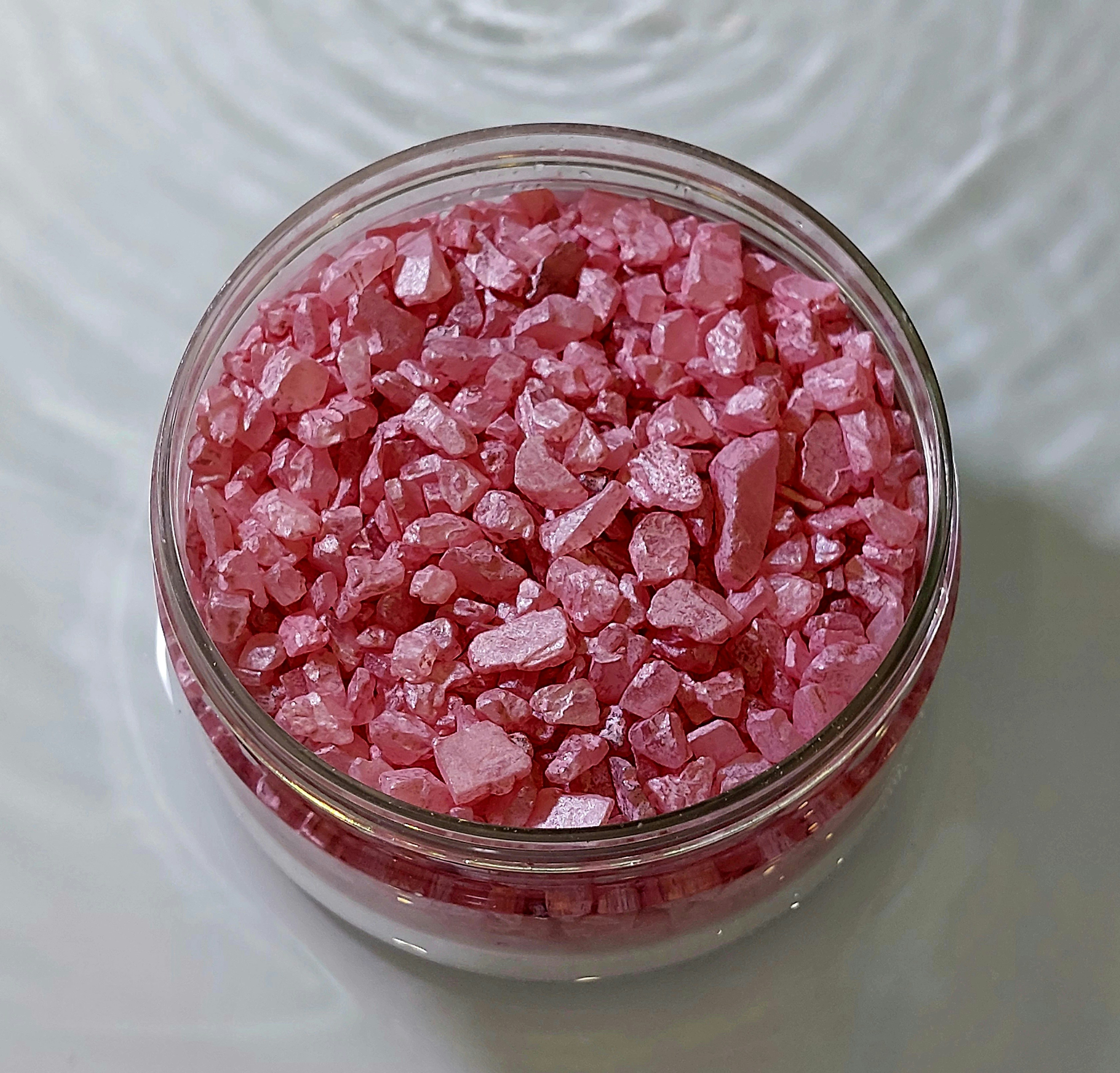
Cold-cured rosin stands apart as it reads like a snapshot of a single moment in a plant’s life-vivid terpenes, nuanced flavor layers, and a consistency that frequently enough feels intentional rather than engineered. The method emphasizes preservation: slower, gentler handling keeps delicate volatile compounds intact, so the final product can deliver strain-specific aromas and a texture that ranges from silky saps to soft, sugar-like crystals. In practice that means each jar can feel like an artisanal expression, where nuance and mouthfeel matter as much as potency.
When assessing a sample, trust your senses first and the paperwork second. Look for clarity of color (a natural range from golden to deep amber), brightness of aroma (fresh, vivid terpenes not muted or musty), and texture that matches the product description-creamy or crystalline, but never overly oily or grainy. Visual and olfactory cues often reveal whether rosin was handled with care or exposed to heat and oxygen that blunt its profile.
- Sensory check: aroma intensity and fidelity to the strain.
- Physical check: Consistency and how it responds to gentle handling.
- lab check: Verified THCa percentage, terpene profile, and absence of contaminants.
- Packaging: Airtight, UV-protective packaging and batch info for traceability.
| Indicator | What it suggests |
|---|---|
| Bright aroma | Fresh, well-preserved terpenes |
| Amber-to-golden color | Minimal oxidation, careful handling |
| Clean lab report | safe, well-characterized product |

selecting a Supplier Certifications To Check Shipping timelines and Sample Protocols to Request
When vetting a potential partner for cold-cured THCa rosin, prioritize lab and production credentials over marketing claims. Look for suppliers that can provide a current Certificate of Analysis (COA) from an ISO/IEC 17025-accredited lab, documented GMP practices, and proof of state or USDA compliance where applicable. Equally significant are traceability documents-batch IDs, harvest dates, and a clear chain-of-custody-so you can tie every sample back to a verified source.
Logistics are part science and part promise: ask suppliers to spell out their typical fulfillment windows and cold-chain safeguards. expect variations depending on destination and service level,and confirm if dry ice or phase-change chillers are used for express shipments. Below is a quick reference many buyers find useful when mapping lead times against product stability needs:
| Service | Typical Delivery | When to Use |
|---|---|---|
| Overnight Express | Next business day | Time-sensitive small-batch samples, preserve terpene profile |
| 2-Day Expedited | 2 business days | Balanced cost and freshness for regional shipments |
| Standard Ground | 3-7 business days | Non-urgent bulk replenishment (insulated packaging required) |
Define a simple, repeatable sample protocol before you pay. Ask for a representative sample from a single batch accompanied by a COA and chain-of-custody paperwork. request the following as a minimum:
- Sample size: enough to perform potency and terpene analysis (e.g., 5-10 g for rosin).
- Conditioning: storage temperature during transit, recommended handling on receipt.
- Testing endpoints: HPLC potency, terpene GC, pesticide panel, heavy metals, microbial/mycotoxin screen.
- Stability run: optional short-term stability (7-14 days) to see behavior under expected storage.
make your expectations explicit: request timestamps for order processing, packing photos for cold-chain verification, and an agreed-upon remedy if a sample fails post-shipment testing. For businesses focused on express small-batch runs, negotiate trial pricing tied to certification delivery and agreed shipping SLAs-this keeps the first orders low-risk while you verify quality and timelines in real conditions.

Practical Ordering Strategies For Mixing Bulk Inventory With Express Small Batch Production
Treat long-lead, cold-cured lots as the backbone of your catalog and keep nimble, small runs for seasonal drops and rush orders. Build a priority matrix that separates core SKUs (ordered in bulk for cost efficiency) from chance skus (produced express to test flavor profiles or limited editions). Use simple forecasting-three-month rolling averages for cores, and a shorter 2-4 week window for express-to reduce overstock without starving fast-moving items.
Create trigger points that automate when to top up bulk stock and when to kick off an express run.A practical playbook includes:
- Core inventory targets - maintain 8-12 weeks of supply for best-sellers.
- Express buffer – keep 1-2 weeks of finished small-batch product ready for rush fulfillment.
- Minimum run thresholds – set the smallest viable express batch to avoid cost cannibalization.
- Shelf-life checkpoints – schedule quality checks before blending fresh express with older bulk lots.
Pricing negotiations and order cadence should reflect mixed production realities. Commit to quarterly bulk buys to lock in lower per-gram prices, but build clauses for split shipments and priority lead times on express runs. The table below illustrates a simple hybrid ordering plan that balances savings with speed:
| Product | Bulk qty | Express Qty | Lead Time | Est. Unit price |
|---|---|---|---|---|
| Signature Rosin | 10 kg | 500 g | 6-8 wks | $45/g |
| Seasonal Strain | 2 kg | 200 g | 4-6 wks | $65/g |
| test Batch | 500 g | 50 g | 1-2 wks | $85/g |
Operationally,keep visibility tight: tag POs by channel,use batch tracking in your ERP,and schedule recurring syncs with co-packers. Small procedural habits-like reserving a weekly express-slot on the production calendar and flagging lots that require longer cold cure-will reduce friction. In short, combine disciplined bulk buys with intentionally planned express runs to keep costs down while staying responsive to demand.
Final Thoughts
As the curtain falls on our look at cold-cured THCa rosin, the choice between bulk pricing and express small-batch comes into sharper relief: one is economy and consistency, the other precision and immediacy. Cold-curing can preserve delicate terpene and cannabinoid profiles, but how you source and scale that process will ultimately shape the product’s character and cost.For buyers and makers alike, the decision is less about which path is objectively superior and more about which fits your priorities – volume and predictable margins, or nimble runs and artisanal control. Pair clear quality metrics and transparent sourcing with realistic timelines, and you’ll find the sweet spot where value and craft meet.
Whether you’re stocking shelves or refining a signature run, let practical needs, regulatory considerations, and sensory testing guide your choice.In a rapidly evolving market, informed experimentation and careful partnerships will keep you moving forward with clarity and confidence.

