


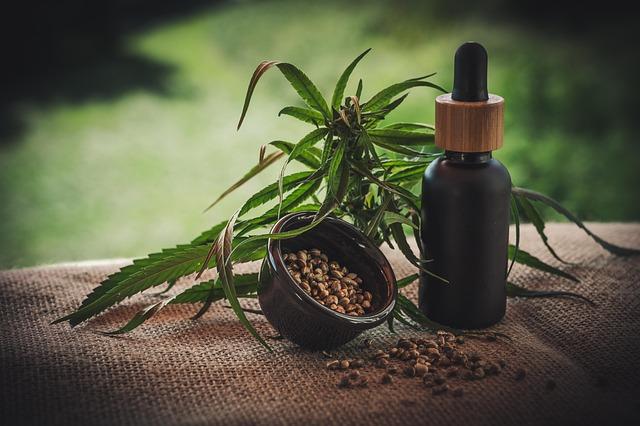
At the intersection of botanical chemistry and modern wellness trends sits THCa, a lesser-known cannabinoid that has quietly moved from laboratory notebooks into health-conscious conversations. Found in raw hemp,THCa is the acidic precursor to the familiar psychoactive compound THC,and it has attracted attention for claimed anti-inflammatory,neuroprotective,and anti-nausea properties-claims that are compelling,if not yet conclusively proven. As interest grows, so do questions about safety, side effects, legal status, and how reliably products deliver what they promise. This article aims to weigh the current evidence and regulatory landscape, clarify what we actually no about hemp-derived THCa, and offer a balanced look at potential benefits and risks for those considering it as part of a wellness regimen.
Wellness Benefits Supported by Evidence and Areas That Need More Research
A growing body of laboratory and animal research points to several promising effects of THCa, but the human data remain sparse. Preclinical studies most consistently show anti-inflammatory and neuroprotective activity, often attributed to THCa’s interaction with inflammatory signaling pathways rather than the cannabinoid receptors that drive THC’s psychoactivity. Early reports and small observational human studies also suggest potential for reducing nausea and modulating appetite, yet these findings are preliminary and not definitive for clinical use.
What looks well-supported at a mechanistic level does not always translate directly into reliable clinical outcomes.Short list of applications with varying levels of human evidence:
- Inflammation and pain – strong preclinical signal, limited controlled human trials.
- Neuroprotection – compelling animal data; human studies virtually absent.
- Antiemetic (nausea relief) – anecdotal and small-scale reports; larger randomized studies needed.
- Appetite modulation – plausible effect, inconsistent human evidence.
| Benefit | Evidence Level | Practical Note |
|---|---|---|
| Anti-inflammatory | Preclinical + some human data | Promising but not yet standard therapy |
| Neuroprotective | Preclinical only | Needs human trials |
| Nausea control | Limited human evidence | May help some users; inconsistent |
Key gaps remain: standardized dosing, long-term safety, pharmacokinetic profiles in humans, and thorough interaction studies with common medications. Researchers also need to compare whole-plant THCa preparations versus isolated compounds and to study effects in older adults,children,pregnant people,and those with chronic illnesses. Until larger randomized controlled trials are available, consumers should approach THCa with caution-be mindful of product quality, potential contaminants, and the possibility of drug interactions-and consult a healthcare professional when using it alongside other treatments.
Recognizing Side Effects, Drug Interactions, and Who should Avoid THCa
Even though many users report gentle, non-intoxicating effects from hemp-derived THCa, it’s not entirely free of downsides. Side effects are frequently enough dose-dependent and can be amplified if THCa is heated (which converts it to psychoactive THC). Expect variability – what feels soothing to one person may be disorienting to another – especially for newcomers or those sensitive to cannabinoids.
Common reactions to watch for include:
- Dizziness or lightheadedness shortly after use.
- Dry mouth and transient changes in appetite.
- Fatigue or mild sedation at higher doses.
- Anxiety or mood shifts in susceptible individuals, particularly if THCa converts to THC.
- Headache or gastrointestinal upset in rare cases.
Interactions can be unpredictable. Cannabinoids can influence liver enzymes (notably CYP450 pathways), so THCa may alter the metabolism of drugs like blood thinners, certain antidepressants, and sedatives. Avoid combining THCa with alcohol, benzodiazepines, or other central nervous system depressants. People who should generally steer clear include:
- Pregnant or breastfeeding individuals.
- Children and adolescents.
- Patients on anticoagulants (e.g., warfarin) or drugs with narrow therapeutic windows.
- Those with uncontrolled heart disease or a history of psychosis.
- Anyone taking multiple medications without medical supervision.
| Risk Level | Who it Affects | suggested Action |
|---|---|---|
| Low | Healthy adults, occasional use | Start low, monitor response |
| Moderate | Polypharmacy, older adults | Consult prescriber; avoid mixing CNS depressants |
| High | Pregnant, breastfeeding, severe cardiac or psychiatric history | Avoid use until cleared by a clinician |
Final note: as research on THCa interactions is still emerging, err on the side of caution – discuss any use with your healthcare provider and consider low-dose testing under supervision to assess tolerance and potential drug interactions.

Practical Dosing Recommendations Based on Route of Administration and Goals
Start low and go slow is the single best rule when experimenting with hemp-derived THCa.Remember that THCa itself is non-decaboxylated and generally non-intoxicating at room temperature,but heating converts THCa to THC,which can produce psychoactive effects. Your choice of route-oral, sublingual, inhalation, or topical-will determine onset time, intensity, and whether you risk experiencing psychoactivity. Think of the route as the dial: some deliver fast, short-lived results; others build more slowly and last longer.
Practical starting points vary by goal. For gentle daily wellness or microdosing for mood/clarity, aim low; for sleep or stronger symptomatic relief, aim higher but increase slowly. Typical starting suggestions (approximate):
- Oral (capsules/edibles): start with 2-5 mg THCa equivalent; wait 90-180 minutes before redosing.
- Sublingual/tincture (no heat): start with 1-3 mg; onset 15-60 minutes.
- inhalation (vape/smoke – will decarboxylate): microdose 0.5-2 mg THC-equivalent to assess psychoactive sensitivity; onset within minutes.
- Topical (creams/balms): apply 5-20 mg per area as needed for localized effects; minimal systemic exposure.
| Route | Onset | Starter Dose | Typical Goal |
|---|---|---|---|
| Sublingual | 15-60 min | 1-3 mg | Daily calm or focus |
| Oral | 60-180 min | 2-5 mg | sleep or extended relief |
| Inhalation | Minutes | 0.5-2 mg (THC-eq) | Rapid symptom relief; avoid if avoiding intoxication |
When titrating, follow simple steps: wait the full onset window before increasing, keep a small journal of dose and effect, and limit changes to one variable at a time. Avoid combining with alcohol or sedatives until you know your response.If you have health conditions or take medications, consult a healthcare provider-these recommendations are practical starting points, not medical directives. Above all, prioritize safety and personal sensitivity over chasing higher doses.
To Wrap it Up
As interest in hemp-derived THCa grows, so does the need for clear-eyed thinking.early reports and emerging studies hint at potential wellness uses, but the evidence remains incomplete; what looks promising in the lab or anecdotally is not yet a sure thing for everyone.Simultaneously occurring, side effects, product variability, and interactions with other medications are real considerations that can tip the balance.
If you’re curious, treat THCa like any new health tool: look for third‑party testing and transparent labeling, start with a low dose, track your response, and discuss it with a healthcare professional-especially if you’re taking other medications or have underlying conditions. Remember that laws and product standards differ by place, and research is still catching up to consumer interest.
weighing hemp THCa isn’t about chasing a single promise of relief or fearing every possible risk. It’s about gathering the best available data, listening to your body, and making a measured choice that fits your needs and values. As the science evolves, so should our questions-curious, cautious, and clear-eyed.

