


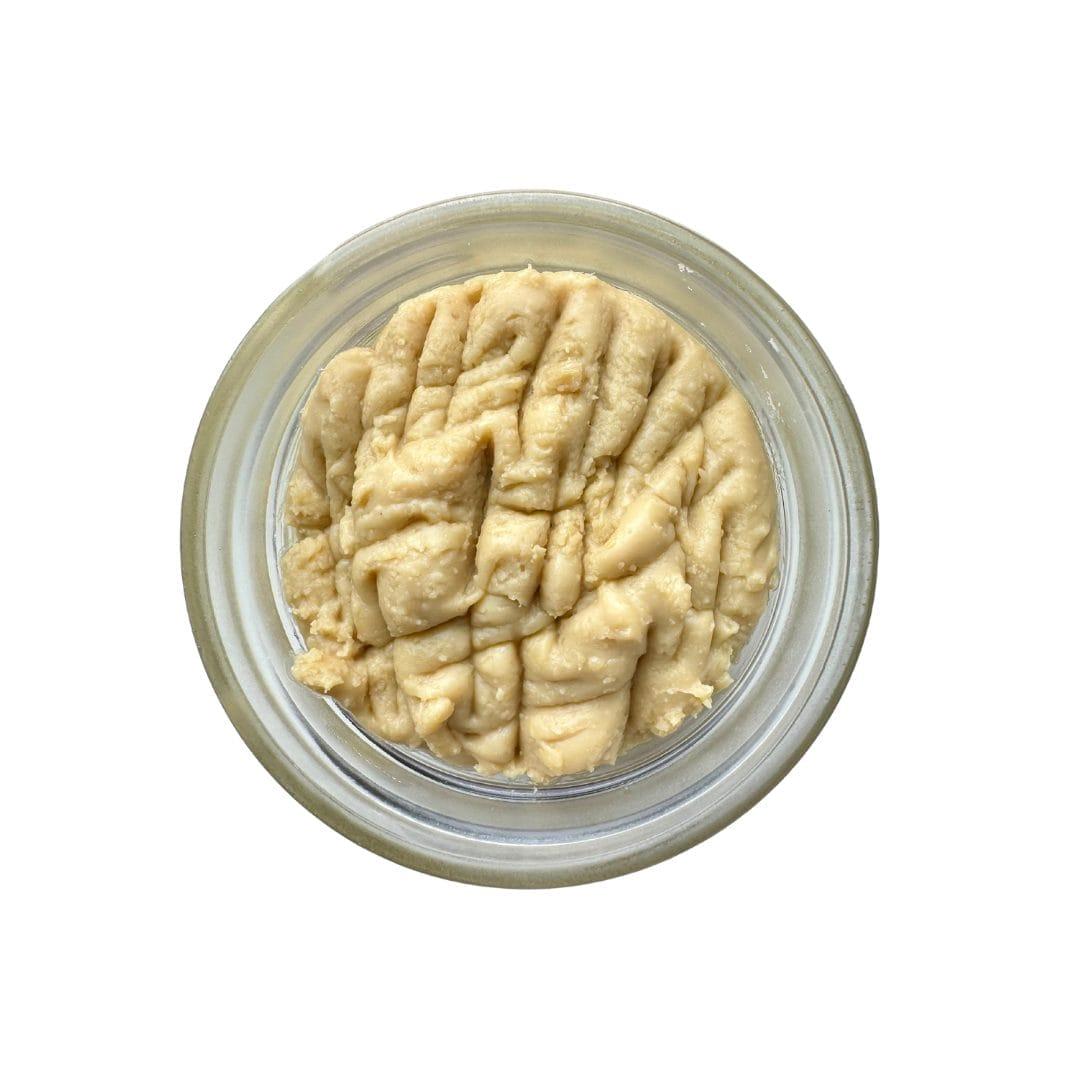
Like any emerging commodity, THCA moves through markets with the subtlety of a tide-pushed by seasons, regulation, and the shifting tastes of consumers. “Mapping THCA Wholesale Prices and Consumer Trends” takes a compass to that tide, translating raw price points and sales patterns into a navigable landscape for producers, processors, and retailers.This introduction frames the terrain: where supply concentrates, how quality and extraction methods shape valuation, and wich market forces create pockets of premium or discount.
The article pairs geographic price mapping with trend analysis to reveal the contours of demand. We examine regional price spreads, wholesale lot types and grading, and the rhythms of harvest and production that cause short-term volatility. At the same time, we trace consumer preferences-format, potency, and price sensitivity-showing how shifts at the retail level reverberate back through the supply chain to influence wholesale pricing.
Readers will find both a data-driven atlas and a practical lens: actionable insights for forecasting,sourcing,and product advancement without making predictions that ignore regulatory and market complexity. Whether you’re a cultivator refining crop strategy, a buyer evaluating suppliers, or an analyst tracking market maturation, this article maps the variables that matter when following THCA from field to shelf.
Mapping Regional THCA Wholesale Prices and supply Chain Drivers
Wholesale THCA moves across a patchwork of markets, and a visual map of price pockets often reveals more than raw numbers. In some corridors,proximity to large extraction hubs depresses per-kilo rates,while remote regions with high compliance costs push prices upward. price gradients are rarely linear – they flicker with local licensing regimes, seasonal harvest cycles, and the reach of cold-chain logistics networks.
Key supply-chain drivers:
- cultivation density and harvest timing (surplus vs. scarcity effects)
- Regulatory and testing costs (varying by state and municipality)
- Transportation and cold-chain access (affects freshness and yield)
- Consolidation of processors and extractors (volume discounts, contract leverage)
Mapping thes drivers against wholesale prices creates a strategic lens for buyers and sellers alike. Buyers can identify arbitrage opportunities or anticipate pipeline risks; sellers can prioritize processing investments where margins are compressing. On the consumer side, regional supply dynamics subtly inform product portfolios – concentrated supply often leads to more standardized, lower-priced formulations, while fragmented markets sustain a diversity of niche offerings.
| Region | Avg. Wholesale ($/kg) | Dominant Driver |
|---|---|---|
| Pacific Northwest | $1,400 | High cultivation density |
| Midwest | $1,100 | Low transport costs, large farms |
| Southeast | $1,900 | Regulatory fees & testing delays |
| Northeast | $1,700 | High demand, limited processing capacity |
Consumer Demand Profiles, Product Use Cases and Price Sensitivity Analysis
Distinct demand clusters emerge when you slice the market by frequency and intent: Occasionals sample lower-dose offerings and seasonal flavors, Medical buyers prioritize stability and lab-verified potency, Connoisseurs chase rare cultivars and terpene profiles, and Value-Seekers hunt volume deals. Each cluster maps neatly to different product use cases – micro-dosed vape cartridges for daytime focus, high-potency flower for evening relaxation, and discreet edibles for on-the-go relief – which informs assortment decisions at the wholesale level.
Price sensitivity falls along predictable lines but with interesting crossovers. Connoisseurs tolerate premium pricing for unique genetics, while Value-Seekers switch brands quickly if unit price rises even modestly. Medical purchasers are less price elastic when reliability is proven.Use cases translate into tolerance: therapeutic use shows lower elasticity than casual or experimental use.Below are typical elasticity indicators and purchase cadence for swift reference:
- Occasionals: high elasticity, monthly purchases
- Medical: low elasticity, weekly to biweekly purchases
- Connoisseurs: medium elasticity, irregular but higher basket value
- Value-Seekers: very high elasticity, frequent turnover
| Segment | Typical Wholesale price Range | Sensitivity | Purchase Frequency |
|---|---|---|---|
| Occasionals | $60-$120 / lb | High | monthly |
| Medical | $90-$180 / lb | Low | Weekly |
| Connoisseurs | $150-$350 / lb | Medium | Irregular |
| Value-Seekers | $40-$80 / lb | very High | Frequent |
Practical takeaways for wholesalers: pair tiered pricing with targeted packaging and education, offer small-format samples for revelation, and protect margin on premium lines while deploying aggressive volume discounts for the price-sensitive segment. Small shifts in price or packaging can re-route buyers between clusters, so monitor conversion by SKU and experiment with limited-run use-case bundles to test elasticity in real time.
Regulatory Shifts, Quality Standards and Their Cost Implications for Pricing
As policy landscapes shift from token allowances to rigorous oversight, cultivators and distributors find themselves balancing compliance with competitiveness. New mandatory frameworks around potency reporting, sanitation, and facility certifications introduce predictable paperwork-and unpredictable costs. Where regulation was once patchwork, many markets are moving toward harmonized expectations that force operators to internalize compliance as an operational line item rather than an afterthought.
Quality assurance now extends beyond smell and appearance; it includes third-party testing, chain-of-custody systems, and standardized labeling that educate buyers and reduce downstream liability. These measures raise unit costs,especially for small-batch producers who lack scale. Common cost drivers include:
- Expanded laboratory testing panels (microbes, solvents, cannabinoid potency)
- Tamper-evident and compliant packaging and labeling
- Licensing, inspection fees and administrative compliance
- Enhanced security, transport protocols and product traceability
- Waste handling and environmental remediation requirements
| Cost Driver | Estimated Impact on Wholesale Price |
|---|---|
| Laboratory testing | +3-6% |
| Packaging & labeling | +2-4% |
| Licensing & compliance | +1-5% |
| Security & transport | +1-3% |
| Waste management | +0.5-2% |
Producers and retailers adapt by treating compliance as a market signal-leveraging certified quality to justify premiums and build consumer trust. Practical responses include automation to trim per-unit compliance costs, vertical integration to internalize testing and security, and collaborative lab partnerships to share overhead. Above all, obvious pricing that explains quality-driven cost recovery can turn regulatory pressure into a differentiator rather than just a margin squeeze.
In Retrospect
Charts and heat maps don’t eliminate uncertainty, but they do make it easier to see where it lives. By tracing THCA wholesale prices alongside shifting consumer preferences, we reveal patterns – regional pockets of premium demand, corridors of low-cost supply, and the seasonal ripples that nudge margins and product mixes.Those patterns are not static; they evolve as regulation, cultivation techniques, and consumer tastes change.
For producers, retailers and analysts, the practical takeaway is simple: treat the map as a living tool. Combine price surfaces with granular data on product form, potency, and demographics, and update models frequently to account for volatility and policy shifts. For policymakers and public health stakeholders, these visualizations can spotlight access inequities and inform measured interventions without relying on anecdote.
Ultimately, mapping is about asking better questions as much as it is about answering existing ones. The insights here should prompt deeper exploration, targeted data collection, and cross-sector dialog so that decisions are grounded in clarity rather than conjecture.
The market’s contours will keep shifting – and with each new dataset, the map grows more useful. Stay curious, stay critical, and let the maps guide the next steps.
