


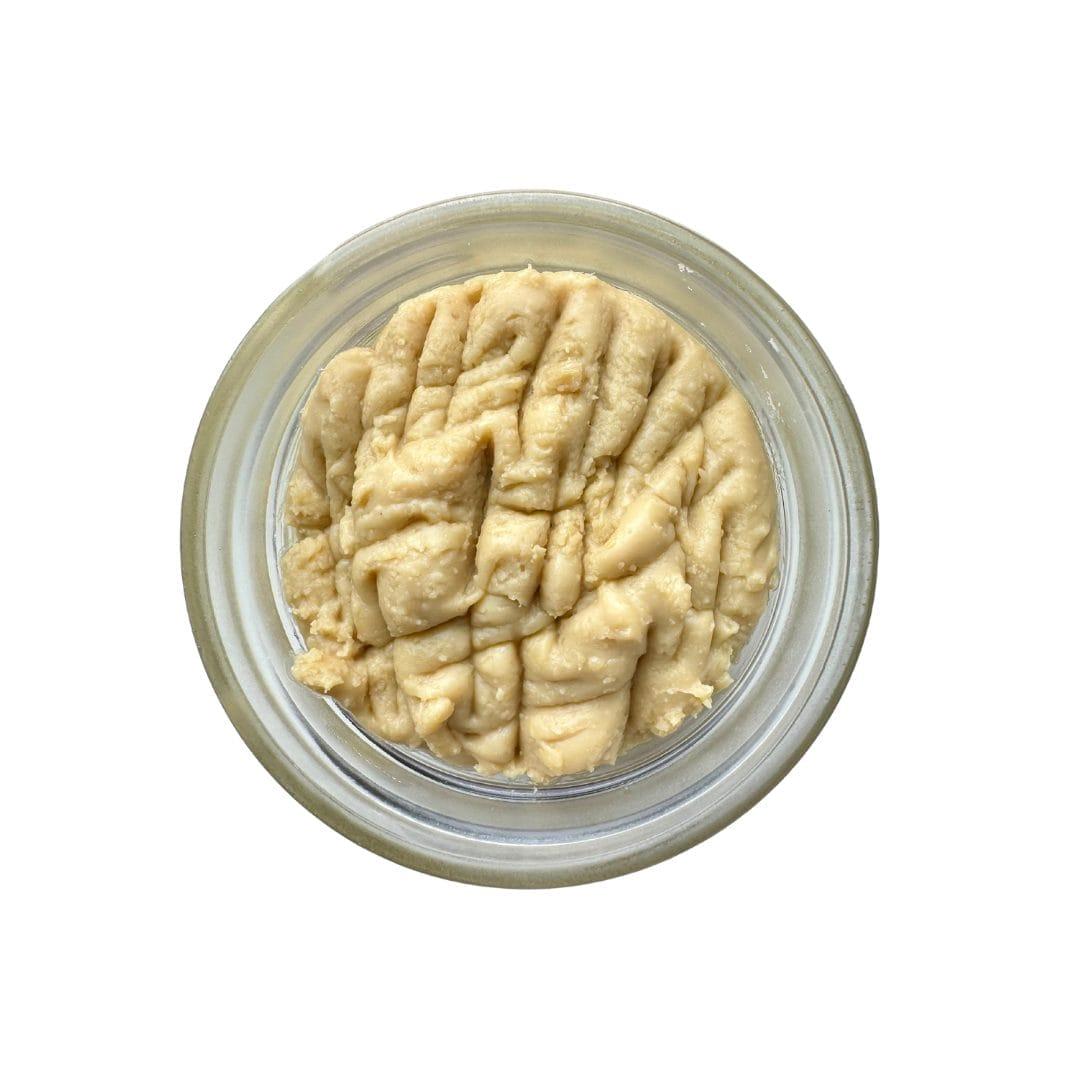
Think of the THCA market as a sprawling map of neighborhoods: some streets are lined with glossy storefronts and recognizable logos, others with small-batch artisans whose names only insiders know. Per-pound pricing-once a dry unit in trade journals-has become a shorthand for how brands signal quality, scale, and trustworthiness. This article navigates that map, unpacking the numbers behind the labels to show not just what brands charge, but why those prices differ.
Price alone rarely tells the whole story. Variations in per-pound THCA cost reflect a web of factors: sourcing and cultivation practices, extraction and refinement techniques, third-party testing and compliance, packaging and handling, and the overheads tied to brand positioning. By looking brand-by-brand, we can separate premium signals from marketing noise and see where wasted costs or genuine value lie.
In the sections that follow,you’ll find a methodical comparison of leading brands’ per-pound THCA pricing,contextual analysis of market drivers,and pointers for interpreting lab results and product specs. Whether you’re an industry buyer, a curious observer, or a professional trying to benchmark costs, this guide aims to make sense of the numbers with clarity and neutrality-letting the prices speak for themselves.
Buying Strategies and Vendor Selection Recommendations for Cost and Quality
When chasing the sweet spot between cost and quality, think like a buyer and an investigator at once. buy small, verified lots first to validate a vendor’s claims and lab results before committing to per-pound volumes. Prioritize vendors that provide current,batch-specific Certificates of Analysis (COAs) and traceability information-these will reduce risk even if the price per pound is slightly higher. Remember: an attractive sticker price matters far less if you’re left with impurities, inconsistent potency, or costly returns.
Look for these practical vendor attributes when shortlisting suppliers:
- Transparent COAs: Batch-linked, third-party testing that matches labeling.
- Consistent lead times: Predictability beats occasional deep discounts.
- Minimum order flexibility: Options to scale up or down as you test market demand.
- Quality-management practices: GMP, ISO, or documented SOPs for extraction and handling.
- Responsive support: Clear warranty, return policy, and technical assistance.
These checkpoints will help you separate commodity pricing from real value.
| Vendor Type | Typical $/lb (THCA) | Quality Profile |
|---|---|---|
| Wholesale Aggregator | $6,000-$8,500 | Variable; check COAs |
| Established Brand | $8,000-$11,000 | High consistency, full traceability |
| Craft Grower / Extractor | $10,000-$14,000+ | Premium purity, smaller lots |
use this as a quick mental map: lower price bands need tighter due diligence; premium bands often buy peace of mind.
Negotiate with data,not emotion: bring COA comparisons,multi‑quarter demand forecasts,and clear quality acceptance criteria to conversations. stagger purchases across at least two vetted suppliers to hedge supply chain shocks and price swings. maintain a short internal checklist for every new vendor:
- Initial sample test passed
- COA verified and stored
- Payment and logistics terms agreed
- Re-evaluation scheduled after first full pallet
This disciplined approach preserves margin while protecting product integrity as you scale per-pound buys.
Negotiation Tactics and Contract Tips for Bulk THCA Purchases
When you step into the world of per-pound THCA buying, think like a commodities trader and a brand curator at once. Start by anchoring negotiations to transparent benchmarks: published per-pound rates,lab-tested potency levels,and seasonal yield trends. Use these data points as your opening gambit-asking for a split on pricing if potency exceeds the batch average, or requesting tiered discounts for volume thresholds. Keep language in offers crisp and outcome-focused; phrases like “price per pound tied to 90%+ THCA by GC” or “60/120/240 lb pricing tiers” make expectations measurable and enforceable.
Contracts should be modular and readable. Nail down delivery windows, sampling and autonomous lab testing rights, and a clear rejection/return policy tied to assay results. include a mutually agreed dispute-resolution mechanism-mediation before arbitration saves time and keeps relationships intact. Also consider including a short force majeure clause that specifies biological or agricultural disruptions differently from logistics failures, because the two have very different remedies and timelines.
Use negotiation tactics that minimize friction and maximize clarity. Some effective moves:
- Bundle leverage – Offer multi-brand or multi-batch commitments in exchange for deeper per-pound discounts.
- Escalation matrix – Define who negotiates price adjustments at each volume step to avoid miscommunication.
- Sample-first clause - Require pre-shipment representative samples with agreed sampling protocol.
- Performance credits - Instead of full refunds, negotiate credits for underperforming lots to preserve supplier relationships.
Below is a short contract checklist to keep at hand during talks. Use it as a living document-update it after every negotiation to sharpen your leverage for the next round.
| Clause | Why it matters | Sample term |
|---|---|---|
| Pricing & Tiers | Aligns cost with volume and potency | “$X/lb at 1-49 lb; $X-10% at 50-199 lb” |
| Testing & rejection | Protects quality and compliance | “Independent lab within 72 hrs; rejection if <90% THCA" |
| Delivery Window | Manages inventory and cashflow | “Ship within 21 days of PO; late fee applies” |
| Dispute Resolution | Preserves business continuity | “Mediation within 30 days, then arbitration” |
Future Outlook
Charts and line items aside, the per-pound THCA landscape is less a fixed ledger and more a shifting topography – peaks carved by brand reputation, valleys shaped by production choices, and plateaus where regulation and demand meet. This article mapped those contours brand by brand so you can see not just price points, but the trade-offs underneath them: quality control, sourcing, testing, and the business models that drive sticker prices.
Use these insights as a compass, not a decree. Compare apples to apples by verifying lab results, factoring in shipping and handling, and weighing long-term consistency against short-term savings.Remember that today’s “market rate” is a snapshot; new cultivars,regulatory changes,and economies of scale will redraw the map before long.
Whether you’re sourcing for product development, research, or resale, informed choices come from looking beyond the per‑pound figure. Keep tracking the data, ask the right questions, and let price be one of several signals guiding your next move.
