


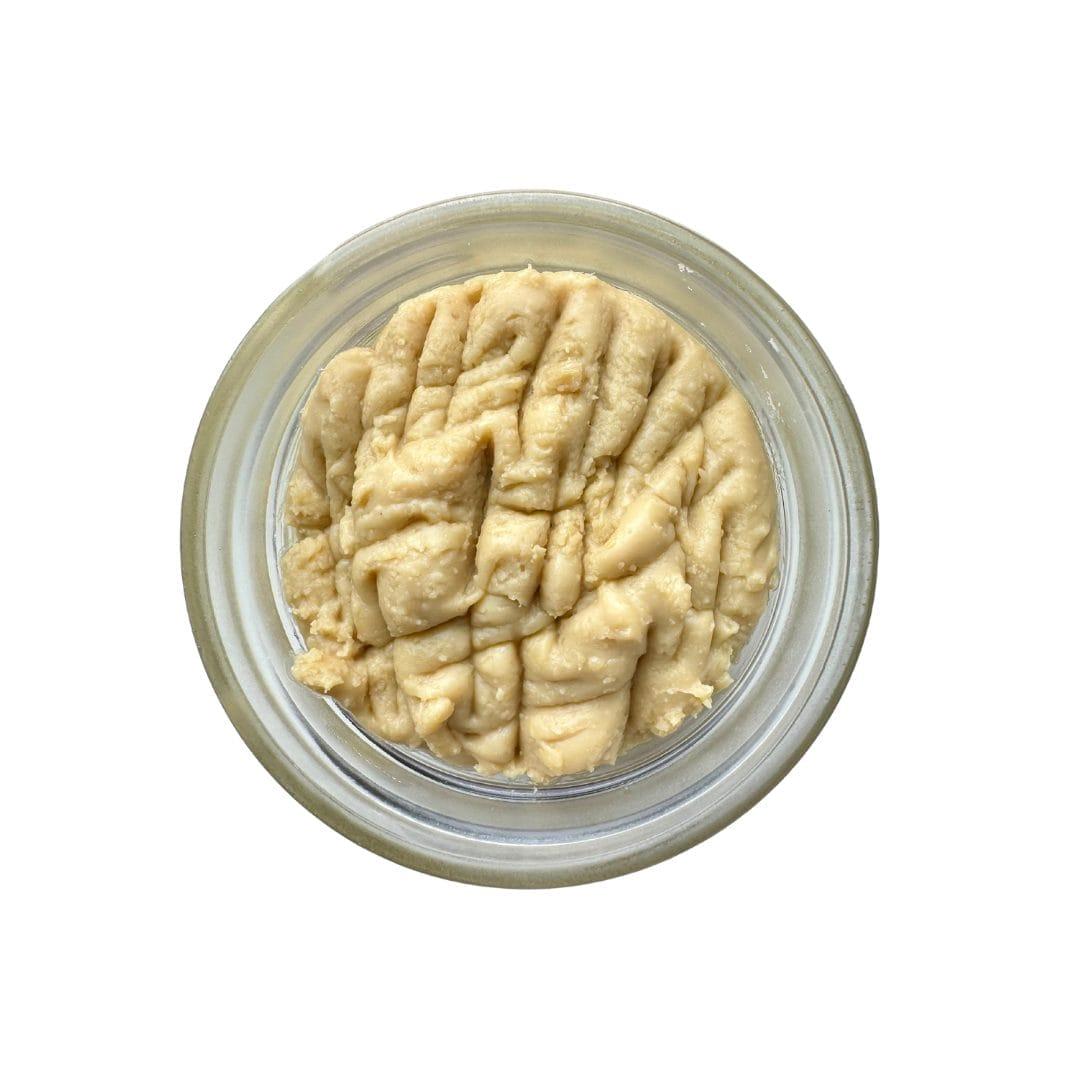
Like a slow-burning filament beneath a familiar bulb, THCA has steadily illuminated a new corner of teh U.S. cannabinoid market-quietly reshaping product lines, retail strategies, and consumer conversations. Once relegated to the chemical notebooks of botanists and the margins of hemp research, tetrahydrocannabinolic acid (THCA) has moved into a more visible role as innovators and regulators alike parse its legal status, extraction methods, and commercial potential.
this article maps the market’s journey: from early emergence and fragmented regional demand to the more structured, data-driven marketplace that is taking shape today. We trace past values, examine the turning points that accelerated growth-policy shifts, advances in processing, and changing consumer preferences-and identify the current trends shaping product formats, distribution channels, and pricing.Rather than prescribing outcomes, the analysis lays out evidence and patterns so readers can understand how past dynamics inform present scale and where future possibility may lie.
Whether you’re a market analyst, a product developer, or simply curious about the forces behind this niche cannabinoid’s rise, the following sections provide a clear view of THCA in the United States: its measurable market size, the trends that have driven change, and the indicators to watch as the landscape continues to evolve.
THCA Market Historical Trajectory and Key Value Drivers in the USA
Across the last decade the THCA scene in the United States shifted from underground curiosity to a visible segment of the legal-cannabis economy.Early years were marked by boutique growers and limited lab access, which kept product types narrow and prices high. As laboratories multiplied and extraction techniques matured,THCA became a material that manufacturers could handle predictably – unlocking new textures (crystalline isolates,fresh-frozen extracts) and presentation formats that appealed to both craft connoisseurs and mainstream shoppers.
Several market forces have consistently shaped value and adoption. Key drivers include:
- Product innovation – novel formats and purity levels that can command premium pricing.
- Distribution evolution – expansion from specialty shops to dispensaries and regulated e‑commerce.
- Supply sophistication – improved cultivation, cold-chain handling, and extraction scale reduce unit costs.
- Brand trust – third‑party testing and consistent dosing that build consumer confidence.
Regulatory nuance and market cycles have nudged values up and down.The table below sketches key inflection points and the market signals thay produced:
| Period | Market Signal | Short Impact |
|---|---|---|
| 2012-2016 | Localized legalization & boutique supply | High prices, artisanal positioning |
| 2018-2021 | Extraction advances & product diversification | Rapid SKU growth, investor interest |
| 2022-2025 | Commercial scaling & compliance focus | Price compression, quality standardization |
Looking ahead, the most potent value levers will be traceability, intellectual property around extraction and formulation, and channel partnerships that reduce time-to-shelf. Companies that pair robust lab transparency with compelling branding and efficient supply chains are best positioned to capture the premium end of the THCA market as it continues to move from niche to mainstream.
Regulatory Shifts,Testing Standards and Compliance impacts on Market Dynamics
Shifts in the legal and administrative environment have acted like tectonic plates beneath the THCA market,carving new channels for capital,product innovation and supply. Federal ambiguity combined with a patchwork of state rules means producers and retailers routinely re-evaluate where to deploy resources – some states tighten oversight and raise entry costs,while others incentivize scaled operations thru clearer licensing frameworks. The resulting unevenness is visible in historic pricing curves: regions with predictable regulation tend to show steadier growth and lower discounting,while uncertain jurisdictions display sharper volatility.
Laboratory standards and testing protocols have become a primary instrument of market trust. As third-party labs adopt more rigorous accreditation, product labels gain credibility and premium segments form around verified potency and safety claims. Below is a concise snapshot of commonly encountered testing categories and their immediate market effects:
| Testing Standard | Primary Market Impact |
|---|---|
| Potency & Cannabinoid Profiling | Accurate labels → higher consumer confidence |
| Pesticide & Residual Solvent Panels | Safety compliance → fewer recalls, higher costs |
| THCA Isomerization Checks | Legal compliance → reduced enforcement risk |
| Chain-of-Custody Documentation | Traceability → easier interstate licensing |
Several practical market dynamics emerge from these pressures:
- Increased compliance costs compress margins for smaller operators and favor vertically integrated firms.
- Barrier-to-entry effects reduce speculative entrants,concentrating supply among licensed,well-capitalized players.
- Product differentiation shifts from simple potency claims to verified safety and provenance, creating a quality premium.
- Cross-state friction sustains regional pricing disparities and complicates national forecasting.
These forces collectively nudge the market toward consolidation and normalized pricing in jurisdictions where enforcement and testing standards are harmonized.
The Way Forward
As the numbers settle and the charts flatten into place, the story of the THCA market in the USA reads like a landscape carved by shifting regulations, consumer tastes, and evolving supply chains. From modest historical footholds to clearer signs of expansion and specialization, the market’s past provides a map of how product innovation, regional policy, and investor interest have reshaped demand.
Looking ahead, the terrain remains dynamic: new research, regulatory decisions, and competitive consolidation will redraw boundaries and open fresh opportunities – or risks – for manufacturers, retailers, and regulators alike. For anyone tracking this sector, the best posture is one of attentive curiosity: follow the data, watch policy developments, and remain adaptable as the market matures.
In short, the THCA market’s history offers both lessons and loose threads. How those threads are woven into tomorrow’s patterns will determine whether the market tightens into a stable fabric or continues to fray and reform in response to the forces that built it.
