



The marketplace for thca in 2025 feels less like a novelty and more like a shifting coastline-familiar shapes, new tides. For smoke shop owners and buyers, wholesale pricing has become a strategic concern: margins hinge on product form and quality, regional legal nuance shapes sourcing options, and supply-chain disruptions can ripple through cost structures overnight. This guide aims to be a practical map through that shifting terrain.
Inside you’ll find a clear-eyed overview of the forces that set wholesale THCa prices-crop yields and extraction costs, lab testing and compliance, packaging and branding, minimum order quantities, and the interplay between retail demand and bulk discounts.We’ll outline typical product categories (flower, concentrates, distillates, cartridges, and prefilled devices), explain how certifications and certificates of analysis influence price, and summarize regional and regulatory differences that matter to smoke shops.This is not market prophecy. Instead,think of the guide as a toolkit: benchmarking ranges and negotiation tactics you can adapt to your shop size,customer base,and risk tolerance; checklists for vetting suppliers; and practical tips for inventory planning to protect margins. Wherever you sit in the supply chain-owner, buyer, or manager-these pages are designed to help you make informed, compliant purchasing choices in 2025’s evolving THCa wholesale market.
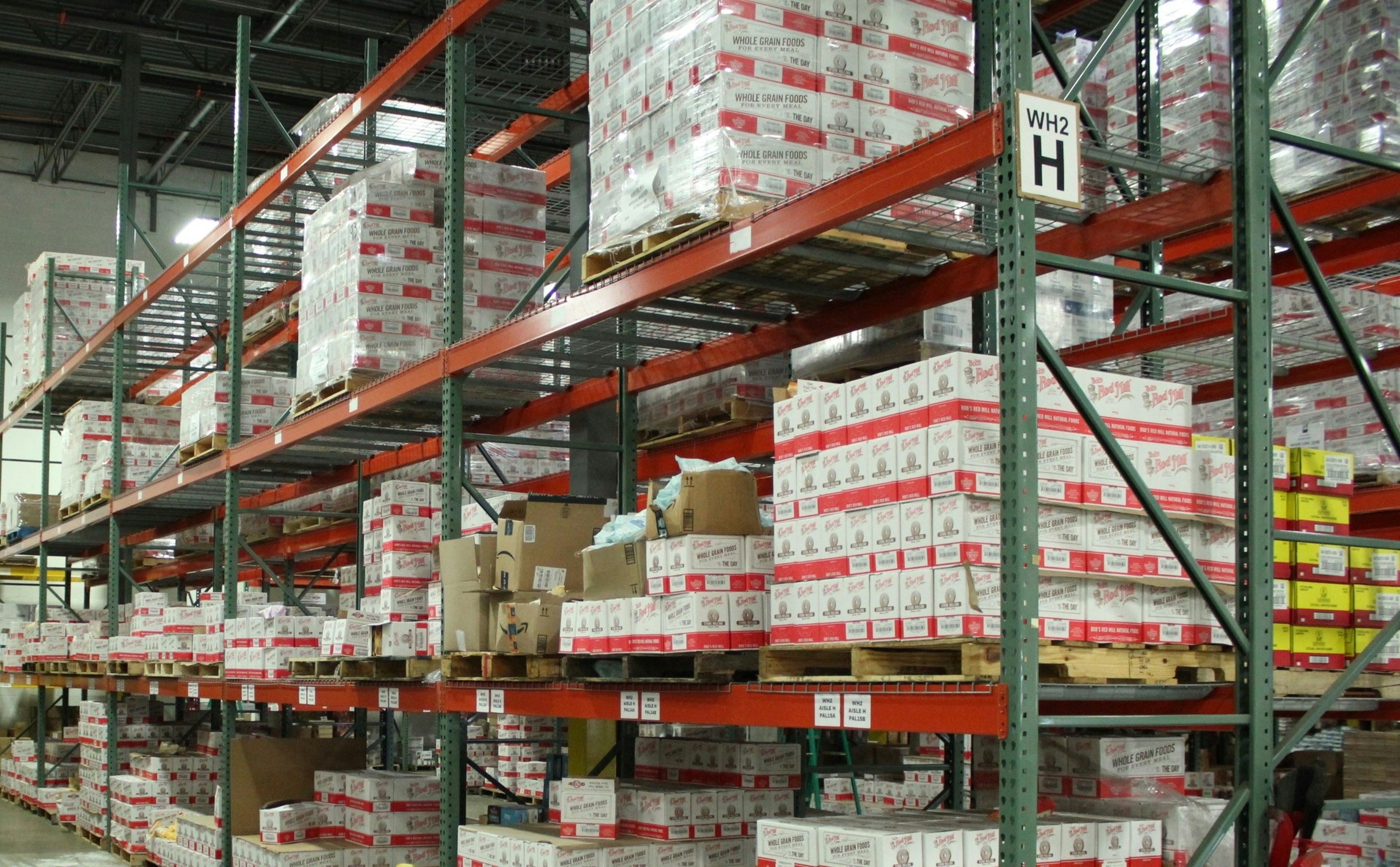
Breaking down costs and margins in thca supply chains with practical sourcing recommendations
Understand that the final landed cost of THCa is the sum of several moving parts: biomass or isolate purchase, extraction/refinement, lab testing and COAs, packaging and labeling, compliance fees, and logistics.Hidden line items – specialty solvents, cold-chain transport, waste disposal and state excise – can add 10-20% to an or else simple quote. when evaluating a supplier, map each of these components into a unit cost (per gram or per milliliter) so you can compare apples-to-apples rather then headline prices alone.
below is a swift, practical cost breakdown you can paste into procurement spreadsheets. Use it as a sanity check when you receive quotes; if one category deviates wildly, ask why.
| cost element | Typical % of landed | Example $/g |
|---|---|---|
| Raw material | 35% | $0.70 |
| Extraction & refinement | 25% | $0.50 |
| Testing & compliance | 10% | $0.20 |
| Packaging & labeling | 10% | $0.20 |
| Logistics & duties | 10% | $0.20 |
| Total landed | 100% | $2.00 |
When negotiating and sourcing, prioritize reliability over the lowest sticker price. Practical tactics that preserve margin and reduce risk include:
- Request full COAs and batch IDs before committing to volume – chemistry matters and so does reproducibility.
- Negotiate step-down pricing tied to volume bands and agreed lead times to protect cash flow.
- Mix supplier types – one direct cultivator for base volume, a white‑label producer for finished goods, and a broker for occasional spot buys.
- Factor in payment and returns terms – 30-60 day net can improve working capital but may increase price.
target margin goals that keep retail partners healthy: aim for a wholesale gross margin of roughly 20-35% so smoke shops can apply a agreeable retail markup (typically 40-80%) without driving prices out of the local market. Use safety stock for fast movers, optimize SKUs (fewer concentrates and clearer pricing tiers), and run quarterly vendor reviews focused on COA consistency and landed-cost reductions. Small operational improvements – consolidated shipments, standardized packaging, shared lab runs – often deliver bigger margin gains than squeezing suppliers on unit price alone.

Compliance, quality testing and traceability considerations that influence pricing and risk
In 2025 the price tag on THCa for smoke shops is no longer just a function of potency or packaging – it’s a ledger of compliance. Third‑party lab testing, Certificates of Analysis (COAs), and state‑specific potency/contaminant thresholds all add up. Labs charge per panel (pesticides, heavy metals, residual solvents, terpene profile, microbial), and repeat testing for each lot or SKU multiplies overhead. when a product must meet multiple jurisdictions’ limits, manufacturers often reformulate, add inert fillers, or perform additional purification steps – each action nudging wholesale cost higher while reducing regulatory risk.
Traceability is the backbone of both price and risk management. Robust batch tracking, tamper‑evident packaging, and QR/RFID integrations create a visible chain of custody that buyers can verify instantly; but implementing those systems requires software, hardware and process audits. Shops that demand traceability expect COAs linked to lot IDs, documented cold‑chain logistics for flower or concentrates, and supplier audits – and suppliers that provide this transparency usually charge a premium because they internalize recall readiness, legal defense records and insurance compliance.
The practical line items that move a price from “competitive” to “insured” are often small individually but compound quickly:
- Comprehensive lab panels – full-spectrum testing instead of spot checks.
- Batch-level COAs and QR codes – visibility for retailers and consumers.
- Third‑party audit fees – GMP, supply‑chain audits and legal reviews.
- Recall reserves and liability insurance – built into unit cost as a risk premium.
- Secure storage/transport – climate control and chain‑of‑custody paperwork.
These are the extras that protect margins from catastrophic losses but push per‑unit pricing upward.
| Compliance Tier | Typical Cost Impact | Residual Risk |
|---|---|---|
| Basic (COA per SKU) | +5-10% | Medium |
| Enhanced (Batch COA + QR) | +12-20% | Low |
| Premium (GMP, Audits, Recall Insurance) | +25-40% | Very Low |
Deciding where to position a product on this spectrum is strategic: price too low and you accept higher recall/legal risk; price for premium compliance and you buy into shelf‑life confidence, retailer preference and often better margins downstream.
Forecasting price trends and inventory strategies to protect margins in a volatile market
In a market where raw biomass, extraction capacity and regulatory shifts can flip margins overnight, forecasting becomes equal parts data science and street sense.Combine past price curves with real-time signals – crop reports,extraction bottlenecks,compliance announcements,and retail demand cycles – to build a rolling 90-180 day outlook.Use small, frequent updates rather than a single annual plan: this keeps your assumptions fresh and lets you react before margins compress. scenario planning (best / base / stress) is your guardrail-know what each scenario would do to your cost per gram and reorder cadence.
Turn forecasts into defense by translating insights into concrete inventory moves. Below are practical levers many smoke shops use to protect margins and avoid overexposure to one supplier or one price point:
- Tiered purchasing: lock small volumes at spot and larger volumes at negotiated thresholds.
- Rolling forward commitments: short-term forward buys with multiple vendors to smooth spikes.
- SKU rationalization: prioritize high-turn SKUs that tolerate minor price swings.
- Buffer stock strategy: maintain strategic safety stock for 30-90 days depending on volatility.
- Dynamic markup rules: auto-adjust retail margins as input costs move.
Quick buffer guide to translate risk appetite into days-on-hand:
| Buffer Level | Days of Coverage | When to Use |
|---|---|---|
| Lean | 14-30 | Low volatility / strong supplier relationships |
| Balanced | 31-60 | Typical market uncertainty |
| Conservative | 61-90+ | Pre-harvest, regulatory risk, or supply disruption |
protect margins not just by holding inventory but by managing how product moves. implement strict inspection and lot-tracking to avoid write-offs, tie promotions to slow-moving lots, and use price corridors so your retail pricing flexes only within acceptable bounds. Negotiate supplier clauses that include short-term price protection or volume discounts, and monitor inventory turn and gross margin per SKU weekly. small operational habits – automated reorder alerts, scheduled supplier reviews and a cadence of scenario rehearsals – compound into significant margin resilience when the market turns noisy.
To conclude
As the market tide shifts and new regulations settle into place, this 2025 Wholesale THCa Pricing Guide is meant to be your compass – not a map that freezes the landscape. Use the benchmarks, margins, and sourcing notes here to calibrate your own pricing strategy, balancing competitive edge with product quality and legal compliance.
Keep a close watch on supplier relationships,lab-test transparency,and local policy updates; small changes in cost or law can ripple quickly through your bottom line. Test different price points, track customer behavior, and be ready to adapt promotions or bundle offers when inventory or demand changes.
Ultimately, smart pricing is part data, part intuition, and part trust – trust in your products, your partners, and your customers. Treat this guide as a reference point, revisit it regularly, and let it help you make measured decisions that support a sustainable, compliant business in the evolving THCa market.

