



There is something quietly reassuring about routines: they anchor the day, turn intention into habit, adn let small choices compound into steady outcomes. A daily THCa routine, when approached with care and curiosity, aims for that same quiet steadiness – not a sudden fix or a dramatic high, but a gentle, reliable layer of support woven into everyday life.
THCa, the raw acidic precursor to THC, occupies an intriguing corner of the cannabis landscape. Unlike its decarboxylated cousin, THCa is non-intoxicating in its natural form and has drawn attention for a range of reported effects and emerging research. Yet the science is still evolving, product formulations vary widely, and individual responses can differ. That makes thoughtful design – consistent timing, appropriate dosing, product choice, and monitoring – essential for getting consistent benefits without unwanted surprises.
This article will explore how to build a balanced daily THCa routine: principles for pacing and personalization, practical options for delivery and dosing, ways to track responses, and important legal and safety considerations. Whether you’re curious about integrating THCa into an already healthful cadence or refining an existing practice, the goal here is the same: steady, predictable results that respect both body and context.

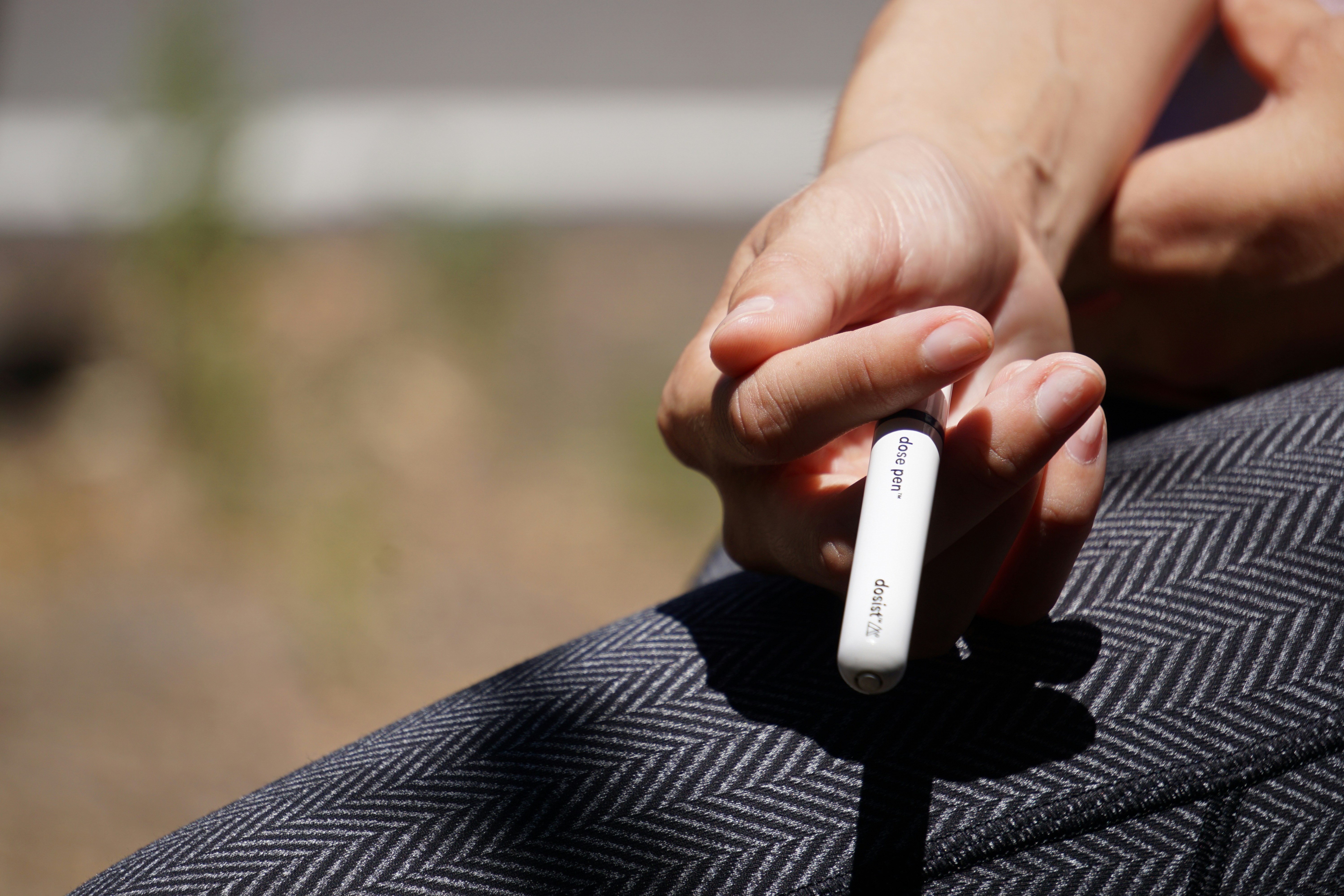
Microdosing and titration Plans for Gradual, Predictable Stabilization
Think of a daily THCa routine as a gentle conversation with your nervous system rather than a single loud proclamation.Begin with the principle of “start low, go slow”: tiny, consistent amounts taken at the same time each day let you notice subtle shifts and build a predictable baseline. Keep a simple log-time, dose, mood, sleep quality-and look for trends over two-week windows rather than reacting to a single day. Consistency is the compass; small adjustments are the map.
Design your titration around micro increments and observation windows. A typical approach is to increase only after a sustained period of neutral or positive effects, then pause to verify stability. Focus on three practical moves: reduce variability, increase incrementally, and wait and observe.
- Reduce variability: use the same product form (tincture,capsule) and timing each day.
- Increase incrementally: raise total daily THCa by 10-25% at a time rather than doubling.
- Wait and observe: allow 7-14 days after any change before reassessing.
- Split dosing: consider dividing the dose into morning and evening for steadier effects.
| week | Daily Total (mg) | Dosing Pattern | Goal |
|---|---|---|---|
| 1 | 2 mg | 1 mg AM / 1 mg PM | Baseline, note tolerance |
| 2 | 3 mg | 2 mg AM / 1 mg PM | Assess steadiness |
| 3 | 4 mg | 2 mg AM / 2 mg PM | Stabilize effects |
| 4+ | 3-4 mg | flexible maintenance | Find minimal effective dose |
Keep the process practical: use a simple notebook or an app to chart responses, pair doses with meals if you notice absorption differences, and store products consistently to avoid potency drift.If other medications or health conditions are present, make consultation with a qualified provider part of the plan. Small, measured changes plus good records tend to produce the most reliable, long-term stabilization.


Tracking Outcomes: What to Log, How Long to Trial, and When to Reassess
Start by treating this like a small experiment: record a clear baseline for several days before changing anything, then log consistently.Key data points to capture every day include:
- Dose & form – milligrams, tincture/smoke/vape/edible;
- Time & context – when you took it and what else was happening (meals, stressors, activity);
- Outcome measures – short, repeatable ratings (0-10) for the symptom you’re targeting, mood, energy, and sleep quality;
- Side effects & interactions – any unwanted sensations or other substances used that day.
How long to run each step of the experiment depends on your goals.Use the table below as a practical framework to pick a trial window that fits your priorities and schedule.
| Goal | Suggested trial length | Why |
|---|---|---|
| Short-term relief (acute) | 1-2 weeks | Rapid read on immediate effects and tolerability |
| daily rhythm / sleep focus | 2-6 weeks | Allows patterns to emerge across nights and circadian shifts |
| Chronic symptom management | 4-8 weeks | Time for steady-state effects, tolerance, and lifestyle interactions to show |
Reassess when the data tell a story: if scores stay flat for the full trial window, if side effects increase, or if life changes (new meds, stressors) occur, its time to revisit the plan. Make changes one variable at a time – for example, adjust dose by small increments and observe for at least 7-14 days before further edits. Keep a short weekly summary that highlights trends rather than day-to-day noise.
translate your log into decisions: use simple charts or a weekly average to spot improvements or declines, share the record with a trusted clinician if needed, and set a clear stop/checkpoint date at the start of each trial. The most reliable insight comes from consistency, patience, and small, measured adjustments rather than abrupt overhauls.
The Conclusion
As with any daily habit worth keeping, a balanced THCa routine is less about rigid rules and more about thoughtful rhythm. Start small, observe, and let consistency – not haste – show you what works. Pay attention to method of use,product quality,and changes in your goals or tolerance; those small adjustments are the tuning that keeps the routine aligned with your life.
Think of the routine as a garden: plant intentional choices, water them with routine, and prune when something no longer serves you. Keep clear notes,listen to your body,and stay informed about legal and safety considerations – especially how heat can convert thca to THC and alter effects.
If you have health conditions, are taking other medications, or are unsure how THCa might interact with your situation, consult a healthcare professional. With patience and care, a balanced daily approach can become a steady tool in your toolkit – one that supports the consistent, personalized outcomes you’re seeking.