



Think of THCA as one of cannabis’ lesser-known opening acts – a raw, botanical precursor that quietly sets the stage before the louder, more familiar cannabinoids take the spotlight.For newcomers navigating a crowded landscape of jargon, products, and half-remembered headlines, THCA can feel like a riddle: similar to THC in name, but distinct in behavior and implication. This guide aims to demystify that riddle without the hype.
In the pages that follow, you’ll find a clear, approachable primer on what THCA is, how it differs from othre cannabinoids, and why it matters to anyone curious about the plant’s chemistry and potential uses. We’ll explore the science in plain language,outline common forms and ways people encounter THCA,and highlight practical considerations – from safety and legal nuances to the limits of current research.
This is an educational map, not a prescription. Laws vary by place, studies are ongoing, and individual responses to cannabis-derived compounds differ.With that context, the goal here is simple: to give beginners the essential, balanced information needed to ask informed questions and make cautious decisions. Welcome to the essentials of THCA – let’s start by understanding what it actually is.

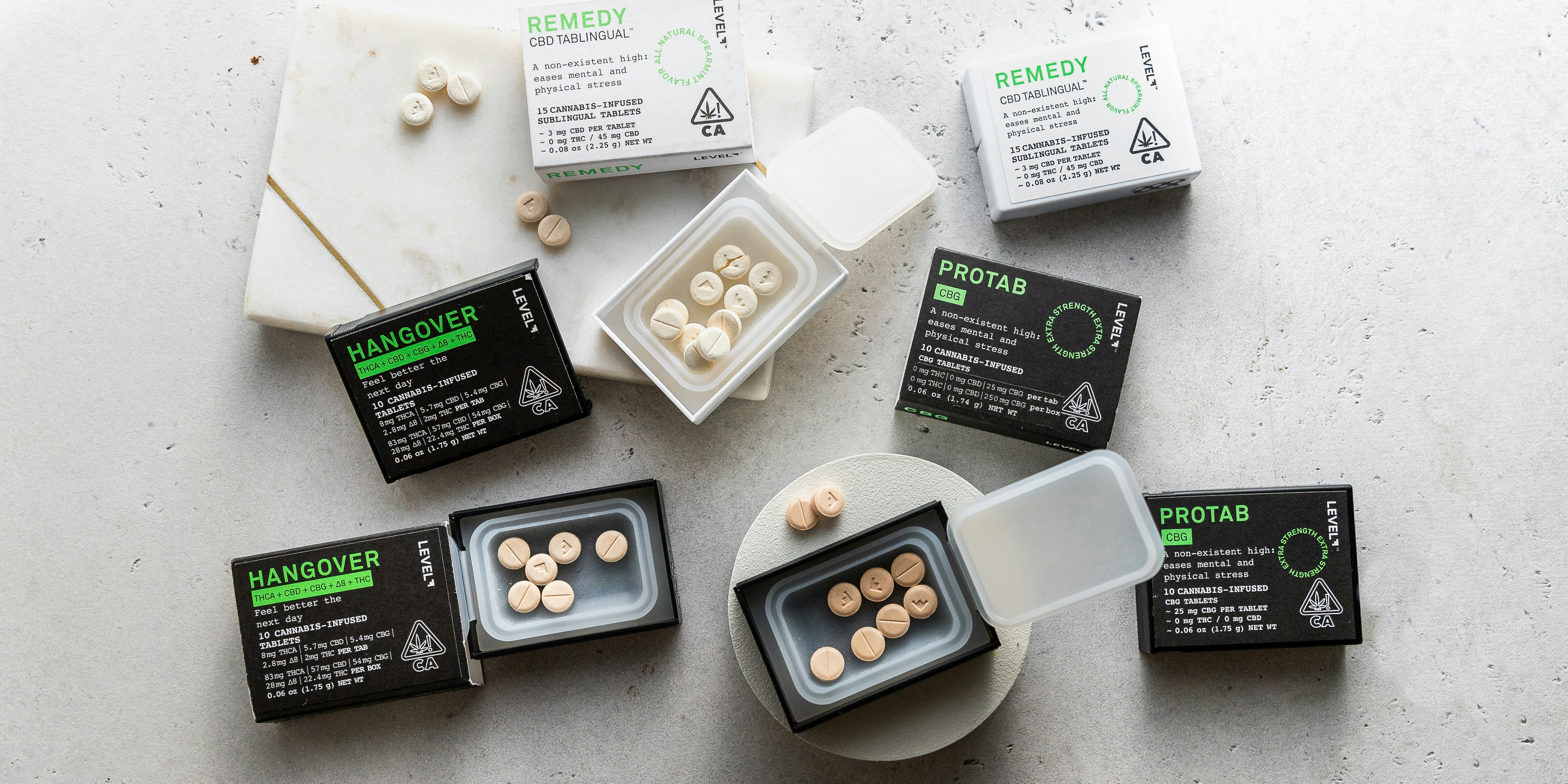
Understanding THCA and how It Differs From THC
Fresh cannabis contains a molecule called THCA – the acidic,non‑intoxicating precursor to the more familiar THC. In the plant’s living tissues THCA accumulates in trichomes and does not produce the “high” people associate with cannabis.It’s chemically distinct because it carries an extra carboxyl group (a small acidic tail) that changes how it interacts with the body and with laboratory tests.
when THCA is exposed to heat or prolonged light, it undergoes decarboxylation – the carboxyl group is released as CO2 and the molecule converts into psychoactive THC. That transformation is why smoking, vaping or baking cannabis typically produces intoxicating effects: the activation step is thermal. Temperature, time and even storage conditions influence how much THCA remains intact versus how much becomes THC.
For people learning to navigate products and labels, the practical differences matter. Consider these speedy points before choosing a product or preparation:
- Psychoactivity: THCA – non‑intoxicating; THC – intoxicating after activation.
- Consumption: raw juicing or cold tinctures preserve THCA; heating (smoking, cooking) produces THC.
- Testing & legal: some drug tests detect metabolites from THC, so activated products carry different risks than raw plant use.
- Storage: cooler, darker storage slows decarboxylation and preserves THCA content.
| Property | THCA | THC |
|---|---|---|
| Psychoactive | No (in raw form) | Yes (after activation) |
| Found in | Fresh plant material | Heated/aged products |
| Activation | Requires decarboxylation | Already active |
| Common uses | raw recipes, tinctures, research | Recreational & medicinal preparations |


Safe Consumption Methods and Dosage Guidelines for Beginners
Many beginners find THCA confusing because its effects depend heavily on how you consume it. When flower or concentrates are heated-through vaping, smoking, or dabbing-THCA converts to THC and produces psychoactive effects. Consuming raw or non-decarboxylated preparations (juice, cold tinctures, or fresh salads) tends to preserve THCA’s non-intoxicating profile. Topicals and transdermal patches usually target localized relief without strong systemic effects. Understanding this chemical change is the first step to choosing a method that matches your comfort level.
Start low, go slow. adopt a conservative dosing mindset: take a tiny initial amount,wait the recommended observation time for your chosen method,and only increase gradually. Keep a consumption log (dose, time, method, and effects) so you can learn your personal response. Avoid mixing with alcohol or unfamiliar medications, and consult a healthcare provider if you have medical conditions or take prescription drugs.
Timing matters. Onset and duration vary widely by method, so be patient and intentional. A few practical tips to follow:
- Inhalation: effects ofen appear within minutes-wait at least 15-30 minutes before taking more.
- Edibles: can take 1-3 hours to onset and last much longer; resist re-dosing too soon.
- Sublingual/ tinctures: faster than edibles but slower than smoking; record how you feel over several hours.
- Topicals: useful for localized relief; expect minimal intoxication unless labeled transdermal.
simple safety habits-secure storage away from children and pets, clear labeling, and avoiding driving or operating machinery until you know your response-will reduce risk as you explore. If symptoms become uncomfortable, stay hydrated, find a calm surroundings, and seek medical help if needed. Track progress, adjust conservatively, and let experience (not impulse) shape your routine.
| Method | Typical Onset | Beginner portion | Notes |
|---|---|---|---|
| Raw juice / cold tincture | Minutes to gentle hours | Small sip or 1 dropper | Non-intoxicating for most; good starter choice. |
| Vaping / smoking | Seconds-minutes | 1 small inhalation | Converts THCA to THC-expect psychoactive effects. |
| Edibles / cooked tincture | 1-3 hours | ¼ of a low-dose product | Long duration; increase only after full onset window. |
| Topical / balm | variable (local) | Small submission to area | Low systemic effects; try patch test for sensitivity. |


Potential Benefits and Side Effects Backed by Current Research
Current studies frame THCA as a promising but still experimental compound. Most of the supportive data comes from animal models and in vitro work that describe biological activity without the intoxicating effects of THC. Human trials are sparse and often small,so while early results are encouraging,they are not conclusive. Keep in mind that THCA will convert to THC when heated, which changes both effects and legal status-something researchers and consumers must account for.
Laboratory and preclinical research points to several potential benefits. Notable areas include:
- Anti-inflammatory action – models show reduced markers of inflammation, suggesting potential for inflammatory conditions.
- Neuroprotection – early studies suggest THCA may protect neurons in models of neurodegenerative stress.
- Anti-emetic and appetite modulation – some data indicate relief of nausea and influence on feeding behavior, though human evidence is limited.
- Anti-proliferative effects – cell studies show inhibited growth in certain cancer cell lines, a promising but preliminary finding.
All of these findings are best described as “suggestive” rather than definitive until larger, well-controlled clinical trials are available.
Potential downsides are crucial to understand before experimenting. Common and precautionary concerns include:
- Decarboxylation risk – heating transforms THCA into psychoactive THC, which may be unwanted or illegal.
- Unknown drug interactions – metabolic pathways are not fully mapped; interactions with prescription medications are possible.
- gastrointestinal or allergic reactions – isolated reports of stomach upset or sensitivity exist.
- Dosing and purity – products vary widely, and standardized dosing guidelines are lacking.
Given these uncertainties, medical guidance is recommended for people on other medications or with underlying health conditions.
| Proposed Effect | Evidence Level | Practical Note |
|---|---|---|
| Anti-inflammatory | Preclinical (animal/cell) | Promising; human trials needed |
| Neuroprotective | Early-stage | Lab models only so far |
| Anti-nausea | Limited human data | May be useful but inconsistent |
| Anti-proliferative | In vitro | Not a substitute for cancer therapy |
Bottom line: THCA has intriguing biological activity in studies to date, but definitive safety and efficacy profiles are not yet established.Consult a healthcare professional and rely on well-sourced products if you decide to explore it.
To Wrap It Up
You’ve now unpacked the basics of THCA – what it is, how it differs from THC, why temperature matters, and the practical considerations around testing, storage, legality and safety. Think of this primer as a compass: not a destination but a tool to help you navigate the landscape. Whether you’re curious about chemistry,collecting reliable labels,or simply trying to make informed choices,the next steps are to keep learning,verify sources,and be mindful of local laws.If you’re considering using products that contain THCA, approach them cautiously: prioritize lab-tested items, check potency and cannabinoid profiles, be aware of potential interactions, and consult a healthcare professional if you have medical questions. For further reading, look to peer-reviewed studies, regulatory guidance, and reputable industry resources rather than anecdote alone.
Thanks for reading – stay curious and careful. If you have questions or experiences to share, your observations can help others on the same path, so consider leaving a comment or reaching out to experts in your community.