


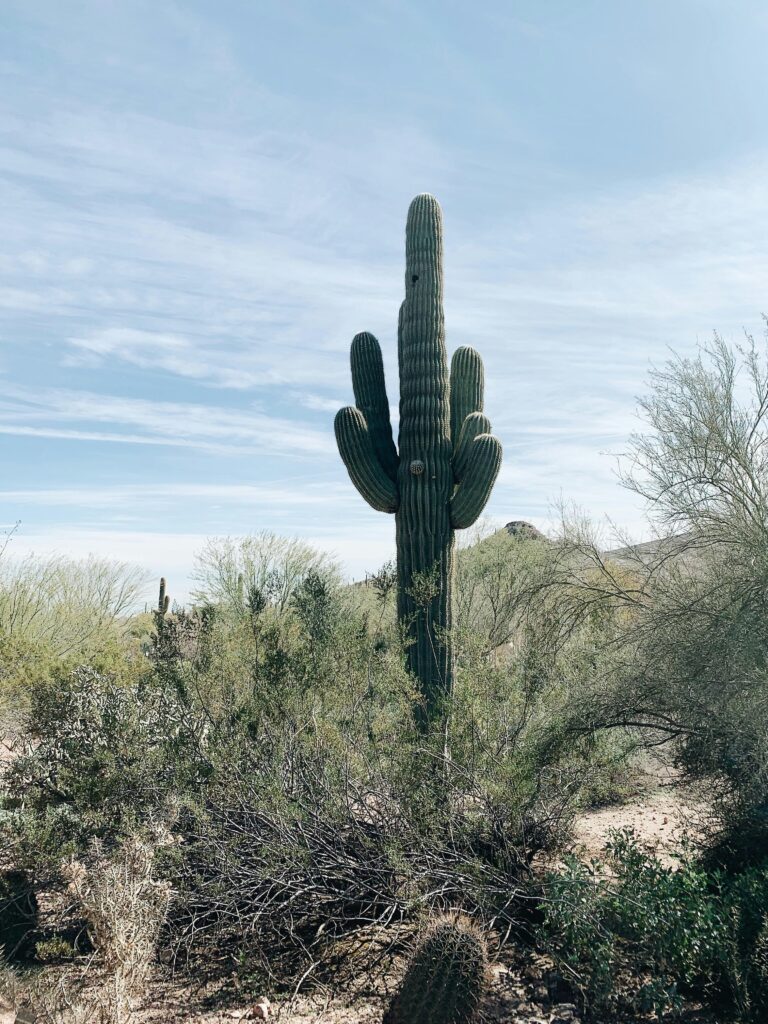
Arizona’s hemp and THCa rules sit at the intersection of desert heat and legal nuance – where a single chemical change (decarboxylation) can turn a lawful product into a controlled substance, and where federal standards meet state-level interpretations. For producers, retailers and consumers in the Grand Canyon State, navigating that landscape requires more than a map: it demands an understanding of how hemp-derived cannabinoids are defined, tested and regulated under both federal and Arizona law.
This article unpacks the essentials of thca and hemp legality in Arizona: what THCa is and why it matters; how federal hemp limits interact with state rules; the compliance steps businesses must take (testing, labeling, licensing and recordkeeping); and the enforcement risks that follow noncompliance. Along the way we’ll clarify common pitfalls – such as differences between delta-9 THC and THCa, the role of total-THC calculations, and cross-border transport issues – so operators can make informed decisions.
Neutral in tone but practical in purpose, the piece aims to translate legal complexity into usable guidance. Whether you’re cultivating hemp,formulating products,operating a retail outlet,or simply curious about where Arizona draws its lines,read on for a clear-eyed tour of the state’s THCa and hemp legal terrain.

Understanding Arizona THCa and Hemp Definitions and Legal Thresholds
THCa and Δ9‑THC are siblings on the same chemical family tree, but they behave very differently in a legal context. THCa (tetrahydrocannabinolic acid) is the raw, non-intoxicating form found in fresh hemp; when heated or aged it decarboxylates into the psychoactive Δ9‑THC. As laboratories and regulators care about the potential psychoactive content, the law looks beyond just measured Δ9‑THC and factors in how much THCa could become Δ9‑THC under normal use or processing.
Compliance hinges on how that potential is calculated. Most testing protocols used in Arizona and across the U.S. compute a product’s “total THC” by adding measured Δ9‑THC to a converted portion of THCa (the commonly used conversion factor is 0.877). that total is than compared to the statutory limit-commonly the federal hemp ceiling of 0.3% on a dry weight basis. Typical lab checklist:
- Dry-weight basis: confirm sample moisture standard.
- THCa conversion: apply 0.877 × THCa to estimate potential Δ9‑THC.
- Total THC calculation: Δ9‑THC + (0.877 × THCa).
- Compare to threshold: determine compliance and document the result.
| Sample | THCa % | Δ9‑THC % | Total THC % | Compliant? |
|---|---|---|---|---|
| Flower A | 0.20 | 0.05 | 0.05 + (0.877×0.20) = 0.225 | yes |
| Extract B | 1.50 | 0.10 | 0.10 + (0.877×1.50) = 1.416 | No |
for brands, retailers and consumers the practical takeaway is to trust accredited labs and demand Certificates of Analysis that show both THCa and Δ9‑THC values and the resulting total. Label claims and storage/processing methods matter-drying, heating, or solvent processing can increase the fraction of THCa that becomes Δ9‑THC, pushing a product across the legal line. Keep records, verify testing methods, and treat total THC (not just measured Δ9) as the deciding metric for compliance.
Testing Protocols, Labeling Requirements and Chain of Custody for Reliable Compliance
Laboratory rigor is the backbone of defensible compliance. Licensed, ISO-accredited labs should employ validated analytical methods – typically HPLC for cannabinoid profiling – and report both delta‑9‑THC and acidic precursors so total psychoactive potential can be calculated (total THC = Δ9‑THC + 0.877 × THCa). Results must include method detection limits, uncertainty, and a clear statement of whether the batch tested falls within legal thresholds. Where possible, require labs to include chromatograms and raw data excerpts on the Certificate of Analysis (COA) to make review faster and audits cleaner.
Testing panels must go beyond potency. Routine screening for pesticides, heavy metals, residual solvents, and microbial contaminants turns product testing into a public‑health safeguard rather than a checkbox exercise. Establish batch sampling plans that ensure representativeness – pull multiple sub‑samples per lot and retain a physically preserved retention sample for dispute resolution. Build in periodic stability testing so labels reflect what remains in the product at the end of shelf life,not just the day it left production.
- Sample identification: unique lot/chain IDs linked to production records
- Secure transfer: tamper‑evident seals, temperature logs, courier manifests
- Laboratory accession: timestamped intake, analyst assignment, and file number
- Result reconciliation: COA matched to lot number before release
Labeling must be transparent and traceable. prominently display total THC, batch/lot number, net quantity, serving size and per‑serving potency, and a scannable link to the COA. Avoid vague marketing claims; any therapeutic suggestion risks regulatory scrutiny. Below is a compact reference to the essential label elements and their purpose.
| Label Element | Why it matters |
|---|---|
| Total THC (mg) | Shows legal compliance and consumer dose |
| Lot/Batch ID | Links product to testing and recalls |
| COA QR/URL | Provides immediate verification of lab results |

Retail Compliance, Age Verification and Advertising Standards for THCa Products
Keeping a storefront compliant means more than stocking shelves – it requires airtight documentation and traceability. Retailers should maintain a current Certificate of Analysis (COA)labeling accuracy (ingredients, net weight, and cannabinoid breakdown), and preserve purchase records linking products to tested lots. Remember that the federal hemp benchmark – delta‑9 THC under 0.3% by dry weight – is a guiding standard, and Arizona-specific testing or registration requirements may layer on additional obligations.
Protecting youth and avoiding illegal sales starts at the point of interaction. Best practices include:
- ID scanning at POS and digital age-gates for online orders;
- written age-verification policies and visible signage;
- employee training on spotting fake IDs and refusals;
- a clear refusal-of-sale procedure with incident logs.
These steps reduce risk and demonstrate good-faith compliance during inspections or third-party audits.
Advertising for hemp-derived THCa must be careful, factual, and non-exploitative. Avoid medical or unproven therapeutic claims, refrain from imagery or language that appeals to minors, and tailor messaging to platform rules (many social networks restrict cannabinoid promotion). Use neutral descriptors,cite lab-tested facts,and include responsible disclaimers. Swift creative tips:
- Do highlight COA availability and factual cannabinoid content;
- Don’t imply treatment, cure, or performance enhancement;
- Do maintain archive copies of ads and targeting settings for audits;
- Don’t use cartoon characters, toys, or youth-focused themes.
| Checklist Item | Requirement | Why it matters |
|---|---|---|
| COA on file | Third-party lab results | Proves compliance with THC limits |
| Age verification | ID scan & SOP | Prevents unlawful sales to minors |
| Labeling | Accurate cannabinoids & warnings | Clarity for consumers & inspectors |
| Marketing review | Claim vetting process | Reduces risk of enforcement or takedowns |
Concluding Remarks
As Arizona’s THCa and hemp rules shift and settle like desert sands after a storm, businesses and consumers alike must navigate a landscape that’s equal parts prospect and obligation. The essentials-clear product testing, accurate labeling, thorough documentation, and close attention to both state and federal guidance-remain the steady waypoints through change.
Staying compliant means staying informed. regularly review regulatory updates, build relationships with reputable labs and legal advisors, and design your operations with transparency and traceability at the core. Those practical steps transform uncertainty into manageable risk.
the law is less a finish line than a living map. Read it carefully, update your route as the terrain changes, and let diligence be your compass.