


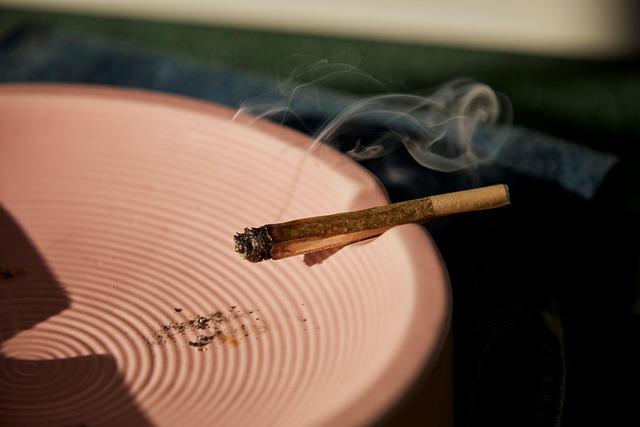
A tightly wound cone of shadow-heavy, aromatic, and crafted with intention. Artisanal indica THCA pre-rolls occupy a niche where small-batch cultivation, careful curing, and a focus on terpene preservation meet the ritual of smoking. For consumers and connoisseurs alike they promise a tactile, flavor-forward experience: dense buds and resinous trichomes that translate into smoke with deep, layered notes rather then a one-note burn.
What separates these pre-rolls from mass-produced joints is both provenance and process. “Indica” here signals a lineage often associated with fuller-bodied, more sedate effects; “THCA” denotes the plant’s raw acidic cannabinoid, present in high concentrations before heat converts it to THC. Artisanal makers lean on selective genetics,gentle handling,and hand-rolling techniques to keep those subtle terpenes – citrus,diesel,earth,berry,spice - intact,so the palate registers complexity even as the experience tilts heavy.
This article will unpack that intersection of craft and chemistry: how growers and rollers preserve flavor, what consumers mean by “heavy” in context, and the sensory and technical choices that shape a premium THCA indica pre-roll. Along the way we’ll touch on the production practices, tasting notes, and regulatory nuances that surround this growing segment of the market.


Construction and Grind Matter: How Cone Type, Pack Density, and Grind Size Shape Burn, Smoothness, and Potency
think of a pre-roll as a tiny engineered device: the cone walls, the tip design and the way the flower is packed all conspire to determine how the smoke behaves. A narrow cone funnels heat and accelerates the burn, delivering fast, intense draws that suit light hits but can scorch terpenes and taste harsh. Wider cones slow the burn and let yoru THCA-rich blend breathe, preserving flavor and releasing cannabinoids more steadily. Likewise, the wrap material-classic paper, hemp or unbleached options-plays a silent role: some wraps mute flavor, others compliment the strain’s citrus, pine or earthy notes.
Grind size and pack density are the complementary levers. Very fine grind increases surface area and can coax a heavy, immediate release of effects, but it also risks an overly fast, hot burn and a harsher throat hit. Too coarse, and you get under-packed pockets that burn unevenly and waste potency down the stem.The sweet spot for a full-bodied indica pre-roll tends to be medium‑fine-enough surface area to release terpenes and THCA without packing it so tight the cone suffocates and canoeing begins.
Small adjustments change the experience more than you might expect. Try these quick rules of thumb when tailoring a heavy, flavor‑rich pre-roll:
- Grind: Aim for medium‑fine for balance-use a three‑piece grinder or a gentle hand‑break to avoid powder.
- Pack density: Light, even pressure with fingertip taps-too tight = slow, uneven burn; too loose = fast, thin smoke.
- Cone choice: Wider cones for slow flavor development; slim cones for direct potency hits.
- Tips and filters: A short crutch stabilizes draw and prevents over‑packing at the mouthpiece.
| Cone Type | Burn Behavior | Best Grind | Smoothness Impact |
|---|---|---|---|
| slim | Fast, concentrated | Fine-Medium | Sharper, more potent hits |
| King‑size / Wide | Slow, even | Medium‑Fine | Smoother, preserves terpenes |
| Hemp wrap | Consistent, flavorful | Medium | Natural, mellow finish |

Taste Forward Rituals: Flavor Pairings, Temp Control, and Sip Suggestions to Amplify Terpene Notes
Think of each pre-roll as a tasting flight: the goal is to coax terpene subtleties rather than scorch them away. Start with a ritual of observation-smell the capped end, take a cool, silent draw to catalog citrus, earth, or spice, then decide which notes you want to highlight. Small changes in technique become exaggerations in flavor: a languid pull will favor floral and citrus terpenes, while a slightly firmer draw unlocks resinous, herbal depth. Treat the session like wine tasting-rotate the roll between sips, notes, and breaths.
Pairings are your shortcut to accentuation. Match texture and contrast to the dominant terpene profile to either amplify or balance the smoke:
- Myrcene (earthy, mango-like) – pair with dark chocolate, ripe mango, or a nutty blue cheese to deepen the herbal sweetness.
- Limonene (citrusy) – bright partners like sparkling water with lemon, grapefruit segments, or a lemon verbena tea will lift the high-end zing.
- Caryophyllene (peppery, spicy) – try black coffee, ginger beer, or aged cheddar to play up the bite.
- Linalool (floral, lavender) - pair with chamomile-honey sips, light pastries, or delicate white peach to soften the edges.
Temperature control with a pre-roll is less about a dial and more about discipline. Use a hemp wick or the edge of the flame to kiss the tip briefly rather than blasting it; this keeps combustion cooler and preserves volatile terpenes. Practise short draws (2-3 seconds) with longer rests (10-20 seconds) between puffs so the ember cools and flavors remain distinct. If you taste harshness, back off-let the ember die a touch and revive with a gentle re-toast rather than continuous dragging. These small pauses are the difference between a blunt and a crafted ritual.
Complementary sips should act as palate translators, not competitors. A sip of cold,slightly sweet tea cleanses and reveals mid-notes; a bitter espresso sharpens resinous backnotes; a dry,tannic red wine anchors heavy indica weight. Use the table below as a quick reference for pairing a dominant terpene to a sip that will amplify its character:
| Terpene | Flavor Cue | Sip Match |
|---|---|---|
| Myrcene | Earthy, musky | Dark chocolate + black tea |
| Limonene | Zesty, bright | Sparkling lemon water |
| Caryophyllene | Peppery, warm | ginger beer or espresso |
| Linalool | Floral, soft | Chamomile-honey infusion |


Sourcing with Confidence: Questions to Ask Artisanal Makers, Red Flags, and Buying Recommendations for Consistent Quality
Start every conversation with clarity: ask about genetics, cultivation, and curing timelines. Good questions include “Which strain and phenotype did you use?”, “Can I see recent COAs for cannabinoids and contaminants?”, and “How long was this batch cured and how was it dried?” Artisanal makers who take pride in craft will happily discuss watering and nutrient regimens, trim source (hand-trim vs. machine), and whether flower or kief is used in the roll. These answers tell you whether you’re buying dense, slow-cured flower built for flavor and weight-or something blended for cost and convenience.
- Ask to see batch numbers and lab results-consistency is a documented trait, not an afterthought.
- Request storage and pack dates so you aren’t getting stale terpene profiles.
- Inquire about rolling technique (cone vs. palm-pressed, filter type) to assess burn behavior.
Watch for obvious red flags: vague responses, no lab documentation, inconsistent appearance between pre-rolls in the same pack, or easily-detectable moisture and off-odors. A seller who dodges questions about pesticide screening or who can’t provide a clear harvest or pack date is a risk. Below is a quick reference to help you translate concerns into actionable follow-ups.
| Red Flag | what to Ask |
|---|---|
| Missing COA | “Can you provide third‑party lab results for THC/THCA and contaminants?” |
| Uneven burn | “Was this hand-rolled or mechanically pressed? What paper and filter were used?” |
| Flat aroma | “when was this batch cured and packed? Was flower used or trim?” |
For consistent, heavy, flavor-forward pre-rolls, buy from makers who show their process: visible curing racks, transparent lab links, and a willingness to let you sample or buy single units before committing to a bulk order. Keep a short checklist when sourcing: COA present, fresh pack date, clear strain/phenotype, and consistent roll construction. That combination maximizes the odds that every puff delivers the dense mouthfeel and layered terpenes you’re seeking.
to sum up
Like a conversation between craft and cultivar, artisanal indica THCA pre-rolls close the distance between potency and palate. Their dense, resinous structure and carefully curated terpene bouquets read like a map of flavor – from deep chocolate and earth to bright citrus and berry – each draw a small, deliberate chapter.For readers who prize weighty, flavor-forward smoking experiences, these hand-finished rolls offer a distinct, textured option that puts plant character front and center.
Whether you’re a curious newcomer or a seasoned enthusiast, choose products with clear sourcing and lab testing, observe local laws, and match consumption to your own tolerance. beyond trends and labels, the appeal of these pre-rolls lies in the slow, attentive craft behind them – a reminder that in the best cases, potency and palate can coexist.Savor thoughtfully, and let the work of the growers and rollers speak for itself.