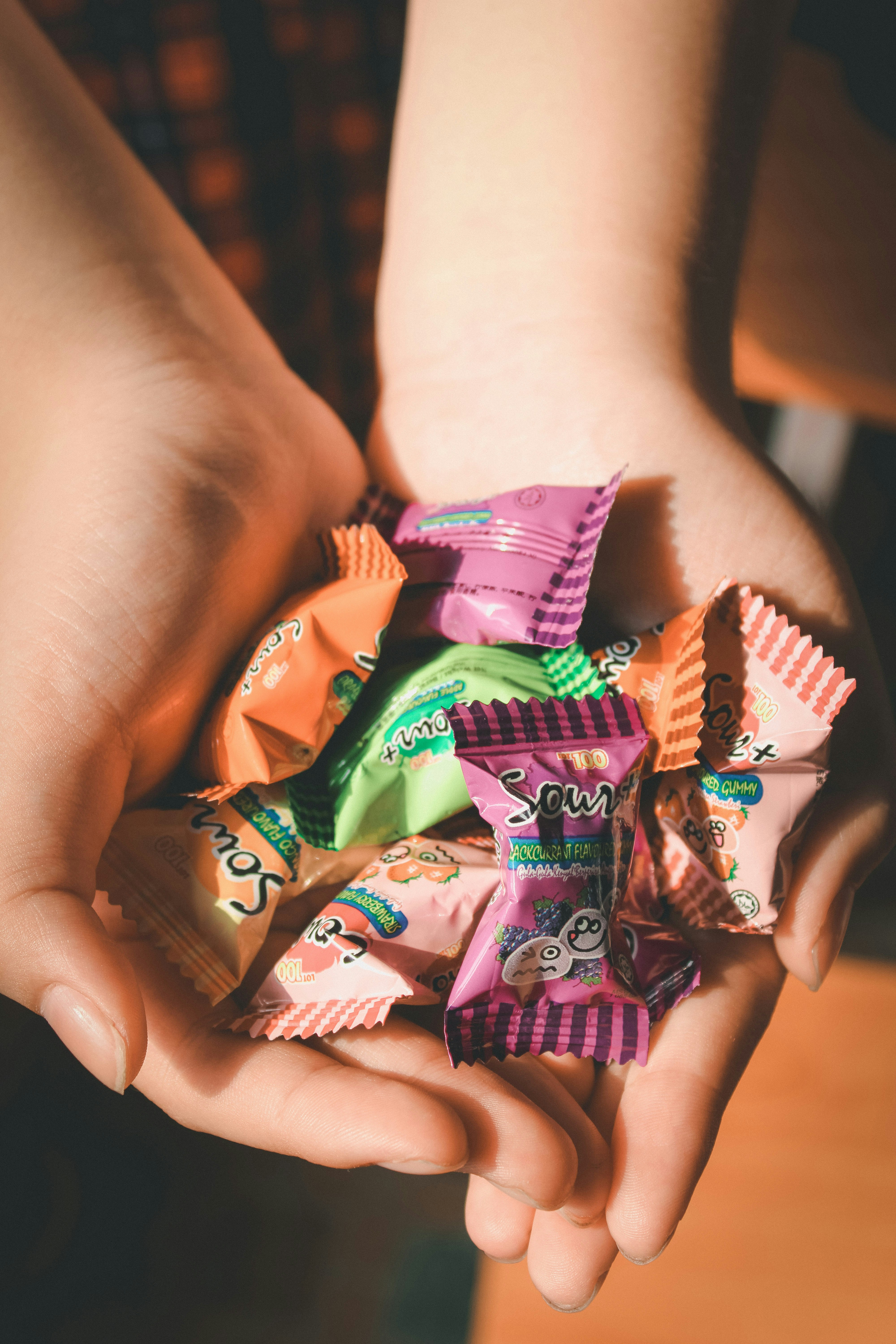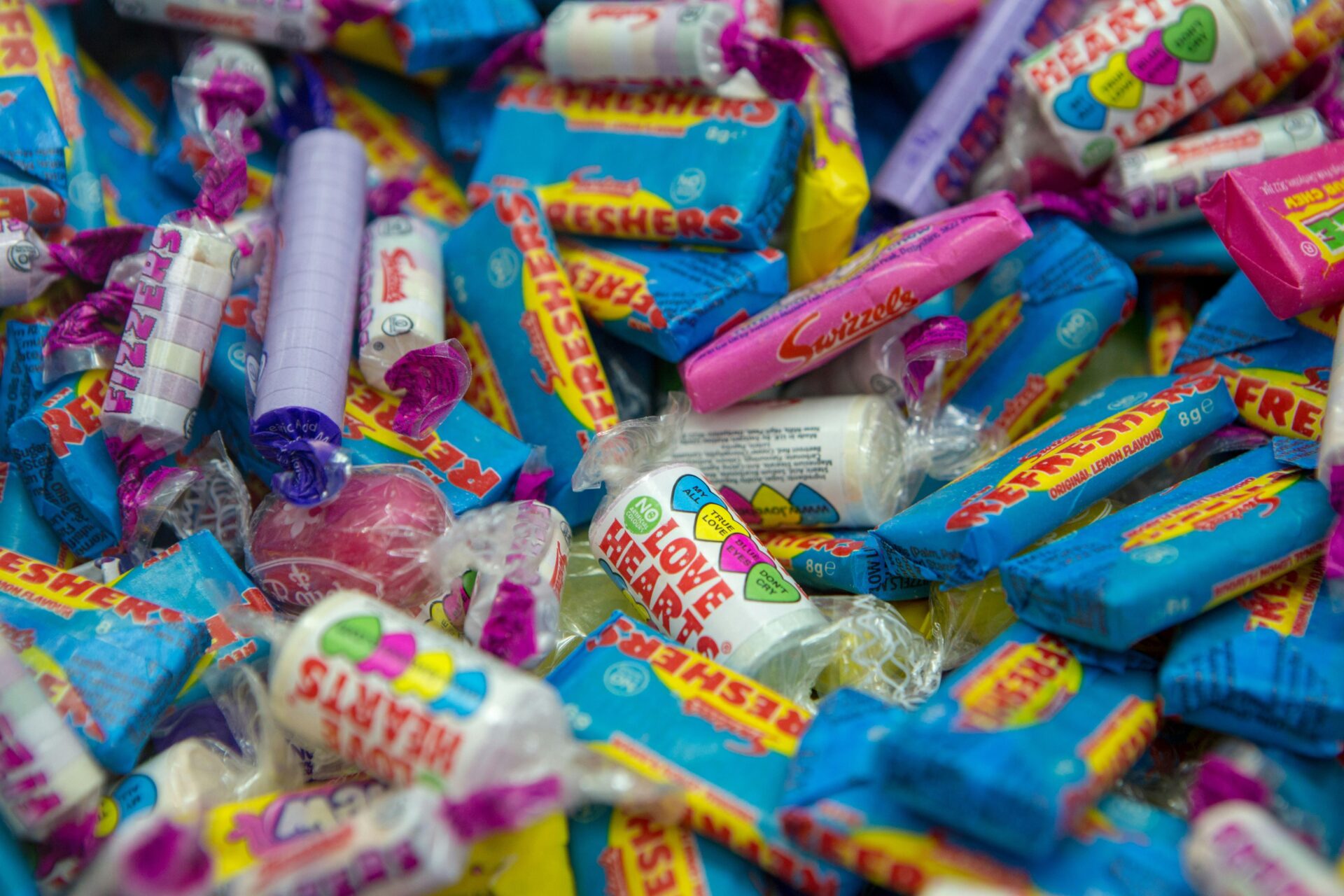
Picture a colorful tin of candies that promises more than a sugar rush – each piece carries a label of chemistry, safety, and legality.For newcomers curious about THCA-infused edibles, teh landscape can feel like a candy store and a lab report collided: appealing packaging on one side, dense certificates of analysis on the other. This beginner’s guide aims to bridge that gap, helping you understand what THCA candy is, why buying in bulk changes the considerations, and how to read lab results without getting lost in scientific jargon.
We’ll introduce the basics of THCA as a cannabinoid, explain why lab testing matters (potency, purity, and contamination are not trivial when you’re buying large quantities), and outline the practical questions to ask suppliers and interpret certificates of analysis. Along the way, expect clear definitions, neutral explanations of legal and safety implications, and tips for making informed, responsible decisions. Whether you’re a retail buyer, event planner, or curious consumer, this guide will equip you to evaluate bulk THCA candy with the same care you’d use when choosing any product meant for consumption.

Understanding THCA and How It Differs from THC While Explaining Why Lab Results Matter
Think of THCA as the quiet,unlit candle of the cannabis world: abundant in the fresh plant,chemically stable until heat or time sparks a change. In its raw acidic form it does not produce the classic “high” associated with cannabis – that effect appears when THCA loses a carboxyl group thru decarboxylation and becomes THC. for artisans crafting bulk candy,this chemistry is central: baking,chewing,or even stomach-acid conditions can activate some fraction of THCA,so understanding how your production and consumption methods influence conversion matters.
The difference between the molecules is more than academic; it drives labeling, dosing and legality. labs distinguish between THCA and delta‑9 THC, and many COAs (Certificates of Analysis) include a calculated Total Potential THC value using the common conversion factor (THCA × 0.877 + Δ9‑THC). That single line tells you the maximum intoxicating potential of a batch once activated – invaluable when you’re portioning dozens or thousands of candies.
Reliable lab results protect both producers and consumers by verifying potency, ensuring purity, and confirming consistency. Typical third‑party testing covers:
- Potency – THCA, Δ9‑THC, CBD and total potential cannabinoids
- Contaminants - pesticides, heavy metals, residual solvents
- microbial screening – yeast, mold, and bacteria
- Terpene profile – aroma and subtle effect contributors
When you review a COA, prioritize batch-matched reports, clear unit measurements, and lab accreditation. A clean,clear COA is the difference between predictable treats and unpredictable outcomes.
| Batch ID | THCA (%) | Δ9‑THC (%) | Total Potential THC (%) | Pesticides |
|---|---|---|---|---|
| BC-1024 | 18.2 | 0.05 | 15.98 | Pass |
| BC-1025 | 12.5 | 0.02 | 10.97 | Pass |
key Takeaways
As you close this primer, remember that bulk THCA candy is as much about information as it is about indulgence. Lab results are your roadmap – they turn marketing into measured facts, reveal potency, and flag purity - so treat them like the compass they are when choosing a supplier or dosing for a group.
Whether you’re stocking shelves, planning a gathering, or simply experimenting as a curious newcomer, prioritize verified testing, clear labeling, and local regulations. start small, store wisely, and keep track of effects so you can refine your approach over time.
With data in hand and a cautious mindset, you can navigate the world of THCA confections with clarity rather than guesswork. Stay informed, stay legal, and let reliable lab results be the sweetest part of your process.