


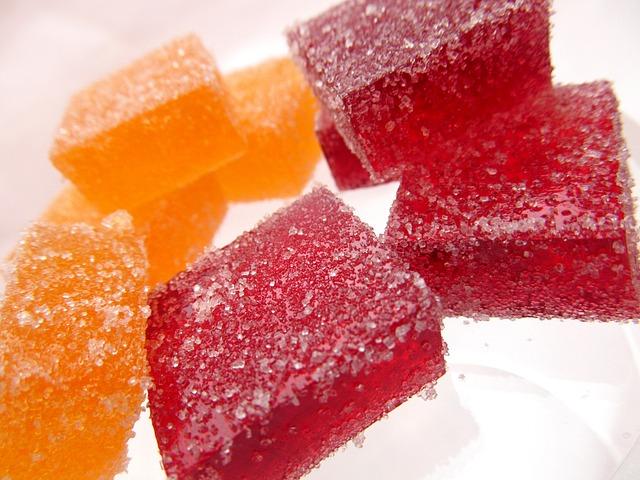
A gummy that promises to be the “strongest” on the shelf can feel like a promise and a puzzle at once-appealing, a little intimidating, and full of questions. This beginner’s guide peels back the packaging to explain what people mean when they talk about strong THCa gummies, what THCa actually is, and how potency, testing, and legal status shape the products you’ll find today.
You’ll learn the basic science without the jargon: how THCa differs from the more familiar THC,why concentration per piece matters,and which factors determine how a gummy behaves in the body. The guide also separates marketing claims from lab-verified facts and offers practical safety and dosing considerations for newcomers who want to be informed rather than impulsive.
Whether you’re curious about effects, wondering how to read a certificate of analysis, or deciding whether a high-strength gummy is appropriate for you, this article gives a calm, clear map of the landscape. It’s not a how-to for production or a health prescription, but a neutral primer to help beginners make safer, smarter choices.
Decoding Potency: How Milligrams, Concentrates, and Terpene Synergy Affect Strength
Milligrams are the simplest way brands communicate strength, but the number on the label is only one piece of the puzzle. A gummy’s listed milligrams tell you how much THCa (or total cannabinoid) is inside each piece or the entire pack, yet the experienced potency depends on factors like how that dose is distributed, the edible matrix (gelatin, pectin, fats), and individual metabolism. Always check the per-piece dose and the batch Certificate of Analysis (COA) – lab-tested numbers reduce uncertainty and help compare products accurately.
concentrates used in gummy production shift the scale of intensity. Distillates provide a high-purity, predictable cannabinoid punch wiht minimal flavor; full-spectrum concentrates carry a wider range of cannabinoids and trace compounds that can alter subjective effects. Isolates deliver single-cannabinoid clarity but lack the subtle modulatory compounds found in broader extracts. The choice of concentrate affects not only peak strength but also the character of the experience – whether it feels sharp and clear or rounded and layered.
Terpene synergy is the often-overlooked variable that shapes perceived potency. Terpenes don’t dramatically increase milligram counts, but they tune the entourage effect and color sensations: for example, myrcene is commonly associated with calming notes, limonene with brighter, citrus-forward sensations, and caryophyllene with spicier, grounding undertones. These associations are general and subjective, yet they materially change how a given milligram dose feels in practice:
- Myrcene – relaxing/earthy
- Limonene – uplifting/citrus
- Caryophyllene – spicy/anchoring
- Linalool – floral/softening
Strength is ultimately an interplay of label numbers, concentrate type, terpene profile, edible formulation, and your own physiology (tolerance, stomach contents, metabolism). Look for obvious lab testing, pay attention to per-piece dosing, and respect that two gummies with identical milligram counts can feel very different depending on their formulation and terpene content – a reason to start low and go slow when trying a new product.
| Potency Tier | Typical mg per gummy | subjective Intensity | Onset (edible) |
|---|---|---|---|
| Low | 2.5-5 mg | Subtle | 30-90 min |
| Moderate | 10-20 mg | Noticeable | 30-120 min |
| High | 25-50 mg | Strong | 45-180 min |
| Extra | 50+ mg | Very intense | Variable |

Extraction Methods and Ingredient Labels That Determine True Strength
Not all concentrates are created equal – the way THCa is pulled from the plant directly shapes purity, flavor and how much of the active molecule actually ends up in each gummy. Cold, supercritical CO2 extractions tend to preserve a wide cannabinoid and terpene profile with low solvent risk, while ethanol is versatile and commonly used to precipitate out THCa for crystallization into ultra-pure isolates. Hydrocarbon methods (butane/propane) can lock in rich flavor and yield high potency but require rigorous purging to avoid residues. Solventless options like rosin prioritize clean labels and botanical character, albeit frequently enough at higher cost. Crucially, makers who want to deliver THCa rather than THC avoid or control decarboxylation – heat converts thca to psychoactive THC, so processing temperature and time become part of the “strength” equation.
When you read a package, the sticker is your first line of defense. look beyond marketing claims and scan for lab-backed numbers and identifiers.Key things to check include:
- mg THCa per gummy and total mg per container – not just “total cannabinoids.”
- Delta‑9 THC content (is it non-detectable or listed?) and legal compliance notes.
- Batch number / COA link – third‑party lab reports should be public and match the lot.
- residual solvents,pesticides,heavy metals – especially notable for hydrocarbon or ethanol extracts.
- Extraction type (isolate, distillate, full‑spectrum) and any nanoemulsion or bioavailability claims.
A Certificate of Analysis that shows homogeneity testing and solvent residue limits is the clearest way to verify the advertised strength.
| Extraction | Purity & Flavor | Best For |
|---|---|---|
| CO2 | Balanced profile, low solvent risk | Full‑spectrum gummies |
| Ethanol (isolate) | Very high THCa purity, neutral taste | Precision-dosed gummies |
| Rosin | Solventless, authentic terpene character | Premium artisan batches |
Formulation matters as much as extraction: carrier oils (MCT vs sunflower), gelling agents (pectin vs gelatin), and emulsifiers affect bioavailability and how evenly THCa is distributed. Be wary of “total cannabinoid” sums – they can mask low per‑piece THCa.Ultimately, real strength is proven by a precise mg-per-serving label backed by a matching COA and clear declaration of extraction method and additives.
Concluding Remarks
Whether you’re curious about potency charts, shopping for a reputable brand, or simply trying to understand how THCa differs from othre cannabinoids, the world of gummies rewards patience and attention. Think of potency as a map, not a mandate: let labels, lab results, and your own tolerance guide each step.
Stay mindful of local laws, choose products with transparent third‑party testing, and adopt the “start low, go slow” approach to dosing – safety and information are the twin compasses that make exploration productive rather than risky. If you have health concerns or take medications,check in with a healthcare professional before trying something new.
Armed with measured expectations and a little research,you can navigate strong THCa gummies with confidence. Keep learning, stay cautious, and enjoy a thoughtful approach to whatever journey you decide to take next.

