


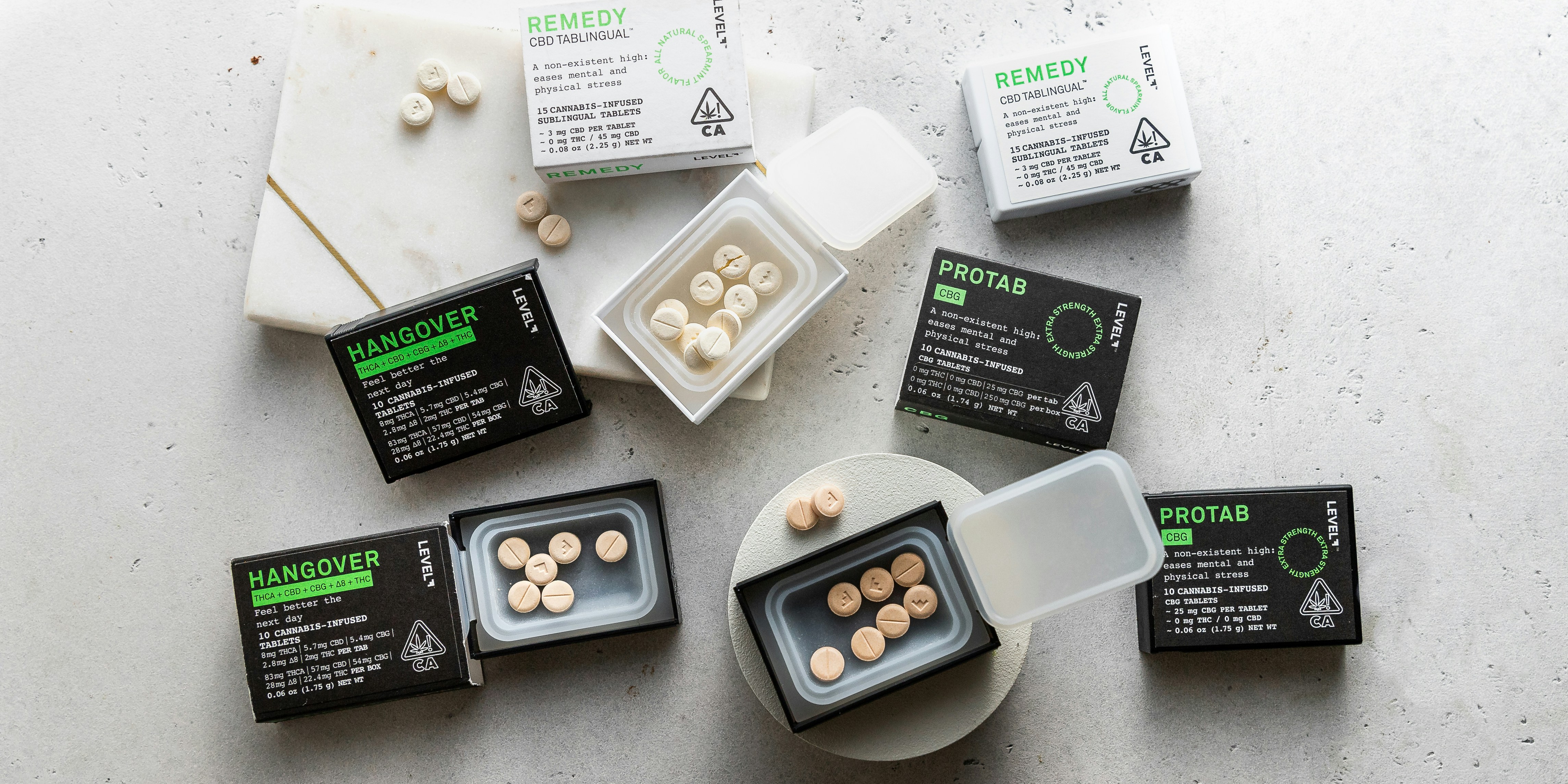
Stepping into the world of THCA can feel a little like opening a map of an unfamiliar city: there are familiar names and new neighborhoods, promises of interesting experiences, and the occasional street sign you don’t understand. This beginner’s guide aims to be your compass.We’ll take a clear-eyed tour of THCA products for sale, translating labels, separating hype from substance, and helping you spot what matters when quality and safety are on the line.THCA-tetrahydrocannabinolic acid-is a naturally occurring cannabinoid found in raw cannabis plant material. It is distinct from THC in its chemical form and effects, and manufacturers are packaging it into tinctures, flower, concentrates, and edibles that look enticing to curious shoppers. Our review-focused approach examines product types, testing transparency, potency claims, and practical buying tips so you can make informed comparisons without wading through marketing buzzwords.
This article does not promote use; rather, it provides neutral, consumer-oriented facts. Because regulations, lab standards, and legal status vary widely, we’ll also highlight red flags to watch for and reccommend when to seek professional or legal guidance. Read on to learn how to evaluate THCA products thoughtfully and safely, whether you’re just exploring or preparing to purchase.

What Is THCA and Why It Matters for Beginners
THCA is the raw, acidic form of the molecule you often hear about in cannabis conversations. In its native state inside fresh plant material it does not produce the psychoactive high commonly associated with cannabis-because it is not the same as THC. Apply heat (a process called decarboxylation) or long-term aging and THCA converts into THC, which is the compound responsible for intoxication. You’ll find THCA in raw flower, cold-extracted concentrates like live resin, and specially formulated tinctures or topicals designed to preserve the acid form.
For someone new to this space, that chemical difference matters more than marketing buzz. THCA is often promoted for non-intoxicating, potentially therapeutic effects, so beginners should pay attention to labeling, lab results, and consumption methods. Some practical takeaways:
- Effects: Non-psychoactive before heating; may offer distinct wellness-focused benefits in early research.
- Consumption: Best used raw, as a cold extract, or in topical applications to avoid conversion to THC.
- Safety: Check Certificates of Analysis (COAs) and avoid assuming “THCA” = “no affect” - individual reactions and impurities matter.
| Property | THCA | THC |
|---|---|---|
| Chemical state | Acidic, raw | Decarboxylated |
| Psychoactivity | Non-intoxicating | intoxicating |
| Common forms | Raw flower, live resin, tinctures | Smoked, vaped, edibles |
Because research on THCA is still emerging, approach new products with curiosity and caution. Start with small amounts, read COAs, and if you have health conditions or take medications, consult a healthcare professional before experimenting. A little knowledge and careful sourcing will make your first experiences safer and more informative.

Forms of THCA Products Explained: Flower, crystals, Tinctures and Topicals
Flower brings THCA in its most familiar form: aromatic buds that preserve the plant’s terpene profile and deliver a ritualistic experience for users who enjoy smoking or vaporizing. It’s a sensory route-think flavor and nuance-with variable potency depending on strain and harvest. Crystals,often labeled as THCA diamonds,are the opposite end of the spectrum: highly purified,nearly crystalline THCA that offers precision dosing and extreme potency. Because THCA converts to THC when heated, methods that apply high heat (dabbing, vaping) will change the compound’s effects-so choose accordingly.
Tinctures and topicals expand the ways to benefit from THCA without relying on combustion. Tinctures (oil or alcohol carriers) are ideal for sublingual dosing or mixing into foods and allow for relatively accurate, incremental dosing. Topicals are applied directly to the skin for targeted, localized effects and typically do not produce systemic intoxication. Both forms are favored when discretion, steady dosing, or localized relief are priorities.
- Flower: flavorful, ritualistic, variable onset (fast with smoking/vaping).
- Crystals: ultrapure, extremely potent, best for precise high-dose needs.
- Tinctures: controlled dosing, versatile, slower onset than inhalation.
- Topicals: localized request, minimal systemic effects.
| Form | Best for | Typical onset | Potency |
|---|---|---|---|
| Flower | Flavor, ritual, fast relief | Minutes | Moderate-High |
| Crystals | Precision dosing, potency | Seconds-Minutes | Very High |
| Tincture | Discreet dosing, longevity | 15-60 minutes | Low-Moderate |
| Topical | Localized relief, non-intoxicating | Minutes-Hours | Low (local) |
Tip: prioritize lab-tested products and start low-adjust method and dose by preference, desired onset, and potency rather than assuming one form fits every need.
Wrapping up
As you close this guide,remember that THCA is one piece of a larger cannabis landscape – intriguing,varied,and still unfolding. Whether you’re drawn to tinctures, flower, or novel infused formats, the best choices come from clear labels, reliable lab results, and sellers who answer your questions without the hype.Take time to match product type to your comfort level, check local laws, and, when in doubt, ask a learned retailer or healthcare professional.Start small, observe how a product affects you, and let experience – not marketing – guide your selections.
Thanks for reading this beginner’s review. Keep exploring with curiosity and caution, and you’ll find the THCA products that fit your needs and values.