
A quiet revolution is unfolding on the shelves of online dispensaries: THCA, the non-intoxicating precursor to THC, is drawing attention from curious beginners, wellness seekers and curious consumers alike.It’s a compound with scientific intrigue and a patchwork of regulations – easy to find in some places, restricted or ambiguous in others – which makes learning where and how to buy it legally just as important as understanding what it is.
This guide will walk newcomers through the legal landscape of purchasing THCA online, spotlighting how to spot reputable sellers, what documentation and testing to look for, and the practical rules that often govern shipment and sale.Whether you’re starting with basic questions or ready to compare vendors, this article aims to demystify the process and help you make informed, lawful choices. Always remember: laws and regulations change,so verify local rules and vendor credentials before you buy.

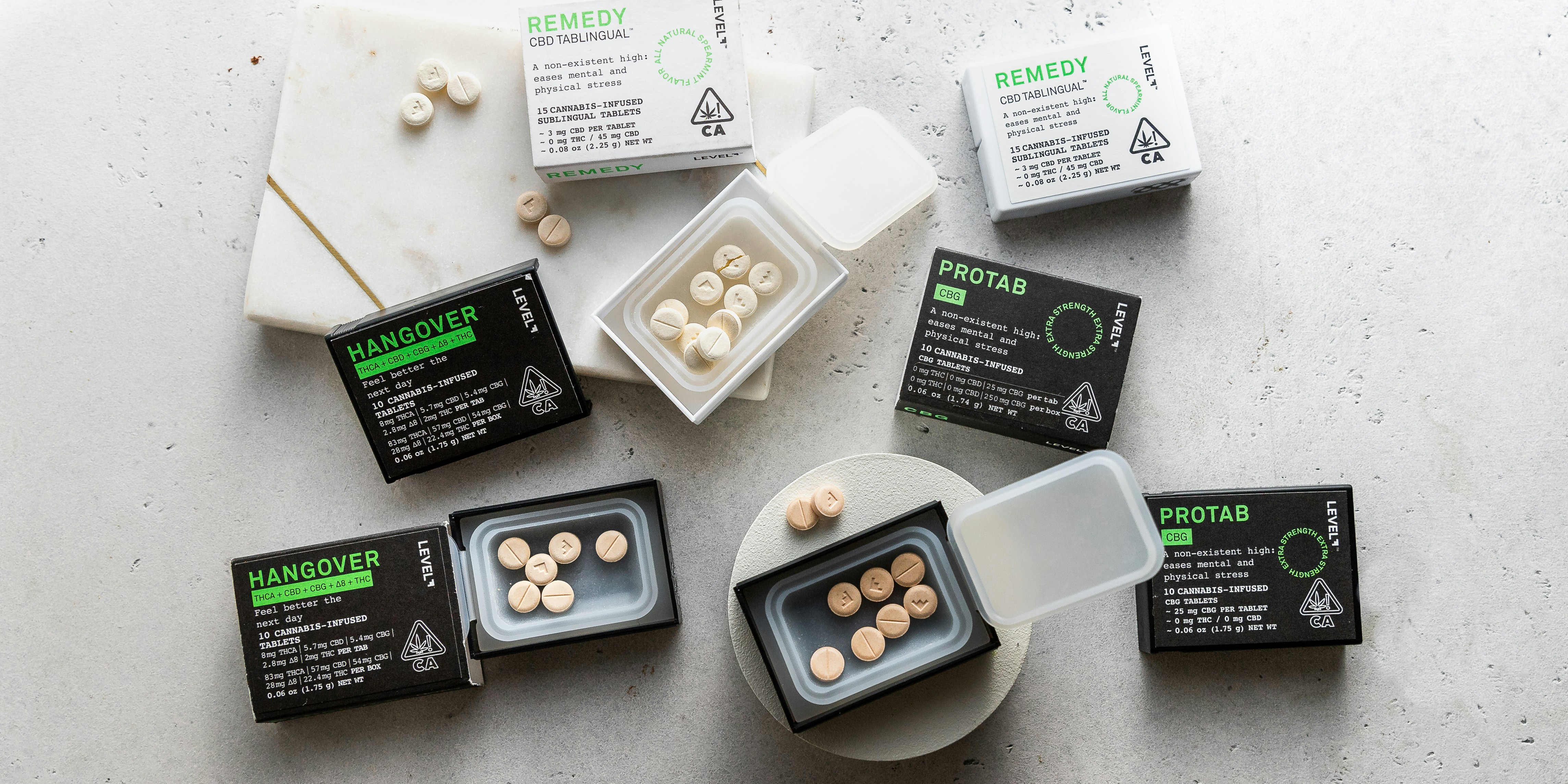
What Is THCA and why its Legal Status shapes Where You Can Buy It Online
THCA is the acidic precursor found in raw hemp and cannabis plants – a molecule that is chemically distinct from the psychoactive compound most consumers know as THC. In its natural state it’s largely non-intoxicating; only through heat or prolonged aging (a process called decarboxylation) does it convert into delta-9 THC. As that chemical relationship affects how regulators classify products, the origin of the plant material and how the product is processed are central to whether an online vendor can legally sell and ship it.
Rules differ widely across borders and even between states, so merchants layer compliance into every sale. Common practices you’ll see from legitimate online sellers include:
- Clear sourcing – labeling whether the THCA is hemp- or cannabis-derived.
- Lab reports (COAs) – third-party testing that shows cannabinoid levels and contaminants.
- Shipping restrictions – automatic blocking of addresses where the product is not permitted.
- Age verification and responsible sales policies to meet local laws.
As the legal picture is fragmented, treat availability as a map rather than a guarantee: one vendor’s checkout may accept your state or country while another’s will not. Below is a swift, example-oriented snapshot of typical regulatory approaches – always confirm local statutes and vendor policies before purchasing.
| Region | Typical approach (examples only) |
|---|---|
| United States | State-by-state rules; hemp-derived products often allowed where Δ9 limits are met. |
| European Union | Country-specific controls; some accept hemp-derived THCA, others restrict cannabinoids. |
| Canada | Regulated under national cannabis laws-commercial sales handled through licensed channels. |
| United Kingdom | Frequently enough treated as a controlled substance when derived from cannabis; commercial sale is restricted. |


Navigating State Laws Versus Federal Rules Before You Place an Order
Federal hemp rules and state cannabis laws frequently enough travel different roads. At the federal level, hemp that tests below a specific delta‑9 THC threshold is treated differently than marijuana, but many states have their own definitions, prohibitions, or additional requirements that can explicitly include or exclude raw cannabinoids like THCA. Because THCA can convert to intoxicating delta‑9 THC when heated, some regulators treat it cautiously – even if a product technically fits the federal hemp definition. think of the law as a patchwork quilt: the pattern changes from state to state, and that affects whether a seller can ship to you and whether you can legally possess the product where you live.
Before you click “buy,” run through a short pre‑order checklist so you’re not surprised by confiscated packages or fines:
- Check your state law – some states explicitly ban THCA or hemp-derived cannabinoids nonetheless of federal rules.
- Confirm delta‑9 limits on the product’s dry weight and whether the vendor reports THCA conversion potential.
- Request a COA (Certificate of Analysis) – self-reliant lab testing proves cannabinoid levels and contaminants.
- Verify shipping policies – reputable vendors list prohibited destinations and carrier restrictions.
- Know the age and ID requirements – possession and purchase ages vary and are strictly enforced.
| Common sign | Quick Meaning |
|---|---|
| Product COA shows <0.3% Δ9 THC | Typically meets federal hemp threshold – still check your state rules |
| vendor refuses to ship to your ZIP | State or carrier restriction – don’t try to circumvent shipping rules |
| Label lists “raw THCA” | May be legal in some places but risky if the state counts THCA as a controlled substance |
Practical ordering tips help bridge the legal gray. Buy from vendors who post clear policies and public lab reports, save order confirmations and COAs, and avoid third‑party relabeling or drop‑shipping that obscures origin. If you’re unsure about how local law treats THCA, a quick call to your state regulator or a consult with a local attorney can save time and trouble – and always prioritize compliance over convenience when legal clarity is fuzzy.
In Retrospect
As you close this guide, remember that finding THCA legally is less about luck and more about informed navigation – reading lab reports like a map, checking state laws like a compass, and choosing vendors by reputation and transparency. The online marketplace can offer safe, lab-tested options, but the route to them requires patience, verification, and a clear understanding of where the law draws the line.If you’re taking the next step, start small: confirm third-party testing, verify seller credentials, review return and shipping policies, and ensure you meet local age and possession rules. When in doubt, reach out to customer service or consult local regulations – erring on the side of legality keeps both you and your purchase secure.
Whether you’re curious, cautious, or already converted, let this guide be the first waypoint on a careful journey. Stay informed, stay legal, and shop with standards that prioritize clarity and safety.