


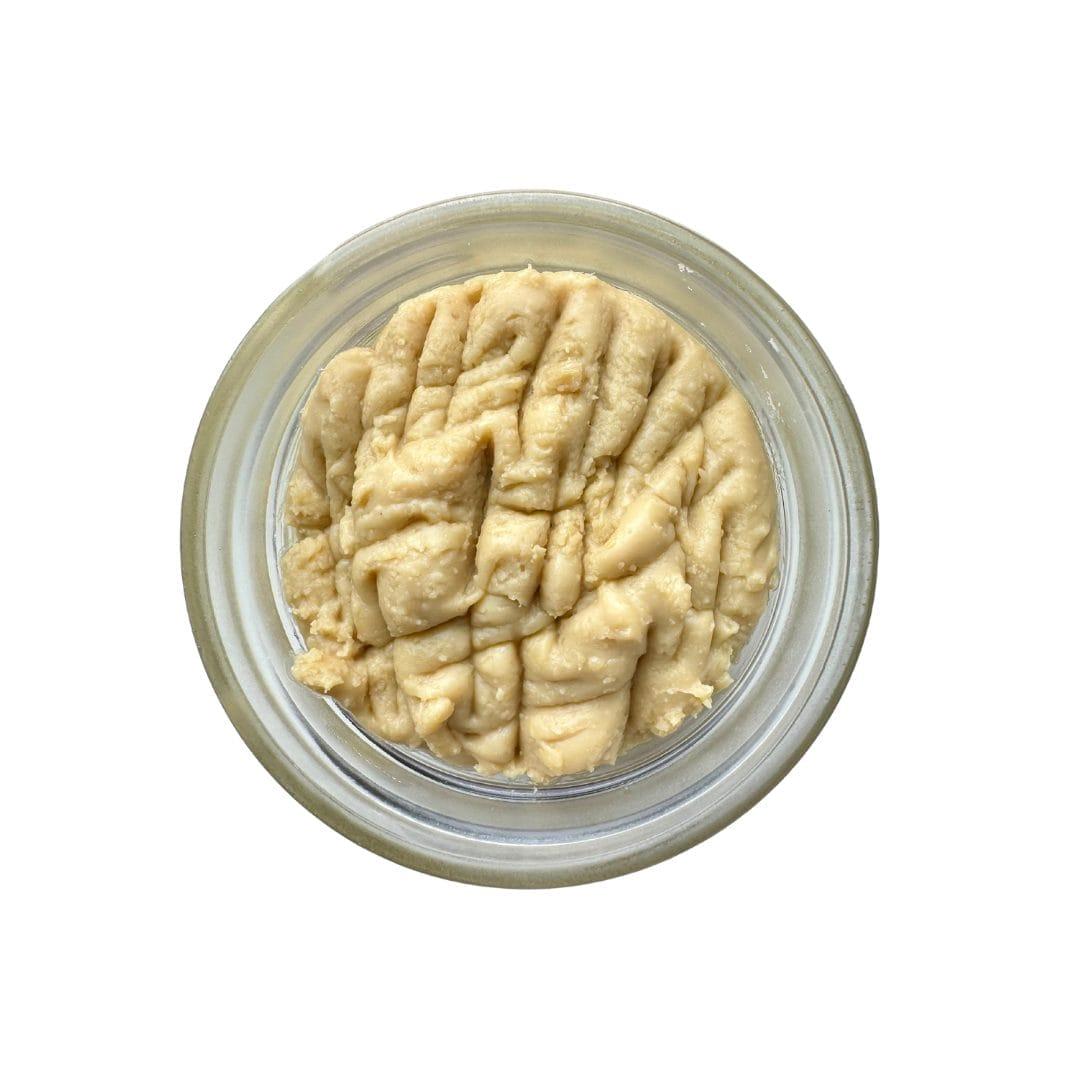
Imagine a close cousin of THC that spends most of its life quietly tucked away inside the cannabis plant, a chemical sleeper that only changes its tune when heat is applied. That is THCA in a nutshell: the raw, acidic precursor to the familiar compound that many associate with cannabis. For beginners, understanding THCA is less about mystique and more about chemistry, context, and choice.
This guide will walk you through what makes THCA distinct – how it forms in the plant, why it behaves differently from THC, and what happens during decarboxylation (the process that converts THCA into THC).Along the way we’ll touch on common consumption methods, how scientific and legal frameworks treat it, and practical considerations for anyone curious about cannabis beyond its intoxicating reputation.No jargon-heavy lectures, just clear explanations to help you tell this quiet compound apart from its louder relative.
The Science Behind THCA: Biochemistry, Nonpsychoactive Properties, and how It converts to THC
THCA exists as the natural, acidic precursor synthesized in the cannabis plant-formed when the foundational molecule CBGA is turned into THCA by the enzyme THCA synthase. Chemically it carries an extra carboxyl group (-COOH), which makes it more polar than its well-known counterpart. That carboxyl group is the key: it changes the molecule’s shape and reactivity, so THCA behaves differently in the body and in lab tests than the decarboxylated compound that many people associate with cannabis’s psychoactive effects.
As of its structure, THCA is commonly described as nonpsychoactive-it has a low affinity for the brain’s cannabinoid receptor CB1 and does not produce the “high” that THC (Δ9-tetrahydrocannabinol) does. Several practical factors influence whether THCA stays inert or becomes psychoactive via conversion into THC:
- Heat and time (the primary drivers of chemical change)
- Light exposure and oxidation
- pH and storage conditions
- Processing methods like vaping, smoking, or culinary heating
When THCA becomes THC it does so through a chemical reaction called decarboxylation: the molecule loses the carboxyl group as CO2, changing its shape and receptor interactions. This reaction can happen slowly at room temperature over long storage times or rapidly with applied heat. Higher temperatures speed conversion but can also further degrade THC into other cannabinoids (for example, into CBN) if overheated. Below is a simple comparison to highlight practical differences between the two molecules:
| Property | THCA | THC |
|---|---|---|
| Psychoactivity | Nonpsychoactive (low CB1 affinity) | psychoactive (high CB1 affinity) |
| Chemical group | Contains carboxyl (-COOH) | Decarboxylated (no -COOH) |
| Common source | Raw flower, fresh extracts | Heated flower, smoked or cooked products |
Understanding this chemistry helps explain why raw cannabis juice or cold-processed extracts deliver different effects than smoked or baked preparations. For anyone exploring cannabinoids,appreciating the molecular switch from THCA to THC clarifies why temperature,storage,and readiness methods matter as much as the plant strain itself.

THCA Compared to THC and CBD: Effects, Onset, and legal Distinctions
Think of THCA as cannabis in its sleepy, raw form: a chemical precursor that wears many of the same molecular features as THC and CBD but behaves differently until it’s activated. In raw plant material THCA is largely non-intoxicating, often sought for potential anti-inflammatory or anti-nausea benefits without the “high.” Unlike THC, which binds more directly to CB1 receptors after decarboxylation, THCA interacts more subtly with the endocannabinoid system and other signaling pathways – a distinction that shapes both user expectations and how products are formulated.
Onset and subjective effects depend heavily on how each compound is consumed. In practice:
- THC: Rapid onset when inhaled (minutes), slower with edibles (1-3 hours); clearly psychoactive.
- THCA: Minimal to no intoxication when eaten raw or juiced; onset for any subtle effects is variable and typically slower than inhaled THC.
- CBD: Non-intoxicating; fast via vaping, slower via edibles; frequently enough used for anxiety, pain, and sleep support.
For a quick at-a-glance comparison, the table below summarizes common distinctions.Note that legal categories are simplified and vary by jurisdiction.
| compound | Psychoactive? | Typical Onset | General Legal note (US) |
|---|---|---|---|
| THCA | No (raw) | Minutes-hours (variable) | Frequently enough legal if hemp-derived and <0.3% Δ9-THC, but check local law |
| THC (Δ9) | Yes | Minutes (inhaled) – hours (edibles) | Federally illegal; state laws vary |
| CBD | No | Minutes-hours | Hemp-derived CBD generally legal federally, with exceptions |
If you’re experimenting, remember that heat changes everything: smoking, vaping, or baking converts THCA into THC and brings psychoactivity into play. Always read lab reports, start low and go slow with new forms, and confirm local regulations before buying or traveling with any cannabis-derived product.

How to Use THCA Safely: Raw Consumption, Decarboxylation, Vaping, and Infusions
Fresh, raw consumption of THCA-through juicing or eating minimally processed plant material-keeps the molecule in its acidic form and typically avoids the psychoactive effects associated with THC. Because the plant is consumed intact, the experience is subtle and variable; quality and cleanliness matter.Always source from reputable suppliers, rinse plant material thoroughly, and verify lab-tested cannabinoid profiles and contaminant screening before consuming any raw cannabis product.
When heat is introduced,THCA can convert into THC,which brings stronger psychoactive effects and legal considerations. if you prefer activated products, the safest route is to purchase them from licensed producers who follow regulated processes and accurate labeling. Avoid attempting on-the-spot activation methods if you’re unsure of the legal status where you live or unfamiliar with safe handling-check local laws and consider professional guidance to prevent unintended intoxication.
Vaping and infused products offer different onset times and intensity. Vaping can deliver rapid effects and greater control when using a quality device and well-tested concentrates, while infusions (tinctures, edibles, topicals) produce longer-lasting and often stronger experiences if decarboxylation has occurred during preparation.To reduce risk,follow harm-reduction practices such as:
- Start low and go slow-use small amounts and wait sufficiently to understand how you respond.
- Use only lab-tested products from trusted vendors; avoid homemade extracts unless you’re certain of safety and legality.
- avoid mixing with alcohol, sedatives, or other substances that increase impairment.
- Keep out of reach of children and pets-clearly label and store securely.
- Consult a healthcare professional if you take medications or have underlying health conditions.
| Consumption Type | Typical Onset | Psychoactivity Risk |
|---|---|---|
| Raw (juicing / fresh) | Gentle,variable | Low (non-activated) |
| Vaping | Fast | Moderate to high (if activated) |
| Infusions (edibles/tinctures) | Slow to delayed | Variable; often higher if decarboxylated |
Reading Lab Reports and Verifying Purity: What Tests Reveal About THCA Products
Think of a COA (certificate of Analysis) as the product’s fingerprint: it names the lab,lists the batch number and date,and shows the analytical methods used. The cannabinoids panel is usually front and center – you’ll see THCA reported as a percentage or mg/g, alongside delta‑9 THC, CBD, and other cannabinoids. Labs often include a “total THC” figure calculated from THCA (commonly using the conversion factor 0.877). Pay attention to the units, the limits of quantification (LOQ), and whether values are reported as “ND” (non‑detect) or as trace amounts; those details change how you interpret potency and compliance.
Purity is revealed by a suite of targeted tests that go far beyond potency. Common assays include residual solvent screening by GC‑MS, pesticide panels by LC‑MS/MS, heavy metal analysis via ICP‑MS, and microbial/mycotoxin checks. Look for these core items:
- Residual Solvents: Ensures no harmful extraction solvents remain.
- Pesticides: Detects agricultural chemicals that shouldn’t be present.
- Heavy Metals: Tests for lead, arsenic, cadmium, and mercury.
- Microbials/Mycotoxins: Confirms absence of mold, yeast, and hazardous toxins.
Each test tells a different story about safety and processing quality – a clean cannabinoid profile with failing solvent or pesticide results is still a red flag.
To make quick sense of lab findings, this mini‑table summarizes what each test reveals and why it matters:
| Test | What it Reveals |
|---|---|
| Cannabinoids Panel | potency, THCA vs Δ9 THC, overall cannabinoid balance |
| Residual Solvents | Extraction cleanliness and inhalation safety |
| Pesticides & Metals | Contamination from farming or processing |
Before you buy, use a few practical checks: verify the lab is accredited (ISO/IEC 17025), ensure the COA matches the product batch or has a scannable QR code, and confirm testing dates are recent. Watch for hazards like missing method descriptions, COAs that lack signature or lab seal, or results that list lots of “ND” without detection limits. A trustworthy vendor welcomes questions and posts full, readable reports – that transparency is frequently enough more informative than any marketing claim.
Choosing the Right THCA Product: Labels, Extraction Methods, and Beginner Dosage recommendations
Read the label like a detective. Look for a clear cannabinoid breakdown (THCA percentage or mg per serving), a visible batch number and a blue-chip Certificate of Analysis (COA) link or QR code proving third‑party lab testing. Labels that state “full‑spectrum” versus “isolate” tell you whether minor cannabinoids and terpenes are present – an vital clue to the product’s overall character. Also note serving size,recommended use,and any solvent or carrier oils listed; these small details reveal a lot about manufacturing quality and what you’re actually consuming.
not all extraction methods are created equal. Extraction determines purity,flavor,and price. Common approaches include:
- CO2 extraction – clean, scalable, preserves terpenes; often the industry standard for quality products.
- Ethanol extraction – efficient for full‑spectrum extracts; can retain plant compounds well when properly purged.
- Hydrocarbons (butane/propane) – great for flavorful concentrates but demands reputable purging and testing to avoid residues.
- Rosin/solventless – heat and pressure only; prized for purity and artisanal appeal, though typically pricier.
When choosing,prioritize products with obvious testing and a clear process description – that’s the best proxy for safety and consistency.
Start low, wait, then adjust. For beginners,a conservative approach is wise: begin with a small amount and track effects before increasing. Remember that heating THCA (smoking/vaping) decarboxylates it into THC and produces rapid onset, while unheated formats (raw tinctures or capsules) may act differently. Typical starter ranges to consider:
| Form | Typical Onset | Beginner Dose |
|---|---|---|
| Vape/flower | Within minutes | 0.5-2 inhalations (assess) |
| Tincture (sublingual) | 15-45 minutes | 2.5-5 mg THCA per dose |
| Edible/capsule | 30-120 minutes | 2.5-5 mg (wait 2 hours before redosing) |
Practical safety tips: keep a usage log for dose and effects, favor products with coas, store away from children and pets, and be mindful of local laws. If you’re on medications or have health concerns, consult a healthcare professional before experimenting. A cautious, informed approach will make finding the right THCA product far more enjoyable and predictable.
Practical Tips and Routines for Beginners: Microdosing,Combining Cannabinoids,and tracking Outcomes
Think of a beginner routine as a gentle laboratory: your body is the experiment,and patience is the protocol. Start low, go slow – for many people that means beginning with tiny amounts (often in the 1-5 mg range when using measured tinctures or capsules) or a single light inhale of raw flower. Keep the method consistent for at least 3-5 days before changing dose so you can tell whether a shift in effects comes from the compound or from natural variance. Use simple tools – a digital scale, pre-dosed droppers or vape cartridges – to make repetition accurate and stress-free.
Combining cannabinoids is about balance rather than stacking.THCA + CBD often produces a calmer, more tolerable profile than THCA alone, while adding terpenes like myrcene or limonene can nudge experiences toward relaxation or alertness. Choose full-spectrum products if you want an “entourage” effect, or isolates if you need to control variables. For beginners, try a 1:1 CBD:THCA starting ratio or favor CBD slightly higher (e.g., 2:1) if you prefer less stimulation; note how different vehicles (tincture vs. edible vs. inhalation) change onset and duration.
Build simple, repeatable routines around daily rhythms: a tiny morning dose for mood calibration, a low evening dose to test effects on sleep, or situational microdoses before social or creative tasks. Track context as closely as dose – took it with food, after exercise, or during a stressful meeting – because those variables shape outcomes. Helpful metrics to record include:
- Dose & method (mg, tincture/vape/edible/topical)
- Time of day and activity
- Perceived effect on a 1-10 scale (mood, focus, pain, anxiety)
- Side notes (sleep quality, appetite, unexpected reactions)
Below is a tiny sample microdosing schedule you can copy and adapt – short, clear, and designed to reveal trends rather than promises.
| Day | Dose | Method | Observed Effect (1-10) |
|---|---|---|---|
| Mon | 2 mg | Tincture (sublingual) | 4 (calm) |
| Wed | 3 mg | Vape (single puff) | 5 (focus) |
| Fri | 2 mg + 4 mg CBD | tincture | 6 (relaxed) |
After one to two weeks, review your notes for patterns – which doses and combos helped, which didn’t – and adjust in small increments. The most useful routine is the one that helps you learn about your responses without overwhelming them.
Insights and Conclusions
THCA may not steal the spotlight the way THC does, but as this guide shows, it’s an intriguing part of the cannabis story – a quiet precursor with its own chemistry, potential benefits, and legal quirks. For beginners, the important takeaways are simple: THCA is prevalent in raw plant material, behaves differently from THC in its natural form, and sits at the crossroads of science, regulation, and consumer curiosity.
If you’re exploring products or research, do so with patience. Read labels carefully, consult reliable sources (and health professionals when appropriate), and stay aware of local laws. Scientific understanding of THCA is still developing, so being cautious and informed will serve you better than impulse.
Whether you’re a curious reader or someone considering THCA-containing products, remember that knowledge is the best tool. Keep asking questions, follow the research as it evolves, and let thoughtful consideration guide how – and whether – THCA fits into your approach.
