


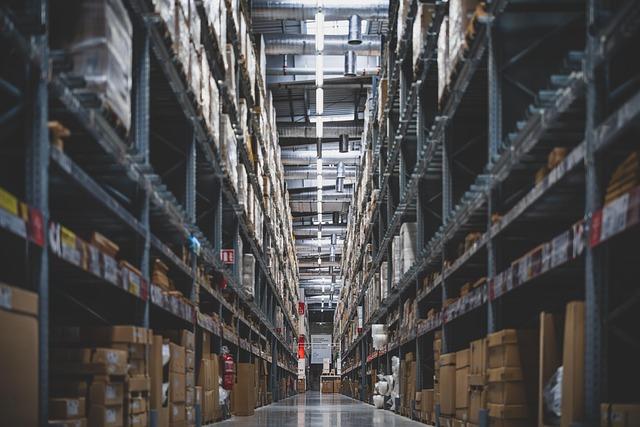
A new kind of demand is shaping the cannabinoid marketplace: not single grams tucked into a glass jar, but industrial-sized kilos of THCA moving through logistics networks with the same urgency as any high-turn consumer good. Whether for research, product formulation, or wholesale distribution, buyers are increasingly prioritizing two things above all else-consistent bulk supply and shipping that keeps pace.
But the landscape is anything but simple. THCA sits at the crossroads of evolving science, patchwork regulations, and a supply chain that spans licensed cultivators, processors, and third‑party distributors. That makes the question “where to buy today” as much about quality, compliance, and provenance as it is about price and transit times.
This article will map that terrain: what bulk THCA buyers should consider, how fast‑shipping options fit into legal and logistical realities, and the practical checkpoints to verify before placing a large order. the aim is to give readers a clear, levelheaded starting point for sourcing bulk THCA in today’s complex market.

How to Assess Purity and Potency: Interpreting Lab Results and spotting Common contaminants
When you scan a lab report, start by locating the Certificate of Analysis (COA) and the specific batch number.Look for cannabinoid profiles displayed as percentages or mg/g – the label should clearly separate THCA from delta-9 THC and show a total cannabinoid percentage. Pay attention to reporting limits like LOD (limit of detection) and LOQ (limit of quantitation): values reported as “ND” (not detected) are different from values reported below the LOQ. A trustworthy COA will include test dates, the lab’s accreditation (often ISO 17025), and clear units so you can compare potency across suppliers.
Contaminant screening is as critical as potency. common culprits include pesticides,heavy metals (lead,arsenic,cadmium,mercury),residual solvents from extraction,and microbial contaminants (E. coli, Salmonella). Before buying, verify that each contaminant test shows results under applicable action limits and that the report includes the analytical method used (e.g., GC-MS, LC-MS/MS). Red flags include missing methods, no batch traceability, or a COA that lacks a lab stamp or analyst signature.
- Pesticides - look for specific analytes and whether results are under regulatory thresholds.
- Heavy metals – check both concentration and the units; parts-per-million (ppm) vs parts-per-billion (ppb) matter.
- Residual solvents – note the solvent types (butane, ethanol, hexane) and their limits.
- Microbial – absence of pathogenic bacteria is essential for inhalable or ingestible products.
| Contaminant | Typical Limit | Detection Method |
|---|---|---|
| Pesticides (sum) | < 1 ppm | LC-MS/MS |
| Lead | < 0.5 ppm | ICP-MS |
| Residual Solvents | < 500 ppm (varies) | GC-MS |
| Microbial Pathogens | Not Detected | Culture / PCR |
interpreting potency also requires math and healthy skepticism.Convert THCA to its THC potential using the standard factor (multiply THCA by 0.877) if the COA doesn’t provide total THC; than add delta-9 THC for a realistic potency estimate. Be wary of COAs that show extraordinarily high single-compound purity without chromatograms or raw data – forged or cherry-picked reports often omit retention times, internal standards, or replicate analyses. Trust reports that include chromatograms, method details, and an accredited lab stamp; when in doubt, ask the supplier for raw data and cross-check batch numbers to spot inconsistencies.

Pricing, Bulk Discounts, and Negotiation Tips to Secure the Best Deal Without Sacrificing Safety
In today’s fast-moving market, unit price is only one piece of the puzzle. You can shave dollars off the per-gram or per-kilogram cost by committing to larger volumes, but the real value comes from predictable quality and reliable documentation. Prioritize suppliers who publish clear COAs and batch traceability; a slightly higher invoice that includes third-party testing and compliant packaging often saves you far more in avoided recalls or rejections than the cheapest quote.
| Order Size | Indicative Price / kg | Estimated Savings |
|---|---|---|
| 1-5 kg | $3,800 | – |
| 5-25 kg | $3,200 | ~15% |
| 25-100 kg | $2,600 | ~32% |
| 100+ kg | $2,250 | ~41% |
When entering price conversations, come prepared and be strategic.Consider these negotiation levers to lower cost without cutting corners:
- Request a sample batch and a full COA before pricing talks continue – no sample, no deal.
- Ask for bundled services (testing, custom packaging, consolidated shipping) – sellers often discount when they handle more of the logistics.
- Propose staged purchases or a trial order with price adjustments for long-term contracts; this reduces your risk while giving leverage to secure better terms.
- Negotiate payment terms (net 30/60 or escrow arrangements) to improve cash flow instead of asking for lower unit price immediately.
Never trade safety for a few percentage points off price. Insist on independent lab verification, sign-off clauses in the purchase agreement for out-of-spec material, and include inspection duties on receipt. Build a written cadence for quality reviews and supplier performance checks – then use positive history to renegotiate rates. In short: document agreements, inspect every shipment, and let proven quality be your strongest bargaining chip.
Concluding Remarks
as the search for bulk THCA and fast shipping narrows from vague options to a shortlist of possibilities, the smartest step isn’t rushing-it’s researching. Prioritize vendors who show obvious lab results, clear shipping policies, and respect for the legal patchwork that governs cannabinoids. Quality, compliance, and customer service matter more than the lowest price when you’re buying at scale.
If you’re unsure about local rules or the product’s intended use,pause and consult a legal or industry professional. Start with small test orders where possible, verify certificates of analysis, and keep records of communications and receipts. These cautious habits protect your investment and your reputation.
The market moves quickly, but good decisions don’t have to. With a careful eye and a measured approach, you can find a supplier that balances speed with responsibility-letting you get what you need without unnecessary risk.