



The market for cannabinoid products has expanded into a crowded online marketplace where similar names and subtle chemical differences can make a big difference to shoppers. Among the options, THCa-tetrahydrocannabinolic acid-has emerged as an intriguing alternative to familiar Delta compounds, promising distinct properties and a different legal and consumption profile. Whether you’re a curious newcomer or a seasoned user exploring alternatives, understanding what sets THCa apart from Delta-8, Delta-9, and other cousins is essential before clicking “buy.”
This article guides readers through that comparison without hype: we’ll map the practical differences in chemistry, effects, sourcing and testing, and the legal patchwork that governs online purchases. Think of it as a neutral compass for navigating product claims, lab reports, and vendor reputations-so you can make an informed choice that matches your priorities for safety, legality, and experience.

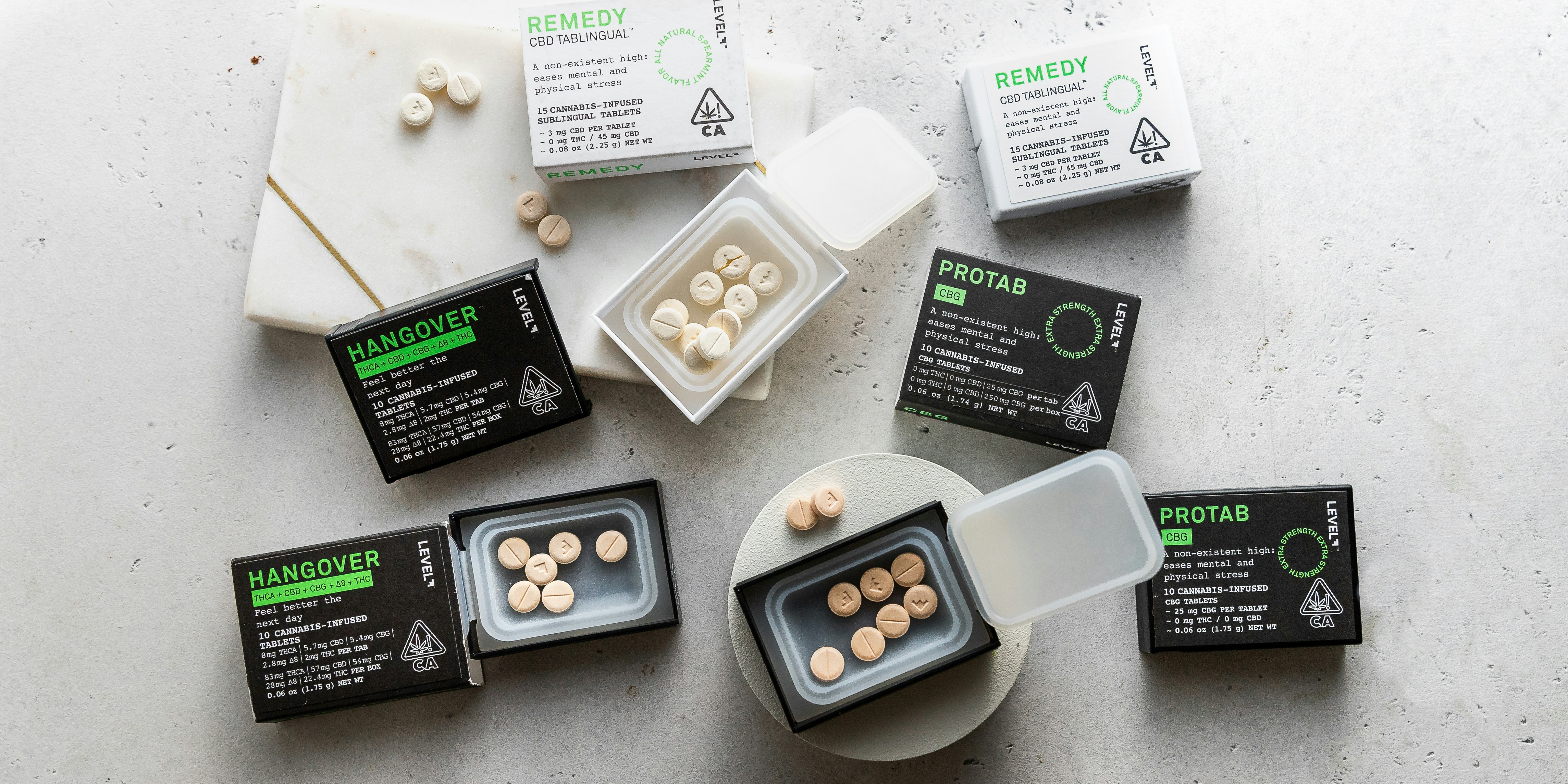
Understanding THCa Versus Delta Compounds: Chemistry, Effects, and Legal Nuances
At the molecular level these molecules tell different stories. THCa is the acidic precursor found in fresh cannabis and hemp flower; it carries an extra carboxyl group that prevents it from producing the classic “high” until heat or time removes that group through decarboxylation. The so‑called delta compounds are structural isomers-moast familiarly delta‑9 and delta‑8-with the location of a single double bond changing how they interact with CB1 receptors. Those slight chemical shifts translate into noticeable differences in potency, onset, and subjective effects.
How those differences translate into user experience depends on form and preparation. THCa is often consumed raw or cold-processed for non‑intoxicating therapeutic interest, while delta variants are typically activated or synthesized and leaned on for recreational or symptom‑relief effects. Rapid practical points many shoppers ask about include:
- activation: THCa needs heat (smoking, vaping, baking) to become intoxicating THC.
- Psychoactivity: Delta‑9 is generally strongest; delta‑8 tends to be milder but still psychoactive.
- Use cases: THCa for raw/anti‑inflammatory potential; deltas for mood,appetite,and short‑term symptom relief.
The legal map is patchy and evolving. Hemp laws and the 0.3% dry‑weight threshold created pathways for hemp‑derived delta products, but manufacturers, regulators, and courts have disagreed about synthesized or converted cannabinoids. THCa often sits in a gray zone-non‑intoxicating in plant form but subject to different rules once decarboxylated-so labeling, third‑party lab reports, and obvious sourcing become essential. When comparing options, prioritize vendors that publish Certificates of Analysis and clearly state whether a product is raw, activated, or synthesized.
| Compound | Activation | typical Effect |
|---|---|---|
| THCa | No (raw) / Yes (when heated) | Non‑intoxicating raw; can become psychoactive |
| Delta‑9 | Active as found in decarbed flower | Strong psychoactivity, classic THC effects |
| Delta‑8 | Active (often derived from CBD) | Milder, longer‑lasting psychoactive effects |


Comparing Onset, Duration, and Potency of THCa and Delta Alternatives Across Use Cases
THCa often sits in a different category because, in its raw form, it is largely non-intoxicating until heat converts it to THC. By contrast, the family of “delta” options (Delta‑9, Delta‑8, Delta‑10 and other hydrogenated analogs) are designed to deliver psychoactive effects with varying intensities. In practical terms, the same product can feel very different depending on whether you inhale, ingest, or use sublingual formulations – so consider both the molecule and the delivery method when thinking about onset, duration, and perceived potency.
Use cases map neatly onto routes of governance. For fast, controllable experiences – think daytime dosing or short creative bursts – inhalation of a delta product offers the quickest onset (minutes) and shorter duration (1-3 hours). Edibles and capsules suit slow-build, long-lasting sessions (30-120 minutes onset, 4-8+ hours duration) and tend to feel stronger per milligram. For those wanting minimal intoxication but potential entourage effects,THCa flower or cold-extract concentrates are used raw or lightly heated; they are favored for microdosing or users avoiding strong psychoactivity. Quick reference:
- Inhalation – rapid onset, short duration; better for microdoses or on-demand effects.
- Edibles – delayed onset,extended duration; suited for overnight or long social events.
- Sublingual/Tincture – moderate onset, medium duration; a middle ground for steady control.
- Topical/Raw THCa – localized or non-intoxicating use cases; minimal systemic psychoactive impact unless heated.
| Compound | Typical onset | Typical Duration | relative Potency |
|---|---|---|---|
| THCa (raw) | Minimal when raw; converts if heated | Non‑intoxicating unless decarbed | Low (pre‑conversion) |
| Delta‑8 | Inhale: 5-15 min; Edible: 60-150 min | 2-6 hours | Mild-Moderate |
| Delta‑9 | Inhale: 2-10 min; Edible: 30-120 min | 3-8+ hours | high |
| Delta‑10 | Inhale: 5-20 min; Edible: 60-180 min | 2-5 hours | Mild |
selecting between thca and delta alternatives comes down to whether you prioritize fast control, long duration, or minimal intoxication. Match the molecule to the occasion – short vape sessions for quick adjustments,edibles for extended coverage,and THCa products when you want a gentler or non‑intoxicating profile unless you intentionally decarboxylate. Experiment slowly and compare effects across routes to find the sweet spot for each use case.
Wrapping Up
As you step back from the fine print and the product pages, the landscape of online THCa and its delta alternatives resolves into a few clear horizons: chemistry and effect profiles differ, lab testing and transparency set trustworthy sellers apart, and legality and personal health needs should guide every purchase.What began as a tangle of labels-THCa, delta-8, delta-9-now reads like a menu of distinct choices rather than interchangeable options.
When comparing vendors, let the evidence be your compass: prioritize up-to-date certificates of analysis, clear sourcing and extraction methods, responsive customer service, and a local-legal check before you click “buy.” Balance price against quality, and don’t hesitate to ask questions or consult a professional if you have health concerns. A cautious, informed shopper is the one most likely to get the experience they expect.
Whatever path you choose through the delta maze, move forward with care and curiosity. The right alternative is the one that fits your needs, your values, and the rules where you live-so shop wisely, read thoroughly, and keep the conversation about safety and transparency open.
