



A pale green capsule of information: THCA has quietly moved from the scientist’s notebook onto the digital storefront, drawing curiosity from people who want the cannabis experience with a modern twist. Whether you’re intrigued by THCA’s chemical relationship to THC, exploring option recreational options, or simply trying to make sense of an expanding online marketplace, the choices and questions can pile up fast.
This guide walks the line between curiosity and caution. You’ll get a clear, nonjudgmental look at what THCA is, how it differs from THC, and why some consumers seek it out for recreational use. We’ll also outline the range of products you’ll encounter online, summarize reported effects and possible side effects, and flag the legal and safety considerations that matter before making any decision.
Think of this introduction as a map: it won’t tell you which path to take, but it will show the terrain – the science, the marketplace, and the precautions – so you can make informed, responsible choices that fit your local laws and personal boundaries.

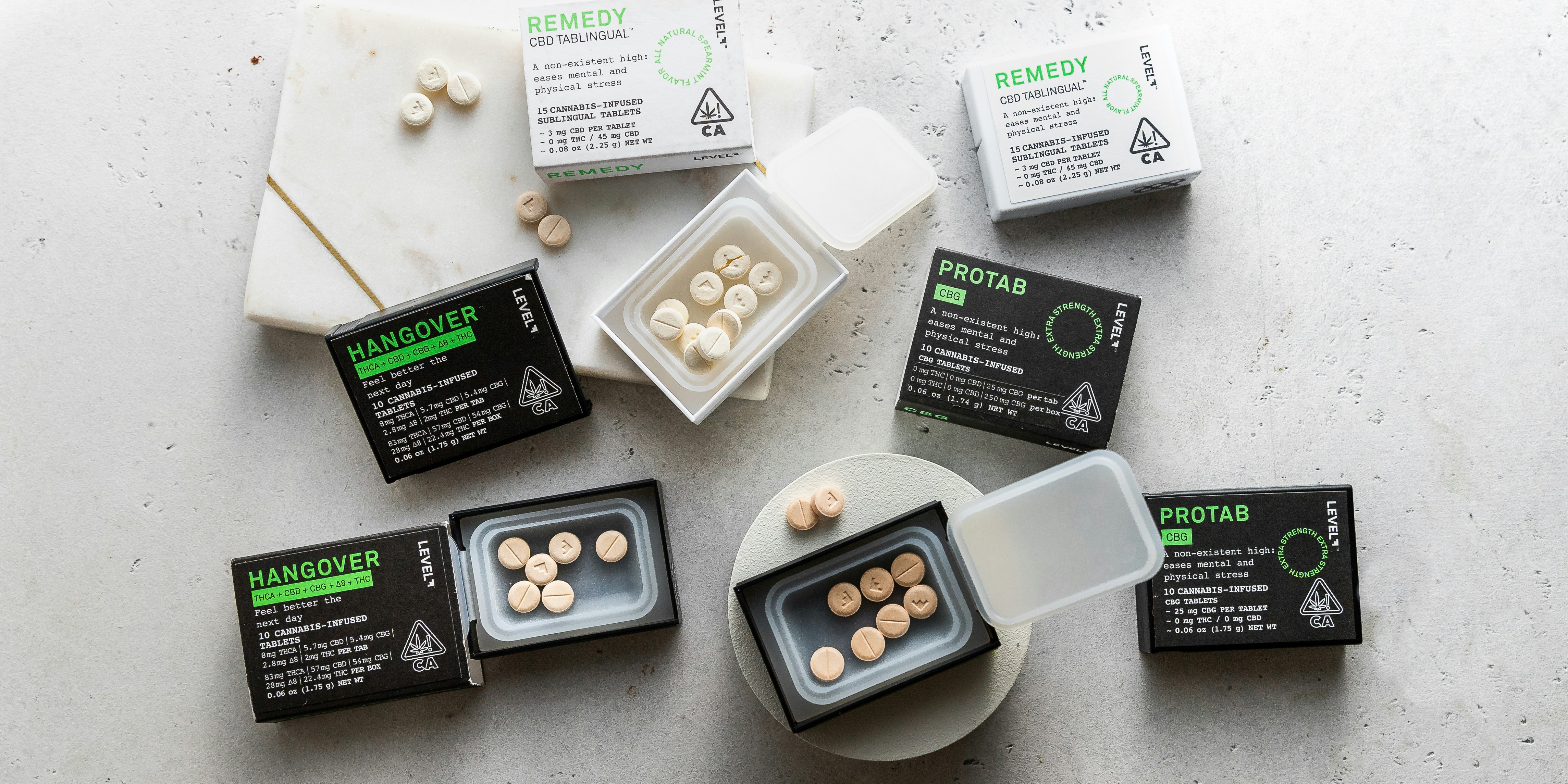
What THCA Is and How It Differs From THC for Recreational Users
THCA is the acidic precursor to the familiar psychoactive compound people seek from cannabis. In the plant, it exists primarily as a raw, non-psychoactive molecule that only becomes the intoxicating form after losing a small chemical group-through decarboxylation, which typically happens with heat. For recreational users this distinction is practical: fresh flower, juices, or cold-extracted products can contain high levels of THCA without producing the heady high associated with heated THC.
- Psychoactivity: THCA is non‑intoxicating in it’s native state; THC is intoxicating once THCA is converted.
- Activation: Heat from smoking, vaping, or cooking triggers conversion; consuming raw material generally does not.
- Onset & duration: Converted THC behaves like typical inhaled or ingested THC (faster onset when inhaled); raw THCA produces little to no “high.”
- Labeling & testing: Product labels often show both THCA and THC numbers-know that THCA can translate into more THC by weight when activated.
When shopping online, look for clear Certificates of Analysis (COAs) that list THCA and THC separately, plus testing for contaminants. Many vendors will also show a calculated “THC potential” number based on conversion, which can help set expectations without needing detailed chemistry. Keep in mind legal nuances: some jurisdictions regulate THCA similarly to THC,so check local rules before purchasing.
| Attribute | THCA | THC |
|---|---|---|
| Typical form | raw plant / cold extracts | Decarboxylated product / smoke |
| Psychoactive? | No (until heated) | Yes |
| how it’s used recreationally | Specialty products, tinctures, or transformed by heat | Smoking, vaping, edibles |


Choosing Product Types and Dosing Strategies for Responsible Use
Different delivery methods change the whole experience. Flower and concentrates that are heated convert THCA to THC almost instantly, producing fast onset and shorter peak effects - ideal for users who want immediate, controllable results. Sublingual tinctures and vape pens can offer more predictable absorption than smoking, while edibles (or decarbed capsules) produce a slower, longer-lasting effect that can surprise inexperienced users. Whatever you choose, pick products with clear lab labels that state cannabinoid content and whether the THCA has been decarboxylated; unheated THCA products rarely cause intoxication until heat converts them to THC.
Practical dosing starts with a conservative mindset: small, measurable amounts and patient observation. Begin with a microdose and wait-this is especially critically important for edibles, which can take 1-2 hours or more to peak. Keep a simple log of dose, product type, time, and subjective effect to refine your personal sweet spot. Below are fast, general comparisons to help orient choices (values are illustrative and should be checked on product lab sheets):
| Product | Typical Onset | Duration | Starter Dose |
|---|---|---|---|
| Heated Flower / Vape | 2-10 minutes | 1-3 hours | 1-2 small inhales |
| Tincture (sublingual) | 15-45 minutes | 3-6 hours | 2.5-5 mg eq. |
| Edibles / Capsules | 60-120 minutes | 6-12 hours | 2.5-5 mg eq. |
| Topical / Raw THCA | Varies (non-intoxicating) | Local effects | Use as directed |
Key harm-reduction tips:
- Start low, go slow. Increase in small increments only after waiting the full expected onset window.
- Measure precisely. Use milligram-labeled products or calibrated droppers-guesswork invites surprises.
- Avoid mixing depressants. Don’t combine with alcohol or sedatives until you know your response.
- Store safely and comply legally. Keep products away from children and pets and follow local regulations.


Shipping Storage Return Policies and Red Flags to Avoid
Ordering online means you’ll want clarity on how your package gets to you. Look for sellers that offer discreet, tracked shipping, clear expected delivery windows, and age-verification at checkout. International shipments can be delayed or seized depending on local rules, so prefer vendors that state their geographic limits and customs policies upfront. If a shop insists on only one vague courier or refuses to provide a tracking number,treat that as a warning sign.
How you store THCA products directly affects freshness. Keep products in a cool, dark, and dry area away from direct sunlight and heat sources; glass, airtight containers are usually best. Different formats behave differently – concentrates and tinctures tolerate time better than loose flower – but all benefit from reduced oxygen exposure.
- Temperature: stable, below room temperature when possible.
- Light: opaque containers or dark cupboards.
- Moisture: use desiccants for flower; avoid humid spots.
- Labeling: note reception date and batch number for rotation.
Before completing any purchase, scan the returns and quality assurances like you would for any specialty product. A reputable vendor posts a clear refund or exchange window, publishes batch-specific lab certificates, and supplies straightforward contact details. Absence of these, sudden policy changes, or unusual restocking fees are common red flags.
| Red Flag | Why it matters |
|---|---|
| No lab results | You can’t verify potency or contaminants |
| No tracking provided | Higher chance of loss or fraud |
| Vague return terms | Limited recourse if product is faulty |
- Quick check: verify COA date, ask about shipping carriers, and test their support response time before buying.
- Trust your instincts: unrealistic pricing, pressure to buy fast, or hidden fees usually point to poor practices.
Wrapping Up
As you close this guide, remember that exploring THCA is less like following a recipe and more like navigating a shifting landscape: effects, laws, and quality standards change with location and method. If you choose to engage, do so informed-know the science behind the compound, check local regulations, and prioritize lab-tested products and clear labeling. Respect your own tolerance, seek reputable sources, and talk with a healthcare professional if you have questions about interactions or health risks. Responsible curiosity, careful sourcing, and moderation will keep the experience safer and more predictable.Whatever path you take, let knowlege and caution be your compass.