


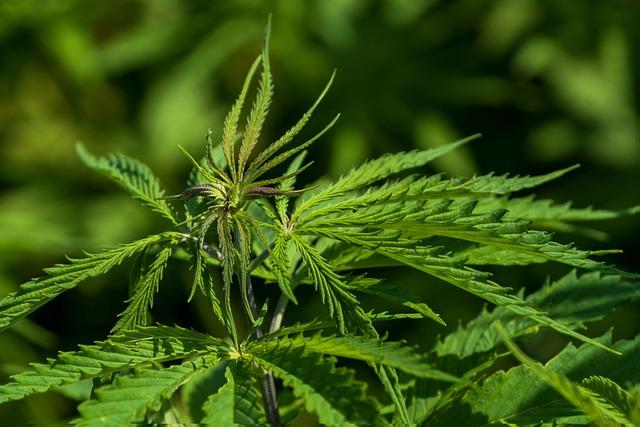
In an age were quiet has become a scarce commodity, many are turning to science for new routes back to calm. One of the quieter stories emerging from cannabinoid research centers on THCA – the non-intoxicating, acidic precursor to THC found naturally in raw hemp. Unlike its famous derivative, THCA does not typically produce a “high,” yet it has captured attention as researchers and consumers alike ask whether it might influence the biology of stress and anxiety in meaningful ways.
The connection between hemp-derived compounds and mood regulation is complex. Early laboratory and animal studies hint at multiple mechanisms – interactions with the endocannabinoid system,modulation of inflammatory pathways,and activity at diverse receptor types – that could plausibly affect anxiety-related processes. At the same time, human data are sparse, anecdotal reports vary, and legal and commercial frameworks for hemp products are evolving.That mix of intriguing signals and clear unknowns has produced both curiosity and caution.
This article steps into that space of promise and uncertainty. We’ll survey what the current science actually shows about hemp-derived THCA and anxiety,outline plausible biological mechanisms,note the limits of the evidence,and highlight the safety,legal,and research gaps that need answering before confident conclusions can be drawn. The goal is to provide a clear, balanced introduction to an emerging topic where curiosity outpaces consensus.
From Plant to Calm: How THCA Differs from THC and Interacts with the Endocannabinoid System
THCA is the botanical whisper of cannabis-the acidic precursor that lives on the plant before heat transforms it. Unlike its famous sibling, THC, THCA is largely non-intoxicating in its raw form as it carries an extra carboxyl group that prevents it from activating the brain’s classic psychoactive pathways. When the plant is heated or aged, that carboxyl group is released through decarboxylation and THCA converts into the more familiar, psychoactive THC.
Rather than slotting neatly into the CB1-receptor role that explains much of THC’s brain effects, THCA appears to interact with the body’s regulatory networks in more subtle and diverse ways. Studies and early laboratory work suggest mechanisms such as:
- Weak CB receptor interaction – limited direct activation of CB1/CB2 compared with THC.
- Ion channel modulation – influence on TRP channels that affect sensory and inflammatory signaling.
- Enzymatic and inflammatory pathways – potential modulation of COX enzymes and other mediators.
| Property | THCA | THC |
|---|---|---|
| Psychoactivity | Non-intoxicating | Intoxicating |
| Activation | Raw plant / decarboxylation converts it | Active after decarboxylation |
| Receptor affinity | Low CB1/CB2 affinity | High CB1 affinity |
For those curious about using hemp-derived THCA, practical options include raw preparations-juiced leaves, cold-extracted tinctures, and some specialized formulations-that preserve the acidic form. Keep in mind that research is still emerging: evidence points to interesting interactions with the endocannabinoid system, but conclusions about effects and safety are preliminary. Always consider product sourcing, labeling, and legal context, and consult a healthcare professional before experimenting, especially if you are taking medications or have underlying health conditions.
In Summary
As our look into “Calming Science” draws to a close, THCA sits at the intersection of curiosity and caution – a non-intoxicating compound from hemp that invites scientific attention but does not yet offer tidy answers. Early studies and anecdotal reports sketch possibilities for mood and stress modulation, yet the picture remains incomplete: more rigorous research, standardized products, and clear regulation are needed before firm conclusions can be drawn. If you’re considering THCA, treat it like any emerging tool – weigh the evidence, check the law where you live, choose transparently tested products, and consult a healthcare professional about interactions and safety.Keep watching the field: as methods improve and data accumulate, the story of hemp-derived THCA and anxiety will become clearer, and you’ll be better equipped to decide whether – and how – it fits into your path toward calm.

