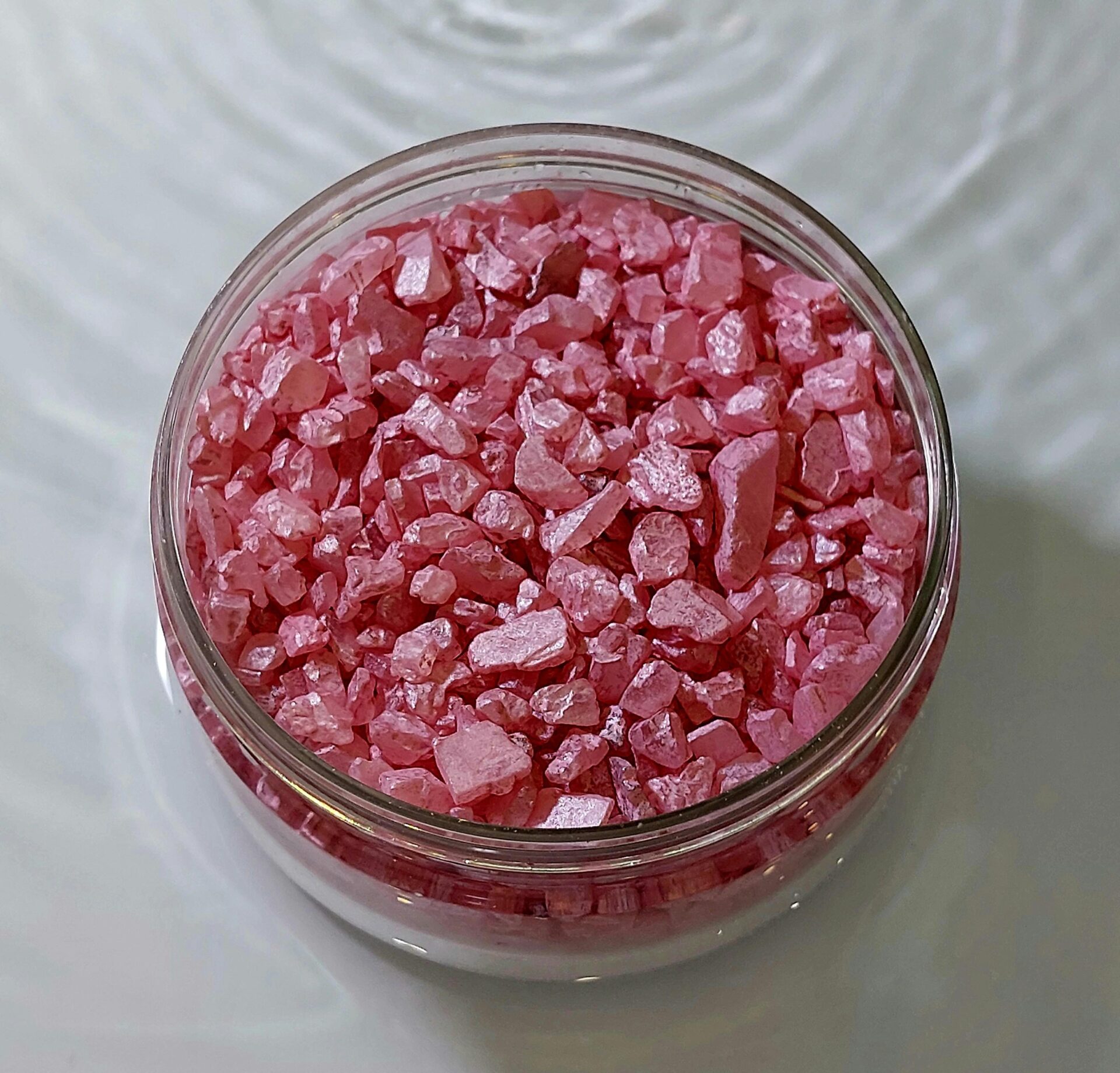
Under the hum of fluorescent lights and the hush of chilled cleanrooms, a quiet revolution is taking shape in the legal cannabis market: cold-cured THCa rosin. As 2025 unfolds, white-label brands are racing to capture discerning consumers who crave purity, potency, and provenance – all wrapped in compliant, compelling packaging. This guide navigates that convergence of craft and commerce, where laboratory precision meets retail strategy.
Cold curing isn’t just a production choice; it’s a point of differentiation. By stabilizing THCa through low-temperature processing and careful aging, manufacturers preserve delicate terpene profiles and deliver a product that stands apart in consistency and flavor. For white-label businesses, that scientific nuance must translate into trustable sourcing, compliant labeling, and a brand story that appeals to both retailers and regulators.
This article lays out what matters in 2025: the regulatory landscape across U.S. markets, quality and testing expectations, supply-chain considerations for white-label partners, packaging and branding best practices, and risk management essentials. Whether you’re a retailer vetting new private-label lines or a contract manufacturer exploring white-label opportunities, you’ll find practical insights to help you evaluate cold-cured THCa rosin without sacrificing compliance or consumer safety.
read on for a clear-eyed roadmap to building – or selecting – a white-label THCa rosin product that meets today’s standards and tomorrow’s expectations.
Navigating the Current Regulatory Landscape and Compliance Roadmap for USA White Label THCa Rosin
The national framework is a patchwork quilt: the 2018 Farm Bill opened doors for hemp-derived cannabinoids, but state rules stitch their own patterns on top. At the federal level the FDA has signaled limits on food and supplement claims for cannabinoids, while the 0.3% delta‑9 THC threshold (by dry weight) remains a baseline for hemp classification. Many states, though, measure “total THC” by adding a THCa conversion factor (Total THC = Δ9 + 0.877 × THCa) and impose additional caps or bans on concentrates, potency, and retail channels. That means a product that looks compliant at harvest can trigger violations after a lab report translates THCa into “total” THC – a nuance every white‑label partner must anticipate.
Build compliance like a production line: map, verify, document. Key stops on this roadmap include:
- Licensing & Supply Agreements – ensure your white‑label partner holds the right hemp processor/handler licenses and warranties.
- Rigorous Testing – third‑party COAs for potency,heavy metals,pesticides,residual solvents,and microbial contaminants.
- Labeling & Claims control – state‑specific ingredient declarations, cannabinoid statements, and the avoidance of therapeutic claims.
- Traceability – seed‑to‑sale documentation and batch genealogy to support recalls or inspections.
Operational compliance also demands attention to the small details that invite enforcement: child‑resistant packaging where mandated, accurate net weight and cannabinoid breakdowns, batch identifiers that match COAs, and robust age‑verification mechanisms at point of sale. Maintain an evidence binder (digital or physical) for each SKU: COAs, supplier certificates, production logs, and label proofs. insurance, clear indemnities in white‑label contracts, and a recall playbook will reduce exposure when regulations shift without notice.
| Checkpoint | What to Deliver | Typical Timeline |
|---|---|---|
| Potency & COA | Third‑party lab report (Δ9, THCa) | 3-10 days |
| Label Approval | State‑compliant artwork + disclaimers | 1-2 weeks |
| Batch Release | Traceability file + QC sign‑off | Same day-48 hrs |
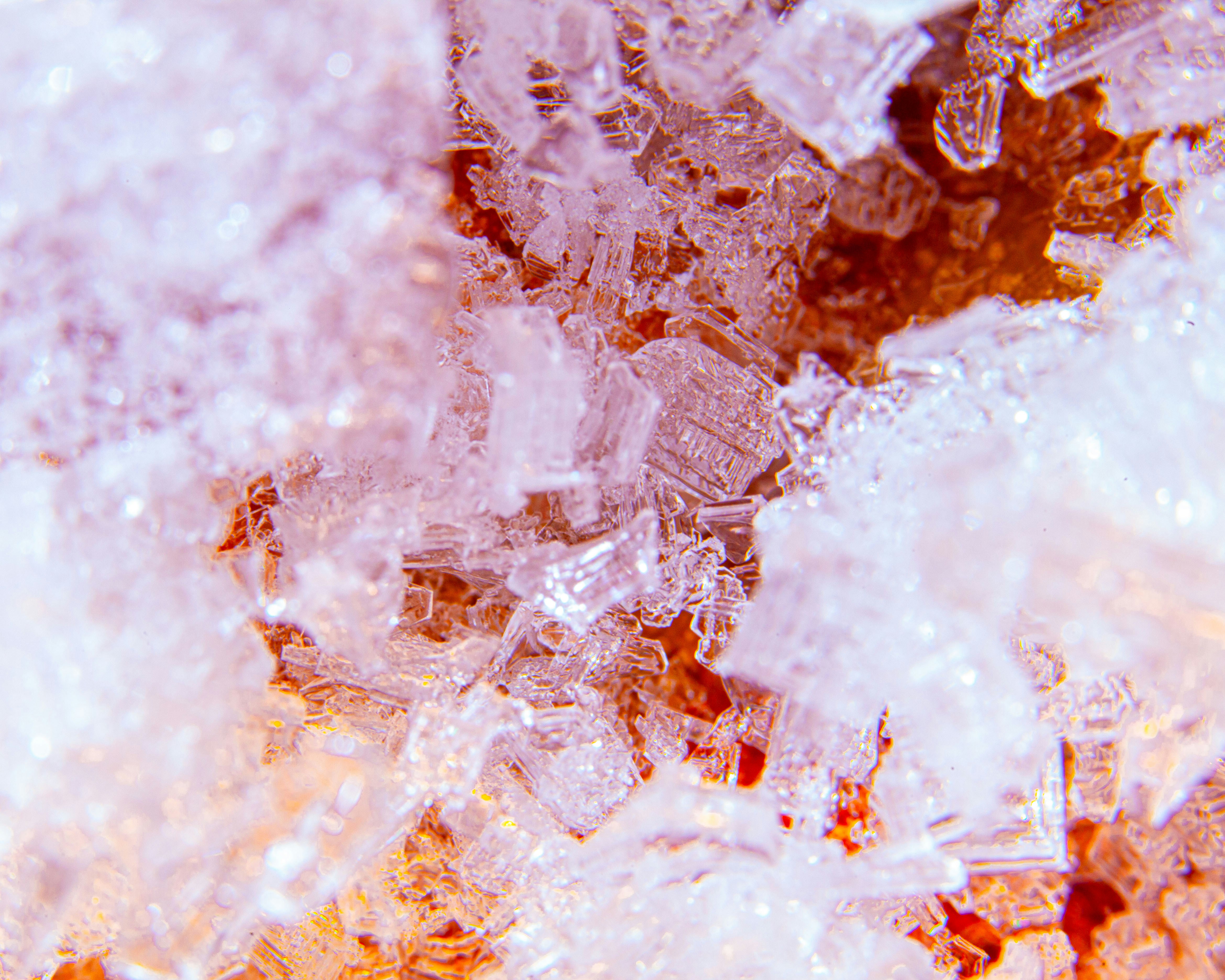
Equipment Choices,workflow Design and Best Practices for Scalable White label Production
Choosing the right hardware is less about headline specs and more about how components protect THCa integrity through cold handling and minimal oxygen exposure. Prioritize a rosin press with programmable ramp profiles and repeatable pressure curves, a dedicated cold-curing chamber with precise temperature control down to -10°C, and a vacuum oven for moisture and volatile removal without heat-stressing cannabinoids. Add laboratory essentials – HPLC/GC for potency and terpene profiling, a particle-size analyzer for micron-bag validation, and a small QA bench for rapid in-line checks.Core items to keep on the floor include:
- Programmable rosin press (50-200+ tons depending on scale)
- Cold-curing chamber with inert-gas ports
- Vacuum oven and chillers
- Micron bag/screen suite and automated baggers
- Analytical instruments for potency/contaminants
Design the line so each step preserves cold chain and minimizes manual hand-offs: trim → pre-freeze → press → cold cure → vacuum finish → packaging. Modular stations let you scale in predictable increments; doubling capacity often means adding a second press and parallel curing racks rather than replacing the entire line. Below is a simple reference for quick capacity planning – use it as a conversation starter with equipment vendors rather than spec sheet gospel.
| Scale | Press Tonnage | Typical 8‑hr Throughput | Footprint |
|---|---|---|---|
| Bench/Pilot | 20-50t | 1-5 kg | 5-10 m² |
| Small Production | 80-120t | 5-20 kg | 15-30 m² |
| high Volume | 150-300t | 20-100+ kg | 30-80 m² |
Operational best practices are the difference between a stunning lab sample and a repeatable white‑label product. Implement strict cold-chain SOPs, redundancies for chillers and vacuum pumps, and a digital batch-tracking system that links COAs to lot numbers and packaging. Train staff on oxygen-minimizing techniques (inert gas purges, sealed transfer tools) and enforce sanitation protocols to avoid cross-contamination. For consistent shelf stability, validate cold-cure durations and store samples under intended retail conditions; include periodic third‑party stability testing in your QA calendar. Quick checklist:
- Digital batch tracking with linked COAs
- Redundant critical systems (chillers, vac pumps)
- Inert transfer and sealed packaging workflows
- Routine stability and contaminant testing
- Documented SOPs & staff certification
The Way Forward
Like any craft that favors patience over haste, cold-cured THCa rosin asks the white-labeler to balance art and exactitude: preserve delicate terpenes and crystalline integrity while meeting a patchwork of state rules, lab standards, and consumer expectations.This guide has walked through the practical mechanics of cold cure, the testing and documentation that protect brands and consumers, and the business steps that turn a private-label idea into a compliant, consistent product on dispensary shelves.
If you take one thing away, let it be this: quality for cold-cured THCa rosin is built before the label is printed – in source selection, in controlled curing and handling, and in rigorous third‑party testing and traceability. Begin with lab-verified samples, pilot production runs, and clear contractual specifications for potency, contaminants, packaging, and shelf-life. Pair those technical controls with up-to-date legal counsel and a state-by-state compliance checklist; the regulatory landscape in 2025 still shifts, and due diligence protects reputation and margins alike.
As you move from strategy to shelf, treat each batch as both product and promise: to consumers, to regulators, and to your retail partners. Return to this guide as a reference, adapt workflows as science and law evolve, and let measured patience – the same that makes cold-cured rosin distinct – guide your white-label decisions.