


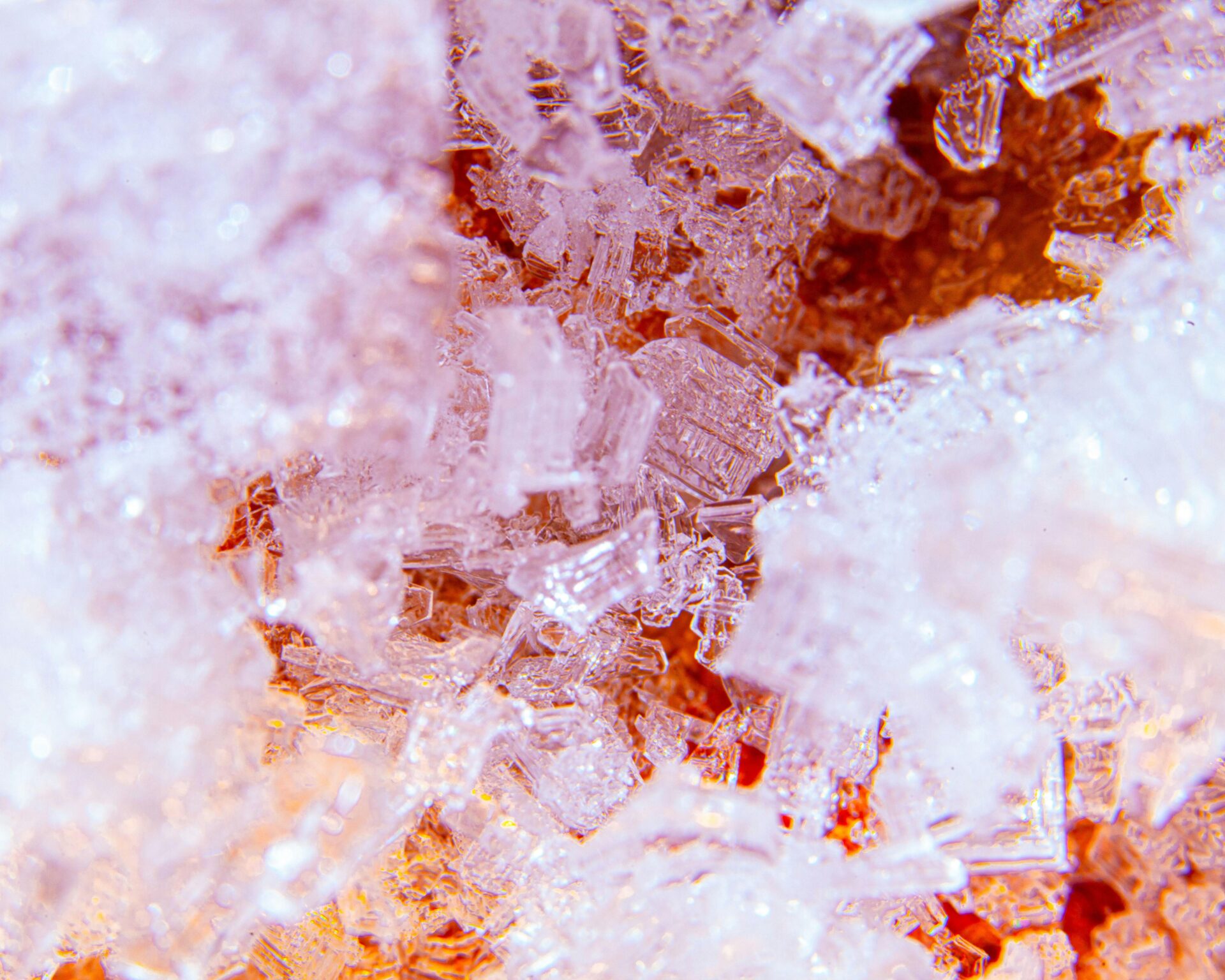
Like the peel of a ripe citrus or the resinous whisper of a pine forest after rain, flavor lives in the small, volatile things. In the world of contemporary concentrates, cold-cured THCa rosin asks you to lean closer: to notice the citrus top notes that sparkle, the herbal undercurrent that steadies, and the oily sweetness that lingers on the palate. This introduction invites you into that sensorial landscape-where cultivation choices,gentle processing,and scientific clarity converge to shape what you taste and how reliably you can expect it to present.
Cold-curing, organic cultivation, and lab testing are more than industry buzzwords; together they form a framework for preserving and verifying a rosin’s aromatic fingerprint. Cold-curing aims to protect delicate terpene profiles; organic growing practices seek to reduce synthetic residues that can mute or alter flavor; and laboratory analysis confirms what’s in the jar and what’s been left out. In the sections that follow, we’ll explore how these elements influence THCa rosin flavor profiles, how to read lab reports without getting lost in numbers, and what to expect when flavor is treated as both craft and science-neutral, precise, and deserving of close attention.
Cold Cured thca Rosin Essentials and Why Organic Cultivation Changes the Flavor
cold-cure THCa rosin is about patience and preservation: low temperatures and slow consolidation lock fragile terpenes and acidic cannabinoids into a translucent, true-to-plant concentrate. When you avoid heat spikes and aggressive purging you keep the rosin’s original aromatic fingerprint intact – luminous limonene peaks, resinous myrcene base notes or floral pinene highs remain vivid rather than flattened. The result is a concentrate that tastes like the flower it came from, with THCa still present where full decarboxylation hasn’t been forced by heat.
The essentials for a reliable cold-cured THCa rosin are deceptively simple but exacting. Key steps include:
- Temperature control – keep presses and storage between ~20-30°C to limit terpene loss.
- Humidity and time – a slow cure for 24-72 hours prevents crystallization stress and improves mouthfeel.
- clean biomass - organic, pesticide-free starting material reduces unwanted off-notes.
- Lab testing – verify THCa content, terpene profile and absence of contaminants for predictable flavor.
Organic cultivation changes the flavor in ways both subtle and unmistakable. Healthy living soils and diverse microbiomes coax plants into richer terpene expression; the same cultivar grown in living soil often reads as more complex on the palate - layered citrus, deeper herbals or a sweeter floral tail. Without synthetic salts and foliar residues, the palate finds purity: brighter highs, cleaner finishes and fewer distracting chemical tangs. In short, organic farming tends to produce rosin that is nuanced rather than blunt.
| Attribute | Organic Cold-Cured | Conventional Cold-Cured |
|---|---|---|
| Brightness | High – lively citrus and herbal notes | moderate – muted top notes |
| Complexity | Layered, evolving | One-dimensional |
| Residual Taste | Clean, plant-forward | Occasionally chemical or salty |

The Science of Cold Curing How Low Temperature Preservation Protects Volatiles and What Labs Confirm
Cold temperatures act like a slow-motion vault for delicate aromatics: lowering kinetic energy reduces the vapor pressure of mono- and sesquiterpenes,so molecules that would otherwise evaporate at room temperature stay locked in the rosin.At the same time, enzymatic and chemical pathways that drive decarboxylation and oxidative breakdown are dramatically slowed, which preserves both the raw THCa profile and the bouquet of terpenes responsible for flavor.Think of it as putting the extract into a short-term hibernation-everything vital is preserved in place, not driven off or transformed by heat and oxygen.
Independent lab work using analytical tools such as GC-MS for volatile profiling and HPLC for cannabinoid quantitation repeatedly shows the same trend: lower-cure temperatures correlate with higher terpene retention and reduced conversion of THCa to THC.Labs commonly report sharper, more complete terpene chromatograms from cold-cured samples, with reduced markers of oxidation. while exact retention numbers vary by cultivar and starting material, the consistent conclusion is clear-temperature is one of the strongest levers for protecting flavor and the original cannabinoid speciation.
- Preserves top and mid notes – delicate terpenes like myrcene and limonene remain detectable longer.
- Reduces decarboxylation - THCa stays intact until intentionally activated by heat.
- Limits oxidation – fewer off-notes and longer shelf stability.
- Improves lab reproducibility – tighter variance between batches for flavor and potency.
For practical reference,labs and producers frequently enough use simple temperature bands to plan cold curing.The table below gives a concise snapshot of observed outcomes across common storage temperatures-useful when balancing preservation with processing time and handling needs.
| Temperature | typical Terpene Retention | Notes |
|---|---|---|
| -20°C (freezer) | ~90-98% | Maximal preservation; best for long-term storage |
| 0-4°C (refrigerated) | ~80-95% | Good balance of accessibility and stability |
| ~20°C (room) | ~50-75% | Faster volatilization and gradual decarboxylation |

Decoding Certificates of Analysis Practical Tips for Verifying Purity Potency and Terpene Profiles
When you pull up a lab report for a cold-cured THCa rosin, treat it like a map: the metadata at the top tells you where the sample came from. Look for a visible batch ID, test date, and an ISO 17025 accreditation or equivalent stamp – these are the first clues to a trustworthy report. Pay attention to the testing methods listed (HPLC for cannabinoids, GC-MS for terpenes) and the lab’s stated limits of detection (LOD) and limits of quantitation (LOQ); a value marked “ND” (not detected) means the compound was below that lab’s detection threshold, not necessarily absolutely absent.
Potency sections require a small math check: THCa is often reported separately from THC. use the decarboxylation conversion factor (0.877) if you want to estimate potential active THC after heating. Also confirm whether the report lists total cannabinoids by summing individual entries,and scan for residual solvents,pesticides,and heavy metals - these should read “ND” or be well below safety thresholds. Quick checklist for scanning a COA:
- Accreditation: ISO or state lab certified
- Dates & batch: Match product label to COA
- Methods: HPLC for cannabinoids, GC-MS for terpenes
- Contaminants: Pesticides, metals, solvents = ND or under limits
- Chromatogram: Clear peaks, no unexpected spikes
| Field | What to check | Quick note |
|---|---|---|
| THCa (%) | High single-digit to low-90s for concentrates | Indicates raw potency pre-decarboxylation |
| Total Terpenes (%) | 0.5%-5% typical for flavorful rosin | Higher = more pronounced aroma/flavor |
| Pesticides / Solvents | ND or below regulatory limits | Confirms organic/clean claims |
read terpenes like you read a tasting note: myrcene is musky and sedative-leaning, limonene brightens citrus notes, and caryophyllene brings pepper and spice.A cold-cured rosin that lists myrcene, limonene, and β-caryophyllene as top terpenes will likely deliver a layered flavor profile – check individual terpene percentages to predict which note dominates. When in doubt, the combination of an accredited lab stamp, matching batch numbers, clean contaminant panels, and a robust terpene fraction is your best confirmation that the bottle matches the flavorful promise on the label.
Selecting Organic Certified Cold Cured THCa Rosin Brand Checklist and Common Red Flags
Trust the paperwork before the packaging. Look for clear, dated certificates of Analysis (coas) that match the batch number on the jar, an explicit organic certification from a recognized body, and a solventless extraction statement. A transparent brand will publish terpene profiles,cannabinoid breakdown (including THCa percentage),and limits for pesticides,heavy metals and residual solvents. If any of these items are missing, that’s a strong reason to pause and ask questions.
The sensory checklist helps separate boutique producers from marketing noise. Prioritize rosin that lists starting material (strain or chemovar),curing method,and approximate yield – these influence flavor and mouthfeel. Small, independent brands that provide harvest dates, farmer names, or photos of the source flower typically deliver more consistent taste. Practical items to verify before buying:
- Batch-matching COA (date + lab name)
- Organic certification or clear pesticide-free claims
- Solventless / no chemical aids stated
- Terpene profile listing to gauge flavor expectations
Beware of common red flags: vague or absent lab data, labels that reuse generic descriptors without specifics, unusually low prices for “premium” rosin, and inconsistent texture across jars from the same batch.If a seller pressures you to buy large quantities without offering a sample or refuses to share lab results, treat that as a reliability warning. Below is a quick reference to help scan a product page or label at a glance.
| Green Flags | Red Flags |
|---|---|
| Visible COA with batch match | No lab results posted |
| Listed terpene profile and aroma notes | Vague “premium” or “top-shelf” claims |
| Clear organic or pesticide-free sourcing | Unrealistically low price for small-batch rosin |
Insights and conclusions
As the last notes of a tasting fade,cold-cured thca rosin reveals itself not just as a concentrate but as a map of origin - an interplay of plant chemistry,careful processing,and documented safety. When organic cultivation meets gentle, low-temperature curing and rigorous lab testing, what remains in the jar is a concentrated snapshot of terroir: bright terpenes, subtle earthy undercurrents, and the nuanced textures that make each profile distinct.
For curious palates, that snapshot invites mindful exploration. Read the lab reports, note the terpene signatures, and let each strain’s aroma guide your expectations rather than promises.in doing so you honor both the craft behind cold curing and the science that verifies it.
Whether you’re a seasoned enthusiast or simply intrigued, cold-cured, organic, lab-tested THCa rosin offers a measured, transparent path to flavor revelation – one thoughtful taste at a time.

