


Like an old-world craft refined by cold science, cold-cured thca rosin arrives at the intersection of heritage and high precision. This concentrate-rich in THCa (tetrahydrocannabinolic acid), the plant’s native cannabinoid-and preserved terpenes aims to present the cannabis flower’s original chemical bouquet without the heat or solvents typical of many extraction methods. The result is often described as “full‑spectrum”: a layered profile of cannabinoids, terpenes, and minor compounds that reflects the source material more faithfully.
Cold curing is as much about restraint as it is about technique. By minimizing thermal stress and avoiding chemical solvents, producers seek to retain fragile terpenes and the acid-form cannabinoids that can change under heat; the process emphasizes preservation over change. For consumers and connoisseurs, that can mean a product that reads like a concentrated snapshot of a specific strain rather than a homogenized extract.
Made in USA signals more than geography – it implies a regulatory and testing framework,supply-chain transparency,and an artisanal-to-commercial range of production practices that vary by state and facility. Whether you’re curious about the chemistry behind thca, the sensory differences claimed by full-spectrum concentrates, or what domestic manufacturing standards bring to the table, cold-cured THCa rosin offers a focused case study in how production choices shape the final product.

Cold Cure Basics for THCa Rosin and Why Low Temperature Preservation Matters
cold curing a THCa rosin is less alchemy and more careful patience: slow, low-temperature aging that encourages desirable crystalline structure while guarding delicate molecules. By keeping rosin chilled after pressing – from refrigerated temps around 0-5°C to freezer conditions for specific textures – producers let THCa organize into stable crystals without triggering heat-driven changes. The outcome is a cleaner appearance, refined mouthfeel, and an aroma profile that feels closer to the living plant.
Low-temperature preservation matters as it protects the compound mosaic that makes full‑spectrum rosin special. Cold minimizes decarboxylation (keeping THCa intact), slows oxidation, and preserves volatile terpenes that would otherwise fade at room or elevated temperatures. Common benefits include:
- Richer terpene retention – brighter, truer aromatics.
- Controlled crystallization – predictable texture from sauce to stable diamonds.
- Improved shelf stability – less color change and degradation over time.
- Cleaner consumption – fewer heat-induced byproducts and smoother flavour.
| Temperature | Typical Cure Time | Typical Result |
|---|---|---|
| 0-5°C (Refrigerator) | 1-3 weeks | Slow, glossy sauce; gradual crystal formation |
| -20°C (Freezer) | Several days-2 weeks | Fast crystallization; firmer texture, preserved terps |
| Room temp (not recommended) | Days | rapid decay of terpenes; risk of unwanted decarb |
Practical care is simple: store in airtight, light‑blocking containers and avoid repeated thaw/refreeze cycles. When moving from cold storage to use, allow a gentle acclimation to prevent condensation that can mar clarity and texture. With patience and cool hands you preserve more than potency – you preserve the full‑spectrum character that distinguishes premium THCa rosin.

Production Protocols and Best Practices for Cold Curing including Temperature, Time and Press Techniques
Cold-curing is a craft of restraint: hold back heat, let terpenes and delicate cannabinoids settle into harmony, and trust time to coax clarity and texture from full-spectrum material.In practical terms this means working within a consistently chilled workflow, protecting aromatic profiles with inert surfaces and minimal handling, and favoring gradual transitions over abrupt change. The goal is a stable, terpene-rich THCa rosin that reads like the flower it came from – vivid aroma, layered flavor, and preserved cannabinoid integrity.
Establish a controlled workspace where temperature and humidity are tracked with calibrated instruments and every batch is documented. Use equipment dedicated to cold processing and ensure seals, platens, and collection surfaces are compatible with low-temperature handling.Emphasize batch traceability, chain-of-custody labeling, and third-party lab testing – these quality controls are as crucial as any mechanical setting in delivering a consistent, Made-in-USA product that meets regulatory expectations.
- Pre-press checks: Confirm material moisture, cleanliness of surfaces, and tooling readiness before beginning any run.
- Pressure strategy: Apply pressure in measured, incremental passes rather than a single aggressive cycle to encourage even expression without heat buildup.
- Curing environment: Maintain a stable, cooled environment with vibration control and low ambient light to protect volatile compounds.
- Monitoring & testing: Log every change, pull samples for lab analysis, and use sensory evaluation alongside certificates of analysis to guide process tweaks.
- Post-cure handling: Store in inert, light-resistant containers and allow the product to equilibrate before packaging and final QC.
| Stage | What to observe | Action (qualitative) |
|---|---|---|
| Pre-press | Material feel and aroma | Proceed only if aromatic profile is intact |
| Expression | Visual clarity and viscosity | Adjust passes to avoid heat buildup |
| Cold cure | Color stabilization and terpene retention | hold until sensory and lab checks align |
| Final QC | COA results and packaging integrity | Approve for distribution only with compliant COA |

Lab Testing, Compliance and Purity Standards to Require from US Producers
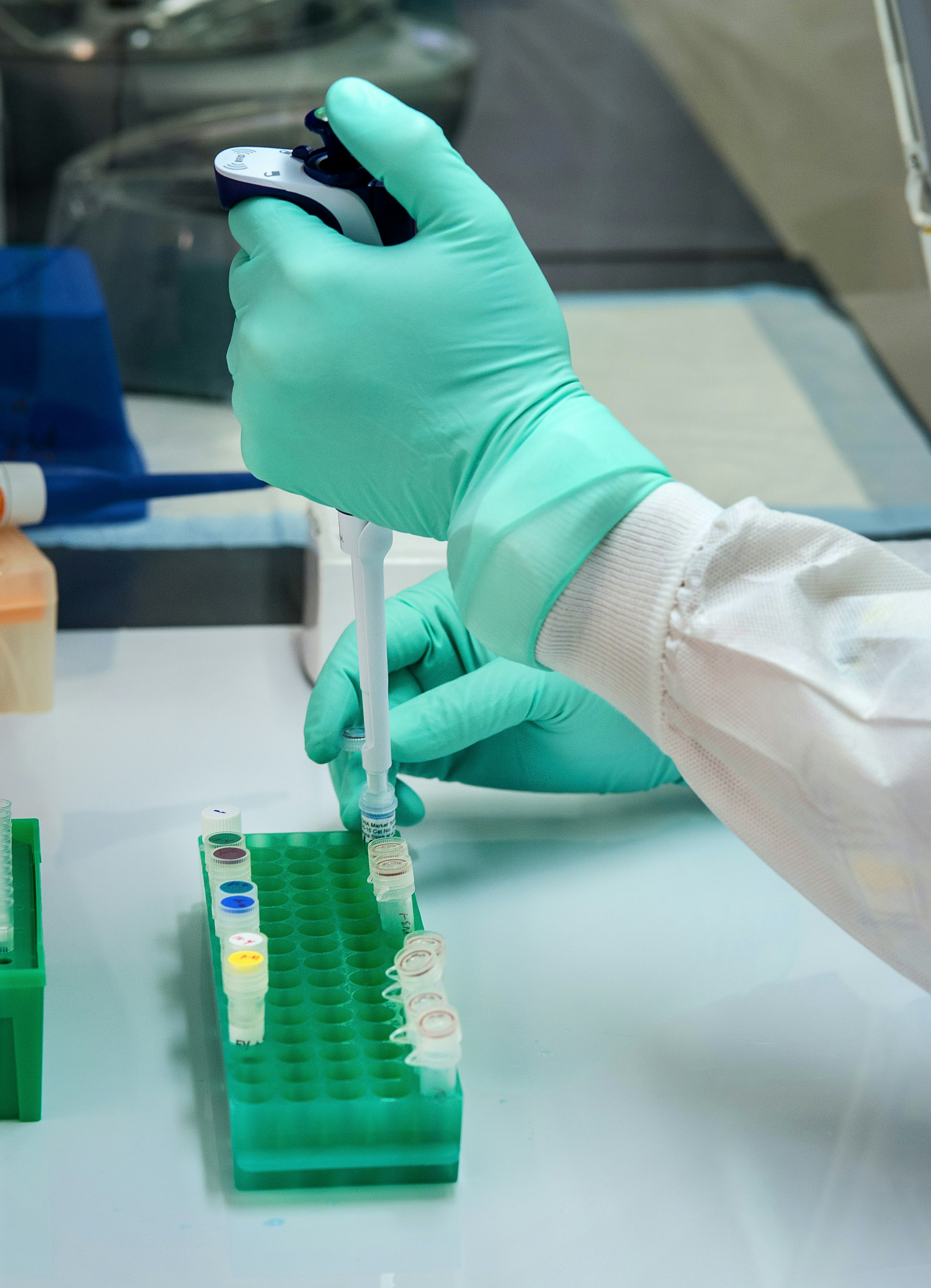
insist on transparent, third‑party verification: every batch should ship with a readable Certificate of Analysis (COA) from an self-reliant laboratory accredited to ISO 17025 standards. Request the COA link or PDF, the lab’s accreditation statement, the test date, and a clear batch or lot number so the document can be traced back to that exact extraction run. Producers should also provide stability data and an expiration or “best‑by” date based on real testing rather than guesswork.
- Potency panel – full cannabinoid breakdown (THCa, Δ9‑THC, CBD, CBG, etc.) with limits of detection clearly listed.
- Terpene profile – qualitative and quantitative terpene reporting to verify full‑spectrum claims.
- Pesticides & residual solvents – “not detected” at validated LOQs for pesticides; residual solvents reported even if the product is solventless.
- Heavy metals & microbiology – lead, arsenic, cadmium, mercury within accepted action levels; total yeast, mold, and pathogenic screens must be passed.
| Test | Why it matters | Buyer requirement |
|---|---|---|
| Potency (THCa/THC) | Confirms strength and verifies full‑spectrum claims | COA with numeric values + LOD |
| Pesticides | Protects against chronic exposure risks | ND at validated LOQs or within state action limits |
| Heavy metals | Assures raw material cleanliness | Below accepted public health thresholds |
Operational compliance is as critically important as lab data. Require evidence of documented Good Manufacturing Practices (GMP) or equivalent quality systems, strict cold‑chain handling for cold‑cured rosin, batch segregation, and a formal chain‑of‑custody process from harvest to final packaging. Products should not be released for sale until the COA is reviewed and matched to the product lot,and every responsible maker should publish a clear recall policy and contact point for quality issues.
Consumption Guidelines, Dosing tips and Activation Advice for Maximizing THCa Benefits
Cold-cured rosin lets you choose how much of the raw, acidic cannabinoid to keep and how much to convert into intoxicating THC. If you wont the non-psychoactive THCa experience, consume without heat: a small dab placed sublingually or blended into a cold carrier oil will preserve the molecule and its entourage of terpenes. If you prefer activation, apply gentle, controlled heat to decarboxylate the THCa into delta-9 THC while keeping flavor and nuance intact. As a general dosing baseline, begin with very small amounts-think 1-5 mg (for microdosing) and only increase by similar increments after evaluating effects.
Temperature control is the single most critically important lever for balancing activation vs. preservation of terpenes. Low-temperature techniques maximize flavor and provide a smoother onset; higher temperatures more reliably convert THCa to THC but sacrifice some nuance. Use the table below as a quick reference for common consumption methods and their temperature guidance:
| Method | Temp Range | Activation Notes |
|---|---|---|
| Cold sublingual / tincture | Room temp / no heat | Preserves THCa; slower, milder effects |
| Low-temp dab / vaporizer | 315-400°F (157-204°C) | Good terpene retention; gradual conversion |
| Medium-temp dab / e-nail | 400-525°F (204-274°C) | Faster decarboxylation; stronger immediate effects |
| Oven decarb for edibles | 220-240°F (104-115°C) for 30-60 min | Controlled conversion over time; used before infusion |
Practical dosing tips will keep your experiments enjoyable and predictable.Always start low and wait longer than you think: inhalation effects are rapid,but edible conversions can take 60-120 minutes to peak. Use a milligram-scale or calibrated syringe for accuracy with concentrates and oils. Helpful habits:
- Microdose first: 1-5 mg increments for new users or daytime functional use.
- Keep a journal: note dose, method, temperature and time to refine your personal sweet spot.
- Store cool and dark: cold-cured rosin loves refrigeration to preserve terpenes and THCa potency.
be mindful of safety and context.Higher-temperature activation increases intoxicating effects-plan for a safe environment, avoid driving, and don’t combine with alcohol or sedatives. If you have health conditions or take medications,consult a healthcare professional before experimenting. Thoughtful dosing, precise temps and patient titration are the fastest path to unlocking the nuanced benefits of this full-spectrum, USA-made rosin.
Storage Strategies, Shelf Life Considerations and Pairing Recommendations to Maintain Full Spectrum Quality
Think of every jar as a miniature time capsule for terpenes and cannabinoids: light, heat and oxygen are the slow eroders of a full-spectrum profile. Store cold-cured THCa rosin in small, non-reactive glass containers with minimal headspace and a snug PTFE-lined lid. For daily use, keep a tiny portion at room temperature for convenience and the bulk in colder storage. Protect from heat, light and air-these are the simplest, most effective habits to keep the rosin tasting and performing as intended.
Storage quick-tips:
- Use amber glass jars or opaque tins to block light.
- Fill jars to reduce headspace; consider flushing with nitrogen/argon for long-term storage.
- Store small daily doses separately to avoid repeated exposure of the main stash.
- Avoid porous containers and direct sunlight – both degrade terpenes rapidly.
- Label jars with strain and date to track freshness over months.
How long the profile holds depends on the environment. Below is a simple guide to expected shelf-life under typical conditions:
| Storage Condition | Temperature | Estimated Shelf Life |
|---|---|---|
| Cool, dark pantry | 65-72°F (18-22°C) | 3-6 months |
| Refrigerator | 35-40°F (2-4°C) | 6-12 months |
| Freezer (long-term) | < 0°F (-18°C) | 12-24 months |
When using the freezer for long-term preservation, wrap the jar to prevent freezer burn and always thaw in the fridge before opening-this reduces condensation and terpene loss. Avoid repeated freeze-thaw cycles; one gentle thaw is much kinder to the terpene profile than many temperature swings.
pairing is part art, part science: match terpene notes to complementary flavors and consumption methods. Citrus-forward rosin brightens sparkling water or a light herbal tea, while earthier, piney profiles pair well with roasted nuts or a charred citrus peel. For micro-dosing or pastries,decarboxylate gently to retain nuance; for dabbing,lower-temp hits preserve delicate aroma. If combining with flower,choose a compatible strain to amplify shared terpenes rather than mask them-this keeps the experience true to the original,full-spectrum intent.
Final Thoughts
As the last light slides across a slab of cold-cured THCa rosin, what remains is clarity: a craft-driven product that marries full-spectrum complexity with American-made standards. The low-temperature process preserves delicate terpenes and cannabinoids in a way that invites appreciation rather than exaggeration-an invitation to explore nuance,provenance,and the hands that shaped it.
Whether you value transparency, small-batch craft, or simply a cleaner expression of the plant, cold-cured rosin offers a distinct point of entry into contemporary extraction practice. Keep in mind local laws and quality assurances when choosing products, and look for producers who prioritize testing, traceability, and lasting practices.
cold-cured THCa rosin is as much about process as product: a quiet testament to patience, precision, and place. For curious consumers and careful connoisseurs alike, it’s a reminder that good things often come from restraint-and from doing things the right way, right here at home.