


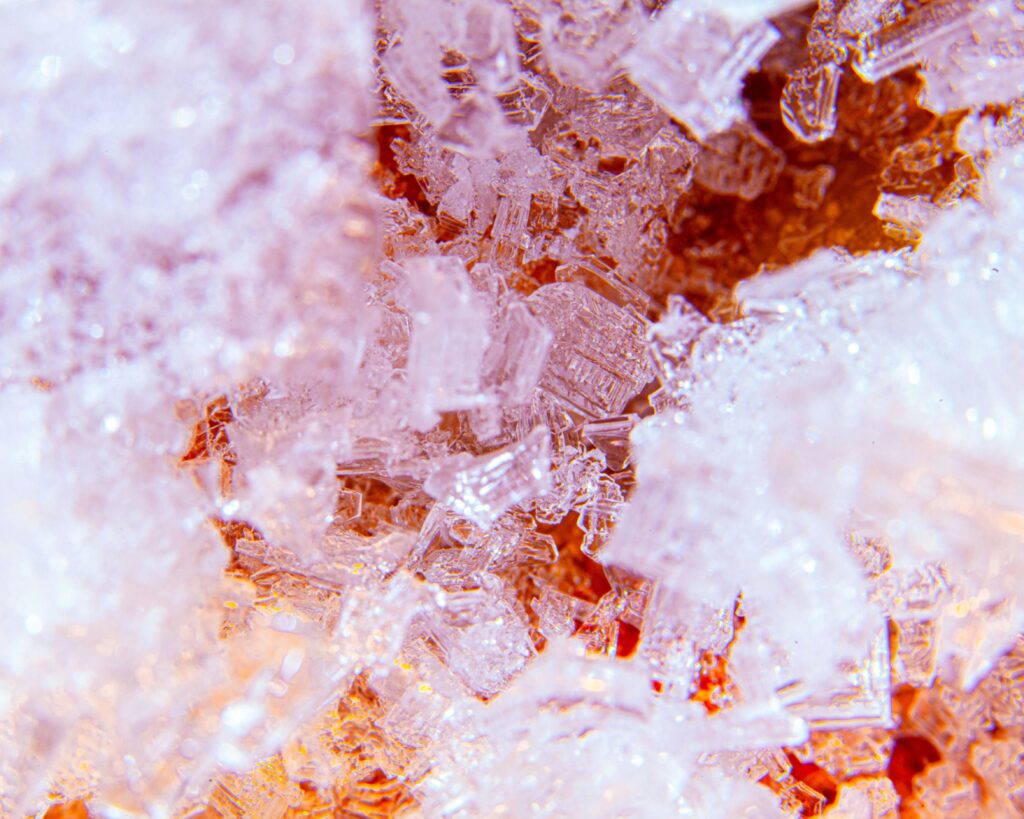
There are flavors in cannabis that read like weather reports – luminous citrus fronts, heavy diesel storms, whispering floral mists – and there are extraction techniques that try to bottle those atmospheres. cold-cured THCA rosin is one such attempt: a contemporary craft that aims to preserve the raw cannabinoid character of a flower while managing the delicate cast of terpenes that give each cultivar its voice. The result is a concentrate that looks to marry potency with nuance, though not without trade-offs.
“Limited full-spectrum terpenes” is a phrase that captures that tension. It suggests a product that retains a broad array of naturally occurring compounds, yet in a restrained or selectively preserved form. Consumers and producers alike are left navigating questions about what “full-spectrum” truly means when temperature, time, and chemistry temper the aromatic bouquet. The cold-cure approach can emphasize THCA clarity and stability, but it also reframes how we think about completeness in flavor and effect.
This article explores that middle ground: the motivations behind cold-curing, the sensory and analytical results you can expect, and the practical considerations shaping this niche of concentrate culture. By unpacking the science, semantics, and sensory consequences, we’ll look at how limited full-spectrum terpene profiles are redefining expectations for what a modern rosin can be.

The Science Behind Terpene loss in Cold Cured Extraction and Practical Implications
Terpenes are volatile, small molecules that give concentrates their aroma and much of their perceived character. In low-temperature rosin workflows the goal is to preserve these fragile compounds, but even under cold conditions several physical and chemical forces can deplete the terpene profile. Mechanical disruption of trichomes during handling, micro-diffusion through the biomass, and small-scale phase changes all conspire to lower the concentration of certain monoterpenes and sesquiterpenes, leaving a concentrate that is aromatically muted compared with the living plant.
Multiple pathways contribute to that loss – some are immediate and physical, others are slower and chemical. Key mechanisms include:
- Volatilization: the most volatile terpenes can escape during any exposure to ambient air or agitation.
- Adsorption and binding: terpenes can remain trapped in plant lipids and resins that don’t fully release under cold conditions.
- Oxidation and degradation: oxygen and light can alter terpene structures over time, changing aroma even without full loss of mass.
- Matrix partitioning: uneven distribution between solvent-free rosin and residual plant matter can leave some terpenes behind.
| Result | Practical consideration |
|---|---|
| Muted aroma | Expect a softer nose vs fresh flower |
| Shifted flavor profile | Dominance of heavier terpene fractions |
| Perceived potency changes | Biochemical entourage effects may be altered |
for producers and consumers this science translates into a few simple trade-offs: prioritizing terpene preservation can mean tighter handling windows and higher-quality starting material, while maximizing yield and texture often sacrifices some fraction of the volatile bouquet. emphasizing gentle handling, minimal air exposure, and choosing material known for robust terpene suites will improve sensory outcomes, but it’s realistic to view cold-cured rosin as a compromise – rich in cannabinoids and cleaner in appearance, yet often limited in full-spectrum terpene complexity compared with fresher, warmer approaches.

Optimizing Extraction and Curing Methods to Preserve Terpene Complexity
Preserving the layered aroma of a rosin means treating terpenes like delicate instruments – thay respond violently to sudden heat, oxygen, and friction. Start with fresh-frozen, high-terpene biomass and keep the chain cold from thaw to jar: every minute at elevated temperatures bleaches out volatile compounds.In practice this means tiny batches, pre-chilled equipment, and calibrated presses so you control plate temperature within a few degrees rather than eyeballing it.
During extraction, favor low-temp, short-dwell presses that reduce terpene volatilization while still producing a clean squeeze. Use a press with precise temperature control, minimize pressure ramp rates, and fold parchment to capture the first, terpene-rich fractions separately. Where possible, work in an inert atmosphere (nitrogen or argon) and avoid reworking the rosin – agitation and repeated heat cycles are major terpene killers.
Curing is as much an art as a science. Cold-curing in the dark at stable, slightly above-freezing temperatures helps volatile terpenes re-equilibrate into the matrix while discouraging terpene escape. Implement gentle “burping” routines to let excess gases vent slowly, use amber glass or opaque jars, and consider humidity packs if your material is prone to over-drying. Expect trade-offs: the slow route frequently enough preserves complexity but can reduce initial gloss or require light filtration to remove residual lipids.
- Best practices: micro-batch extractions, precise plate control, inert-gas handling, dark cold cure, gentle burping, minimal agitation.
- Avoid: extended high heat, rapid pressure changes, open-air long handling, bright light exposure.
| Method | Terpene retention | Yield | Recommended for |
|---|---|---|---|
| Cold-press + cold-cure | High | Moderate | Full-spectrum profiles |
| Warm-press + quick purge | Low-Moderate | High | Max yield, less aroma |
| Vacuum purge + slow cure | Moderate-High | Moderate | Balanced terpene/purity |

Storage Handling and Consumption Recommendations to Maintain Terpene Integrity
Terpenes in cold-cured THCA rosin are a fragile part of the profile – delicate aromatics that evaporate, oxidize or flatten when exposed to heat, light and oxygen.For short-term storage, keep jars in the coolest part of a refrigerator at 32-50°F (0-10°C); for longer-term archiving, vacuum-sealed and frozen packs are effective but should be used with care. Light-blocking amber glass or inert metal tins preserve aroma better than clear plastics,and opaque,airtight glass will slow oxidation and terpene loss without imparting off-flavors.
Packaging and handling determine how much of that limited full-spectrum character survives until consumption. Use minimal headspace, purge with nitrogen if possible, and avoid porous containers. Never store rosin on parchment as a permanent solution – transfer it into glass for longer shelflife. When removing samples, work quickly, keep tools cold, and limit repeated opening; every exposure to air chips away at nuance.
- Do keep products chilled and shielded from light.
- Do use glass or metal, vacuum or nitrogen-sealed containers.
- Don’t subject rosin to repeated freeze-thaw cycles.
- Don’t torch it indiscriminately – high heat destroys terpenes.
- Do dose small amounts for communal use to reduce handling.
When consuming, favor low-temperature techniques that coax out aroma without incinerating it. Aim for a deliberate, low-temp dab or a temperature-controlled e-nail in the 300-430°F (150-220°C) window to retain floral and citrus notes – start low and raise heat slowly if more activation is needed. For pens or cartridges choose devices with temperature control and glass-lined pathways; for dabbing, use a clean glass banger and consider terp pearls or directional airflow to maximize vaporization with minimal thermal stress.
| Temp Range | Terpene Retention | Decarb/Effect |
|---|---|---|
| 300-350°F | High | Partial decarb; aromatic |
| 350-430°F | Moderate-High | Balanced aroma & activation |
| 430-550°F | Low | Full decarb; terpene loss |
Practical transport and service tips: carry small sealed samples in a chilled, insulated pouch for short outings, label jars with date and strain, and always use clean, dedicated tools to avoid cross-contamination. Above all, remember two simple rules – keep it cold and limit heat exposure – and the fragile, limited terpene character preserved by cold-curing will remain vivid and enjoyable much longer.
In Summary
Cold-cured THCA rosin occupies a thoughtful middle ground – a solventless concentrate that prioritizes cannabinoid integrity and purity while sometimes yielding a narrower terpene bouquet than warmer or differently processed extracts. For makers and consumers alike, the choice comes down to what matters most: maximal cannabinoid preservation, a broader aromatic spectrum, or a balance of both. As the craft continues to evolve, so will techniques for coaxing more nuanced terpenes from cold-cured material without compromising its strengths. In the meantime, reading lab reports, asking producers about their methods, and sampling with an attentive palate remain the best ways to judge value. Whether you’re drawn to the clinical clarity of cold-cured rosin or the layered complexity of fuller-spectrum alternatives, understanding the trade-offs lets you decide with confidence.