


Like a fine wine rested in cellar dark, cold cured THCA rosin arrives as an expression of patience, place and plant. It’s the meeting point of craft extraction and botanical nuance: solventless concentrates pressed from flower and treated with low-temperature aging to preserve the volatile compounds that give cannabis its aroma and character. For those curious about concentrated cannabis products, this approach promises a cleaner-looking extract and a terpene-forward profile that foregrounds smell, flavor and subtle entourage effects rather than brute potency alone.
This article explores that intersection-what “cold cured” means in practise without delving into the how-to, why THCA matters as a cannabinoid precursor, and how a focus on organic inputs and terpene preservation is reshaping expectations around dabbing. We’ll look at the sensory appeal and cultural currents behind the trend, consider the science in broad strokes, and offer a neutral appraisal of why some consumers and artisans prize this method for its emphasis on authenticity, aroma and the craft of extraction. Whether your a newcomer trying to understand the vocabulary or a seasoned connoisseur weighing options, the story of cold cured THCA rosin is as much about terroir and technique as it is about potency.
cold Cured THCA Rosin Demystified: How Low Temperature Aging Preserves Terpenes and Purity
Cold curing is an artisanal pause-placing freshly pressed rosin into a controlled, low-temperature environment so delicate terpenes and fragile acids can settle without being driven off. by keeping temperatures near refrigeration levels (typically between 0-10°C), enzymatic activity slows, volatile terpenes stay bound to the matrix, and oxidative reactions that yellow and degrade the hash are minimized. The result is a concentrate that smells more like the living plant and tastes closer to the original flower when vaporized.
Practically, cold curing is simple but precise: transfer rosin into inert, non-reactive containers, purge as much air as possible, then store in a dark, vibration-free fridge or cold chamber for weeks to months. Small adjustments-like short burps to release trapped gas or using vacuum-sealed bags with oxygen absorbers-can make a noticeable difference. Because the process avoids high heat, THCA remains largely intact until intentional decarboxylation at consumption.
- Higher terpene retention – fresher aroma and flavor
- improved clarity and color – less oxidation
- Purity preserved – minimal byproducts from heat
- Controlled texture – from sappy to stable depending on time
| Attribute | Cold cured | Heat Cured |
|---|---|---|
| Terpene Retention | High – floral, citrus, herb notes preserved | Lower – lighter, muted bouquet |
| Purity | Clean profile; fewer thermal byproducts | Risk of oxidation and color change |
| THCA Preservation | maximized – stays unconverted | Partial decarboxylation possible |

From Seed to Solventless: Organic Sourcing and Extraction Choices That Elevate Flavor
Every remarkable dab begins long before the press: in the seed and the soil. Choosing heirloom or terpene-forward genetics and cultivating them with living,organic amendments-compost,worm castings,and brewed teas-builds a cannabinoid and terpene foundation that solventless processes can showcase rather than mask. Hand-trimming, slow hang-dry and gentle curing allow delicate volatiles to stabilize; when those same flowers meet a low-temperature workflow, the result is a concentrate that tastes like the plant it came from rather than a byproduct of processing.
Extraction is where philosophy meets technique.Opting for solventless pathways like rosin, ice-water bubble hash, and dry-sift preserves the aromatic fingerprint of the cultivar. small choices matter: pressing at lower temperatures retains the brightest citrus and floral notes, while fresh-frozen starting material can lock in ephemeral terpenes that woudl otherwise fade.Consider these approaches and what they deliver:
- Fresh-frozen hash – exceptional terpene retention; vivid, green-top notes.
- Dry-sift – clean signal with subtle, aged-cured complexity.
- Cold-cured rosin – the best balance of body and nuance; press slowly to preserve subtle terpenes.
Attention to post-extraction care completes the flavor arc: low-oxygen storage, stable cool temperatures, and controlled humidity keep terpenes intact while mellowing harsh edges. Small, intentional techniques-using inert parchment, limiting heat exposure during transfers, and aging jars to encourage terpene marriage-turn a good rosin into a memorable one.Below is a quick comparison to help map flavor expectations to technique:
| Method | Terpene Retention | Typical Flavor Notes |
|---|---|---|
| Cold-cured Rosin | high | Citrus, pine, creamy undertones |
| Fresh-frozen Press | Very High | Bright, herbal, “live” top notes |
| Dry-sift Rosin | Moderate | Earthy, spice, rounded sweetness |
Dabbing Setup and Technique Recommendations for Cold Cured Rosin Fans
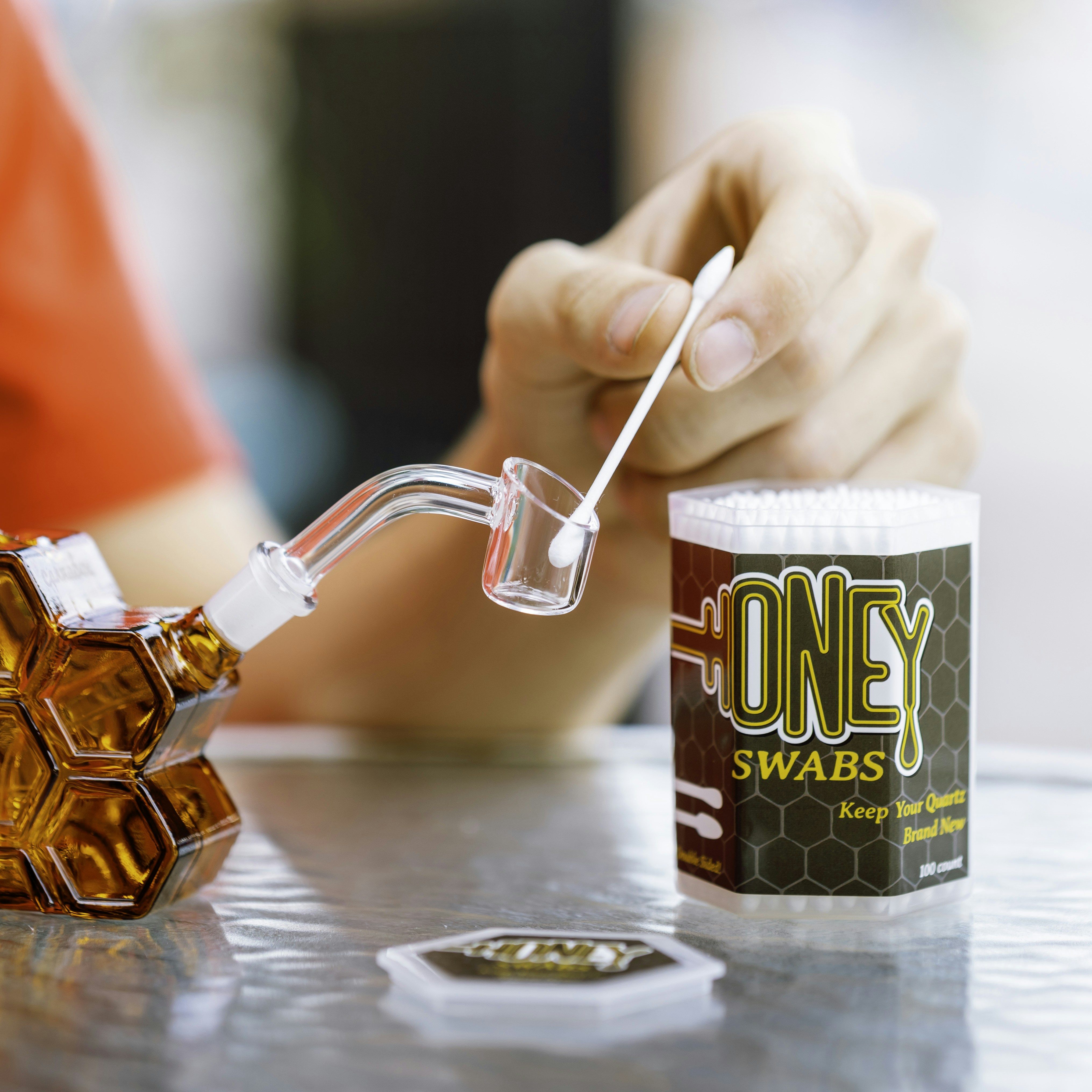
Choose a rig that highlights delicate aromas: a quartz banger with a flat or thermal well, a terpenes-preserving insert like a terp slurper, or a reliable e-nail for precise control.Aim for a clean, short path between nail and mouthpiece to keep flavor vivid and reduce terpene burnout. For dab tools, prefer thin-tipped titanium or quartz scoops that allow for gentle placement; a soft silicone mat and a bench pad will keep your workspace tidy and protect concentrates from heat transfer.
Refine your approach with small, deliberate adjustments-this is about nuance, not extremes. Keep these core points in mind:
- Temperature Range: lower is better for flavor-target the sweet spot that preserves terpenes.
- Dab Size: start micro (.01-.05 g) and scale up if needed to avoid vapor overload.
- Carb Cap Technique: use directional flow and gentle rotation to evenly vaporize without scorching.
- Timing: inhale slowly, hold briefly, and exhale entirely to appreciate the profile.
Quick temp guide
| Temp (°F) | Flavor | Feel |
|---|---|---|
| 350-380 | Peak terpenes, floral | Clean, smooth |
| 380-420 | Balanced aroma & vapor | Fuller clouds |
| 420-480 | Less nuance, more potency | Thicker hits |
Maintenance, patience, and consistency reward the palate. Keep glass and bangers pristine-residue kills delicate notes-use isopropyl wipes between sessions and occasional full soaks. When dialing in technique,log your temps and dab sizes so your favorite terpene signatures are repeatable.Above all, treat each hit as a tasting session: small experiments reveal the full character of a terpene-forward, fresh-pressed rosin much better than chasing big clouds.
To Wrap It Up
Cold curing THCA rosin reframes concentrate craft as a quiet, patient art – one that privileges the plant’s fragile terpene bouquet and a clean, organic profile over speed and volume. Whether you came for the chemistry, the flavor, or the promise of a purer dab, the cold-cure approach highlights how technique and time shape the final experience. As markets and methods evolve, informed choices – from lab-tested products to legal and safety considerations – remain the best guide. For curious consumers and conscientious creators alike, enjoying terpene-forward rosin responsibly lets the plant speak for itself, in all its subtlety.

