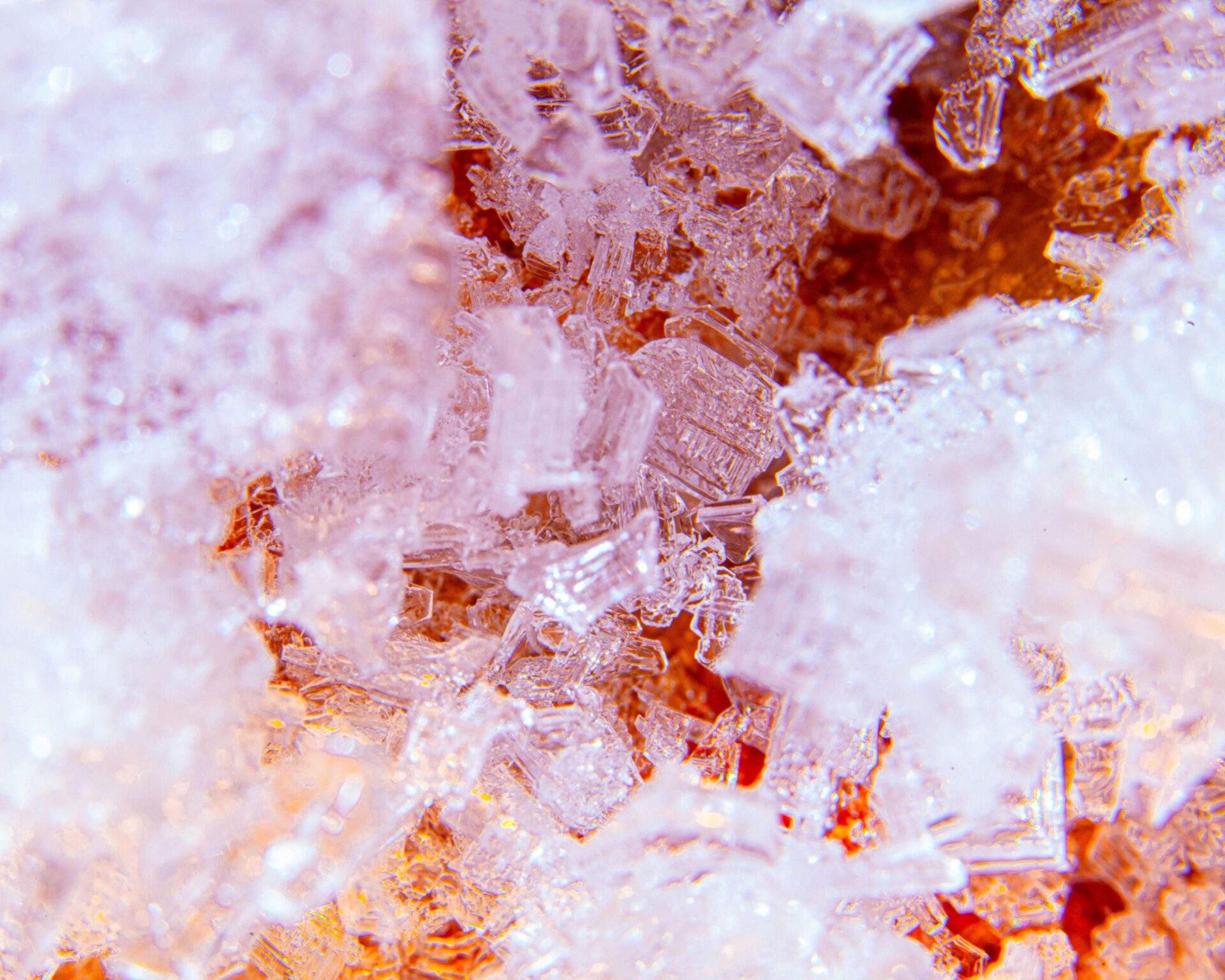
Glossy, translucent adn faintly floral – cold-cured THCA rosin has arrived as a quieter, craft-minded corner of the concentrate world. Unlike flash-processed extracts that trade aroma for speed, cold-cured rosin invites a slower look: preserved terpenes, delicate textures and a chemistry that keeps THCA intact until heat or time changes the story. for newcomers, the result can feel more like discovering a single-origin wine than picking up a generic cartridge.
this article demystifies that first encounter. We’ll explain what makes rosin “cold-cured,” why THCA matters as a starting molecule, and what to watch for when choosing organic options: growing methods, transparency from producers, lab testing, and packaging. Along the way you’ll find beginner-friendly picks selected for quality and clarity rather than hype, plus practical notes on labeling and safety. if you’re new to concentrates and curious about organic, small-batch choices, this primer aims to make the landscape easier to read – while reminding readers to follow local laws and rely on verified lab reports when evaluating any product.
Understanding Cold cured THCA Rosin: What Beginners Need to Know about Organic Extraction
Cold-cured
The technique itself is deceptively simple: slow, controlled time and temperature rather than high heat. That slow maturation can yield a range of textures-from stable, sugar-like crystals to creamy, glassy concentrates-depending on strain, moisture content, and curing conditions. Because the process is solventless, the focus shifts to the cannabis plant and the extractor’s skill, so expect variability between producers and batches. Cold-cured THCA rosin rewards careful storage: when kept chilled and protected from light and air, its terpene profile and THCA potency can remain vibrant for many months. expect the brightest flavor and full-spectrum affect within 6-12 months under refrigeration; at room temperature that window narrows to a few months as terpenes volatilize and THCA slowly converts. Color and texture are your best clues-duller color, a greasy sheen, or an off aroma usually mean diminished quality rather than immediate danger, but they do signal it’s time to replace the jar. Choose containers that protect without interacting. Prefer amber glass jars with tight lids for medium-term storage and small,airtight glass vials or silicone puck jars for daily use. Avoid long-term contact with soft plastics and non-food-grade metals; they can leach or absorb terpenes.A few rapid practices to follow: For long-term safety, treat your stash like a delicate food: keep it dry, cool, dark and clearly labeled. Thaw frozen rosins slowly at refrigerator temps and avoid repeated freeze-thaw cycles that accelerate degradation. When in doubt, trust your senses-an unusually harsh smell, odd mold-like film, or drastically changed texture means retire the jar. Thes simple rituals protect both potency and peace of mind while you enjoy your organic cold-cured rosin. Think of cold-cured THCA rosin as a carefully preserved winter harvest: the cold keeps the delicate flavors and cannabinoid profile closer to the living plant, and choosing organic options is like starting with the purest ingredients.For beginners that means clearer labels, fewer unknown additives, and a product that lets you learn what you like-whether that’s a bright, citrus-forward terpene bouquet or a mellow, earthy profile. When you’re ready to explore, prioritize lab-tested products, buy small quantities to sample different strains and curing styles, and keep doses modest while you find your preferences. Store rosin cool and dark, consult reputable retailers or dispensaries for guidance, and lean on community reviews and educational resources to build your knowlege without rushing into mistakes. Cold-cured organic rosin can be a gentle, flavorful introduction to concentrates when approached thoughtfully. With patience, curiosity, and attention to quality and safety, beginners can discover what resonates with them and enjoy the craft behind the jar as much as what’s inside.
Characteristic
Cold-Cured
Warm-Cured
Flavor
Bright, terpene-forward
Muted, cooked notes
Texture
Crystal-rich or silky
Smoother, more homogenized
Ideal for
Connoisseurs & flavor seekers
consistent texture lovers
Storing and Caring for Your Organic Rosin: Shelf Life, Containers, and Long Term Safety
Storage Condition
Temperature
Expected Freshness
Freezer (long-term)
-10 to -20°C
12+ months (best preserve terpenes, thaw gently)
Refrigerator (regular)
2-8°C
6-12 months (grate balance of access and preservation)
Cool, dark cupboard
15-22°C
2-4 months (convenience at cost of terpene loss)
Final Thoughts