


Like a quiet current beneath a busy surface, THCa has been drawing attention from people curious about cannabis beyond the familiar high. Tetrahydrocannabinolic acid (THCa) is the raw, non-intoxicating compound found in fresh cannabis that can be part of thoughtful, day-to-day choices for those exploring plant-based routines. Whether you’re motivated by curiosity, symptom management, or simply refining a wellness regimen, a practical, consistent approach helps turn scattered experimentation into intentional practice.
This guide – Daily THCa Routine: A Practical Overview Guide – walks you through what THCa is, how it differs from THC, and the everyday considerations that matter: product types, timing, storage, and basic safety and legal checks. It’s designed to be pragmatic rather than prescriptive: useful strategies, common pitfalls to avoid, and questions to discuss wiht a healthcare provider or dispensary professional are highlighted so you can make informed decisions that fit your life.
Expect clear, actionable context rather than promises. The aim is to help you build a routine that’s practical, adaptable, and mindful of personal goals and local regulations – a reliable starting point for anyone curious about integrating THCa into daily life.


evening Wind-Down with THCa: Timing, Microdosing, and Sleep-Friendly Practices
Evening routines are sensory scripts: the dimming of lights, the softening of noise, and the slow unspooling of the day. When THCa becomes part of that script, think of it as an ambient cue rather than a spotlight – something that gently nudges the nervous system toward rest. Aim to introduce it during your established wind-down window so the experience aligns with your usual cues; consistency helps build a reliable association between the compound and relaxation. Timing is less about a strict minute count and more about fitting into a calm, predictable ritual that precedes sleep.
Microdosing is less about quantity and more about intention. Start with a sub-perceptual approach and adjust slowly while keeping notes: how you felt, alertness levels, sleep latency, and nighttime awakenings.A short journal can turn anecdote into insight faster than guesswork. Helpful microdosing habits include:
- Small, purposeful increments: increase only when previous doses are clearly too subtle.
- Single-variable trials: change only one factor at a time (timing, form, or amount) to isolate effects.
- Consistent context: use the same habitat and pre-sleep routine when testing to reduce noise in your observations.
Pair THCa with sleep-friendly practices for a compounded effect: dim lights, a short screen-free buffer, a calming breath exercise, and a warm (non-caffeinated) beverage can all help your body read the “time to rest” signals. Below is a simple snapshot you can customize in your journal; think of it as a template, not a prescription.
| Relative Timing | action | Purpose |
|---|---|---|
| Wind-down window | Dim lights, gentle activity | Signal rest to your circadian rhythm |
| Introduce THCa | Microdose in your chosen form | Subtle enhancement of relaxation |
| Bedtime | Quiet breathing or reading | Ease into sleep without overstimulation |
Safety notes: respect local laws, avoid mixing THCa with alcohol or sedatives, and pay attention to interactions with any prescribed medications. If you notice adverse effects or unpredictable sleep changes, pause experimentation and consult a qualified professional. Thoughtful, patient tuning of timing and microdoses is the most reliable path to an evening routine that truly supports rest.


Selecting the right THCa Format: Flower, Tincture, Topical, and Activation Tips
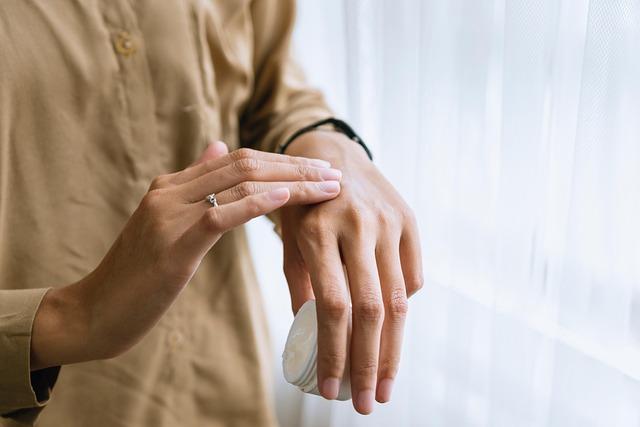
Choosing a THCa format depends less on trends and more on the effect you want. Flower gives fast, controllable onset with clear activation via vaporizing or smoking; it’s ideal for short-term relief and titration. Tinctures can be crafted to preserve raw THCa (cold-infused alcohol) or to deliver converted THC (decarbed flower + alcohol); sublingual use lands between inhalation and ingestion in speed and intensity. Topicals target muscles and skin without producing a high-activation by heat is rarely necessary for peripheral effects, but expect minimal systemic absorption unless combined with penetration enhancers.
Activation matters.For psychoactive effects you need decarboxylation: think “low and slow” – roughly 220-240°F (105-115°C) for 30-45 minutes when using an oven or controlled decarboxylator. Vaporizers designed for flower can convert THCa on-the-fly at appropriate temperatures, giving fast activation without combustion. If you want to keep THCa intact, avoid high heat and use tinctures or raw preparations designed for cold extraction.
Practical selection checklist:
- Goal: systemic relief (tincture/edible), immediate relief (flower), local relief (topical).
- Discretion: tinctures are low-profile; flower is obvious.
- Duration: inhalation ≈ short, tinctures ≈ medium, edibles ≈ long.
- Sensitivity: start low-THCa can convert unexpectedly; always dose conservatively.
| Format | Activation Needed? | Onset | Best Use |
|---|---|---|---|
| Flower | Yes (heat) | 2-15 min | Quick relief, titration |
| Tincture | Optional (decide THCa vs THC) | 15-45 min | Balanced control, discreet use |
| Topical | No (local effects) | Immediate-1 hour | Targeted pain or inflammation |
Key Takeaways
As you wrap up this practical overview, remember that a daily THCa routine is less a fixed regimen than a living experiment-one you tailor to rhythms, needs, and ever-changing information.The steps, tips, and considerations covered here are intended to help you craft a routine that fits your life: thoughtful, measured, and responsive rather than rushed or rigid.
Before settling on any approach,pay attention to product quality,local laws,and how your body and life respond. Many people document their experiences, adjust amounts and timing slowly, and consult knowledgeable professionals when questions arise.Those simple habits-curiosity,caution,and record-keeping-often make the biggest difference.
Whether you treat thca as an occasional tool or an integrated part of your day, the goal is the same: create a routine that supports your priorities while keeping safety and legality front and center. Use this guide as a starting point, and refine your practice as you learn-mindful, informed, and in tune with what works for you.