


Behind the familiar silhouette of the cannabis leaf lies a quieter, less-talked-about compound that’s gaining attention: THCA. Think of it as the plant’s unplayed note – the acidic precursor to THC that lives in raw flower and manny low-heat extracts. Under the right conditions (heat, time, or processing) that note can change pitch – converting into the psychoactive THC – but in its original form THCA behaves differently and raises a distinct set of questions for anyone navigating today’s market.
This guide peels back the layers of jargon and marketing to give you a clear, practical understanding of what THCA is, how it behaves, and why it matters when you’re selecting products. We’ll explain the chemistry in plain terms, show how testing and labeling reveal what’s actually in a jar, and compare product types-from raw flower and tinctures to concentrates and isolates. You’ll also get straightforward criteria for evaluating lab reports, storage and handling tips that preserve potency, and the legal and safety considerations you should keep in mind.
Research into THCA is active and evolving; this article won’t promise definitive answers where science hasn’t yet delivered them. Instead, it will give you the tools to decode labels, ask the right questions of sellers and labs, and make choices that suit your needs and local laws. whether you’re simply curious, researching for health reasons, or working in the industry, this practical guide will help you move beyond names and claims to informed decisions.

How THCA Interacts with the Body From Molecular Action to Reported Effects
At the molecular level, THCA behaves quite differently from its famous descendant, THC. The extra carboxyl group makes the molecule more polar, which limits its ability to cross the blood-brain barrier and means it does not strongly activate the classic CB1 receptors associated with intoxication. Rather,THCA appears to engage a patchwork of other targets – transient receptor potential (TRP) channels,peroxisome proliferator-activated receptors (PPARs),and even some inflammatory enzymes – so its footprint in the body is more peripheral and modulatory than psychoactive.
How you consume it changes the story. Heat or prolonged light exposure converts THCA into THC (decarboxylation), so raw preparations (cold-processed tinctures, juicing, or refrigerated flower) are the most reliable way to keep it as THCA. Once ingested,THCA is subject to normal metabolic pathways (including hepatic processing),and because it doesn’t strongly bind CB1,its downstream signaling often involves immune cells and peripheral nerves rather than the central nervous system – a factor that helps explain why users describe different effects than those associated with smoked or baked cannabis.
Reported effects-both in preclinical studies and in anecdotal user reports-tend to center on non-intoxicating, peripheral outcomes. Commonly mentioned effects include:
- Anti-inflammatory tendencies – modulation of inflammatory signaling in cell models and animal work;
- Neuromodulation – interaction with TRP channels that can influence pain signaling;
- Digestive comfort – user reports of reduced nausea or improved appetite regulation in some contexts;
- Neuroprotective signals – early laboratory data suggesting influence on pathways tied to neuronal health.
keep in mind that evidence ranges from cell studies to small animal work and user anecdotes; human clinical data remain limited, so reported benefits should be regarded as emerging rather than established.
| Molecular Target | Likely Effect (short) |
|---|---|
| CB1 receptors | Weak interaction → non-intoxicating profile |
| TRP channels (eg. TRPV1) | Modulates peripheral pain & sensory signaling |
| PPARs | Influences inflammatory and metabolic pathways |
| COX / inflammatory enzymes | May reduce certain prostaglandin-mediated responses (in vitro) |
This compact map helps explain why THCA often feels subtler and more peripheral than THC: its operating thru different doors.

Practical Dosing Safety and Interaction Guidance for Responsible Use
Think of dosing as an experiment you design for yourself-careful, gradual, and well-documented. As THCA is the acidic precursor to THC, its effects depend heavily on how it’s consumed: raw juices and tinctures tend to deliver unheated THCA, while smoking or vaping converts it to THC and changes potency and psychoactivity. Start with the smallest reliable amount you can measure, wait long enough to assess the effect (at least 90-120 minutes for oral preparations), and only increase by modest increments. Keep a simple log of dose, method, timing, and how you felt so you can spot patterns rather than guessing.
Practical habits that preserve safety are simple and repeatable. Try these every time you dose:
- Measure precisely: use a scale or calibrated dropper-eyeballing invites surprises.
- Stick to one variable: change only one factor at a time (dose, product, or method) to know what caused the change.
- Avoid mixing sedatives: if you use alcohol, benzodiazepines, or strong sleep aids, separate them from THCA use and consult a clinician.
- Label and date: store samples and note harvest/production info-potency varies between batches.
for swift orientation, the table below shows common product types and typical starting ranges. These are illustrative, not prescriptive-treat them as a gentle map rather than a rulebook.
| Product Type | Typical starting Range | Notes |
|---|---|---|
| Raw leaf / juice | 50-200 mg THCA (per serving) | Non-decarboxylated; minimal psychoactivity |
| Sublingual tincture | 5-20 mg THCA equivalent | Faster onset; read label for carrier conversion |
| Concentrates (cold-pressed crystals) | 1-10 mg (very potent) | Handle conservatively-smallest increments |
interactions and exclusions matter. THCA products can affect and be affected by medications metabolized by liver enzymes (CYP pathways), blood thinners, and strong sedatives. avoid use if you are pregnant,breastfeeding,or have unstable liver disease unless cleared by a clinician. When in doubt, bring product labels and your medication list to a healthcare professional and ask specific questions about interactions-this preserves safety without sacrificing curiosity.

Shopping Smart Legal Factors Storage Tips and a Simple Purchase Checklist
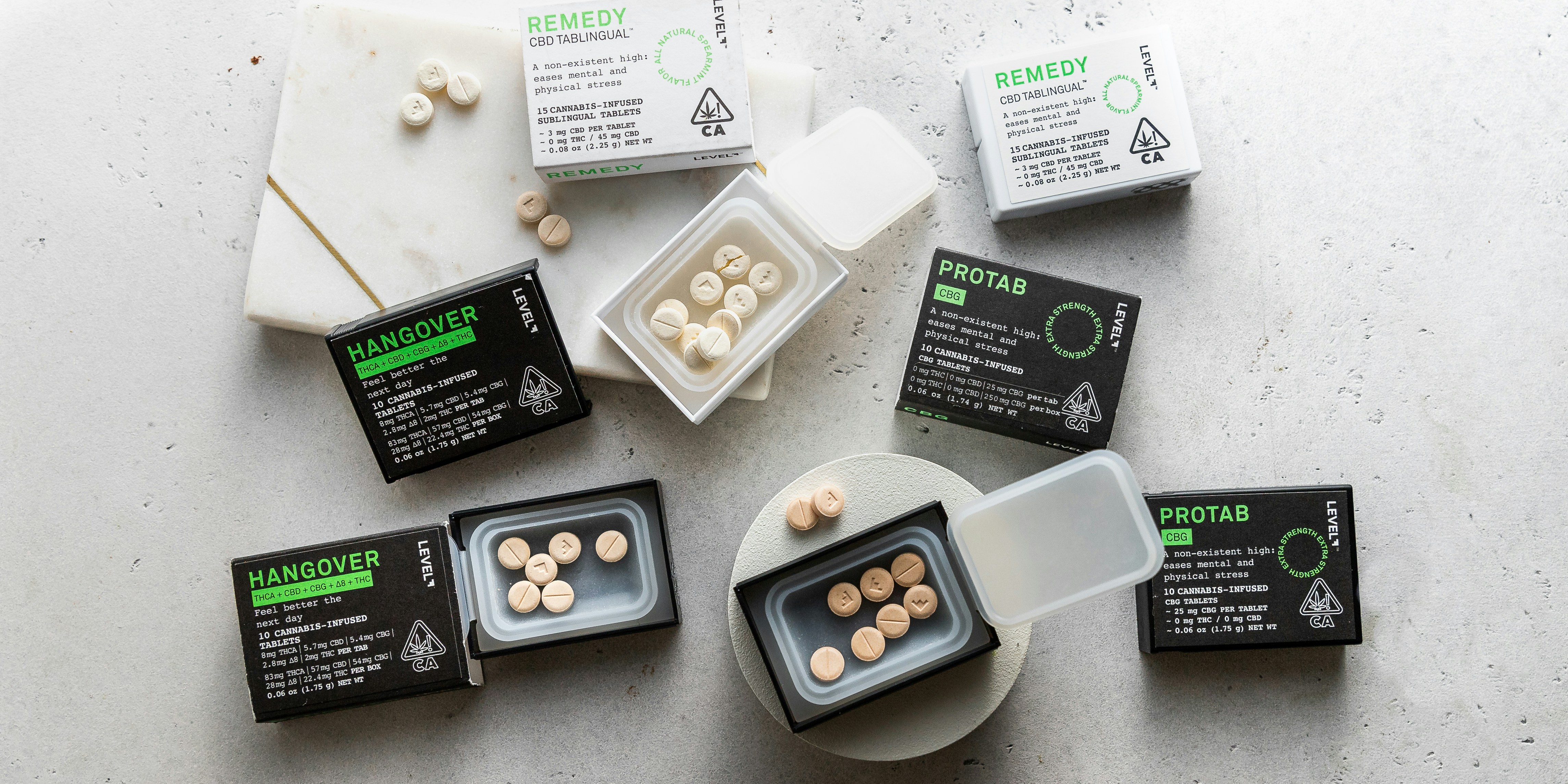
When you’re ready to buy, think like a detective and a minimalist: prioritize clarity over flash.Look for vendors that publish a recent Certificate of Analysis (COA) from an autonomous lab, clear potency numbers, and visible contact information. Packaging should list ingredients and batch numbers; if any of that is missing, pause.Trustworthy sellers will answer questions about extraction methods, solvent residues and whether the product is full‑spectrum, broad‑spectrum, or an isolate.
Legal status can be a moving target. at the federal level, hemp-derived cannabinoids are often treated differently than marijuana, but the practical rule to remember is 0.3% Δ9‑THC (dry weight) – products above that threshold may be illegal in many places. States and countries have their own variations, so confirm local rules before buying or transporting products. When traveling, even between pleasant states, err on the side of caution: crossing borders with THCA/THC products can carry risks.
Proper storage preserves potency and protects safety. keep flower and concentrates in airtight,opaque containers in a cool,dark place to minimize degradation; humidity packs help keep flower from drying out or molding. For tinctures and infused edibles, follow label guidance – some benefit from refrigeration. Always store out of reach of children and pets and avoid prolonged exposure to heat or direct sunlight.
- Essential checks: COA present, clear potency, batch number, transparent sourcing.
- Shipping & returns: Confirm the seller’s policy and shipping restrictions to your area.
- Label honesty: No vague “proprietary blend” claims without ingredient lists.
| Purchase Item | Why it matters |
|---|---|
| COA | Verifies potency and absence of contaminants. |
| Potency & Dosage | Ensures predictable effects and safe dosing. |
| Batch Number | allows traceability if issues arise. |
| Return Policy | Gives recourse for mislabeled or faulty products. |
To Conclude
As this guide draws to a close, think of THCA not as a single ingredient but as a map with many landmarks: chemistry, delivery method, lab testing, legality and personal goals. each landmark offers a clue – some practical, some regulatory – that helps translate labels and lab reports into choices that fit a given need.
When comparing products, let clear testing, transparent sourcing and your intended effects be the compass. Pay attention to dosage and consumption method, start conservatively if you’re unsure, and keep notes on how different formulations affect you. Legal status and product quality can vary widely, so verify both before making decisions.
Decoding THCA is an ongoing process rather than a one-time fix. New research, shifting regulations and evolving products will continue to refine what’s “best” for any individual. Treat the information here as a practical toolkit: apply it, observe the results, and adjust as needed.
With a little curiosity and careful attention to the details, choosing THCA can become less about guesswork and more about informed selection – a steady, thoughtful approach to integrating this compound into your life or practice.