


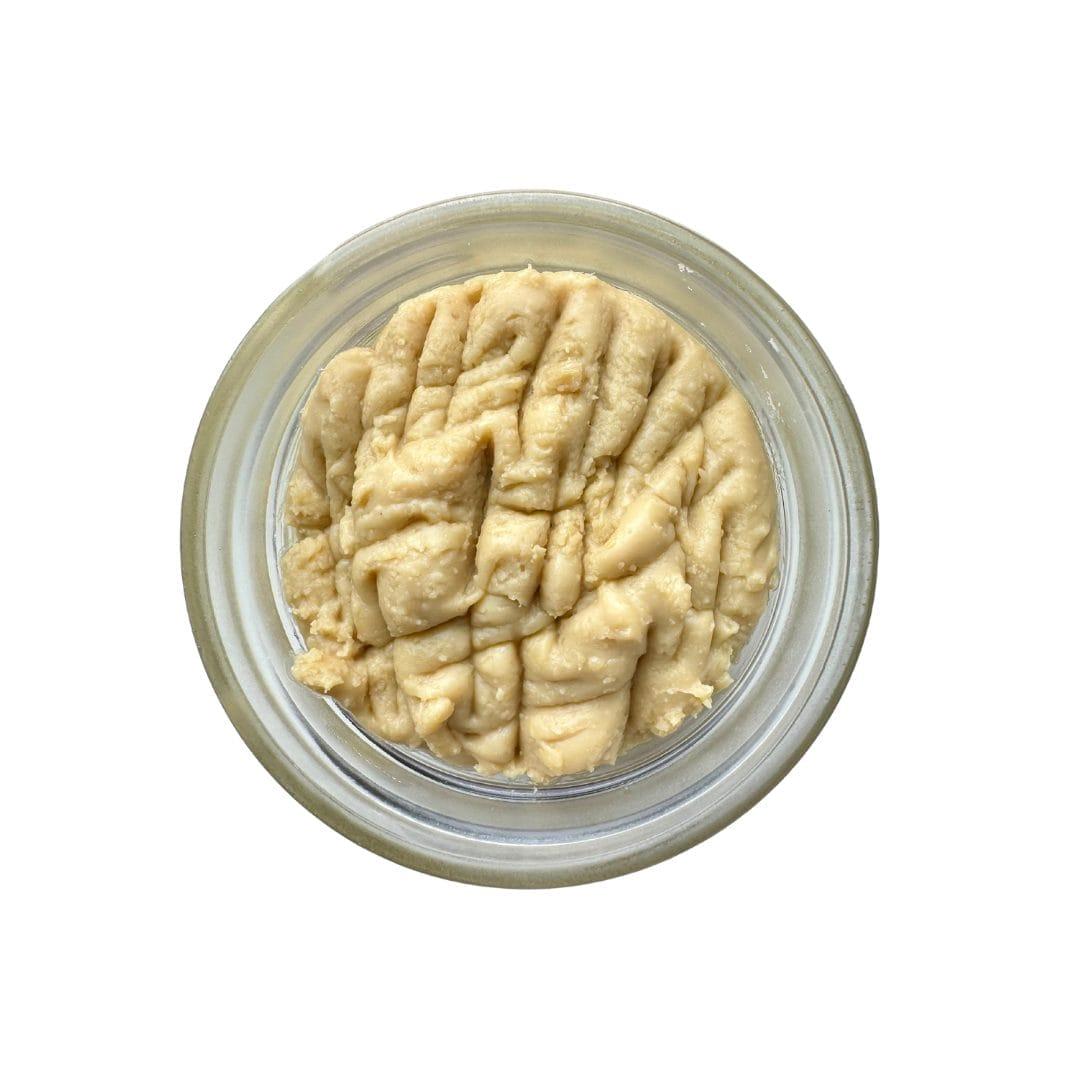
Like a ledger written in invisible ink, THCA pricing hides as much in plain sight as it reveals. On the surface, a per-pound figure looks tidy and final - a simple number to anchor budgets and negotiations - but beneath it lies a shifting landscape of chemistry, compliance, crop quality, and market forces. To anyone trading, sourcing, or simply trying to make sense of the market, that single line item raises more questions than it answers.
This article acts as a decoder ring for those questions. We’ll peel back the layers that shape per-pound rates – from raw biomass quality and lab certification to extraction pathways, regional regulation, and seasonal supply swings – and show how each factor nudges the price up or down. The goal isn’t to give a one-size-fits-all figure, but to equip readers with the frame of reference needed to evaluate quotes, spot anomalies, and make informed decisions.
Whether you’re a buyer comparing offers, a grower gauging market expectations, or a curious observer of the cannabinoid economy, understanding the components behind a per-pound price turns bewildering numbers into usable insight. Let’s begin by mapping the terrain: what that pound actually contains, who’s setting the terms, and why prices can vary so dramatically from one deal to the next.
How to Read Lab Reports and Quality Metrics Before Paying Per Pound
Don’t pay by the pound blindfolded. A Certificate of Analysis (COA) is your map – and like any map, it’s onyl useful if you no how to read the legends. Look for the lab name, accreditation stamps, testing date, and whether the sample represents a single batch or a composite. Those small details tell you whether the numbers on paper actually reflect the plant material you’re buying or just a best-case marketing sample.
Focus on a handful of metrics that move the needle on value. Check:
- Potency: THCA and Δ9-THC percentages (raw vs decarboxylated values matter).
- Moisture or total Solids: High moisture lowers usable mass and increases spoilage risk.
- Contaminants: Pesticides, residual solvents, heavy metals and microbial screens affect processing costs and safety.
- terpenes: Profile and total terpene percentage can command premiums for finishing work.
if a COA lacks one of these sections or lists limits of quantitation (LOQs) that are suspiciously high, treat it as incomplete intelligence.
Translate percentages into expected yield before you agree on price. A quick glance at percent THCA can be converted into grams per pound to estimate how much active ingredient you’re actually buying. Use this simple guide to visualize the math:
| % THCA | Approx. grams THCA per lb | Quick note |
|---|---|---|
| 10% | ~45 g | Low yield; higher processing per gram |
| 15% | ~68 g | Mid-range; balance of biomass and potency |
| 20% | ~91 g | High yield; better cost-per-mg economics |
Multiply the grams by your target price-per-mg to see whether the quoted per-pound rate makes financial sense.
End every negotiation with a practical checklist:
- Verify lab accreditation and retest policy.
- Ask for raw chromatograms if anything looks off on the summary page.
- Confirm batch sampling method (single flower, trim, or composite).
- Factor in disclaimers for moisture loss and potential rework costs.
Armed with this checklist and the COA’s numbers, you buy based on measurable value, not a sales pitch – and that’s how you keep per-pound pricing honest and predictable.
Practical Handling, Storage and shipping Practices to Protect THCA Value
Small mistakes in handling can erode THCA value faster than market fluctuations. Prioritize gentle handling-minimize agitation, avoid crushing, and keep material cool during all transfers.Use clean, dedicated tools and single-purpose workstations to prevent cross-contamination; even trace residues and dust can catalyze THCA degradation or force reclassification of product quality when tested.
Storage is where value is truly preserved. Aim for stable,dark,and inert environments: low temperatures slow enzymatic conversion,while controlled humidity prevents mold and terpene loss. Below is a quick reference many operations use as a baseline:
| Parameter | Recommended Range | Container |
|---|---|---|
| Temperature | 32-50°F (0-10°C) | Insulated, opaque |
| Relative Humidity | 55-62% | Humidity packs |
| Light Exposure | minimal – UV-blocking | Vacuum-sealed |
When shipping, the chain of custody and packaging choices determine how much THCA arrives intact. Use opaque, shock-absorbent packaging, include cold packs if transit exceeds a few hours, and clearly mark handling instructions. Consider these practical checkpoints:
- Pre-condition product to target humidity before sealing
- Use tamper-evident seals and trackable labels
- Choose couriers with climate-controlled options for long routes
institutionalize protection through SOPs and regular audits. Train staff on quick visual checks,temperature logs,and corrective actions for excursions. Small investments in procedure – documented receiving inspections, routine humidity calibration, and periodic third-party testing – compound into preserved THCA value and stronger per-pound pricing credibility.
Wrapping Up
As the numbers settle and the charts flatten,remember that THCA per-pound pricing is less a fixed destination and more a shifting landscape – a map composed of quality,compliance,extraction method,and market sentiment. Decoding those rates doesn’t promise absolute certainty, but it does offer a clearer lens: one that turns opaque listings into comparable components and speculation into reasoned choice.
Whether you’re a grower, processor, buyer, or curious observer, the best currency is informed context. Track regional regulations, demand cycles, and lab-verified potency; weigh reputation alongside raw numbers; and treat price as a conversation starter, not the final word. With those habits, the per-pound figure becomes a useful tool rather than an inscrutable fact.
Markets change, science advances, and policy shifts can redraw the map overnight. Stay curious,stay cautious,and let the data guide you - then you’ll be better positioned to read the signs,adapt your strategy,and make decisions that balance value with integrity.
