


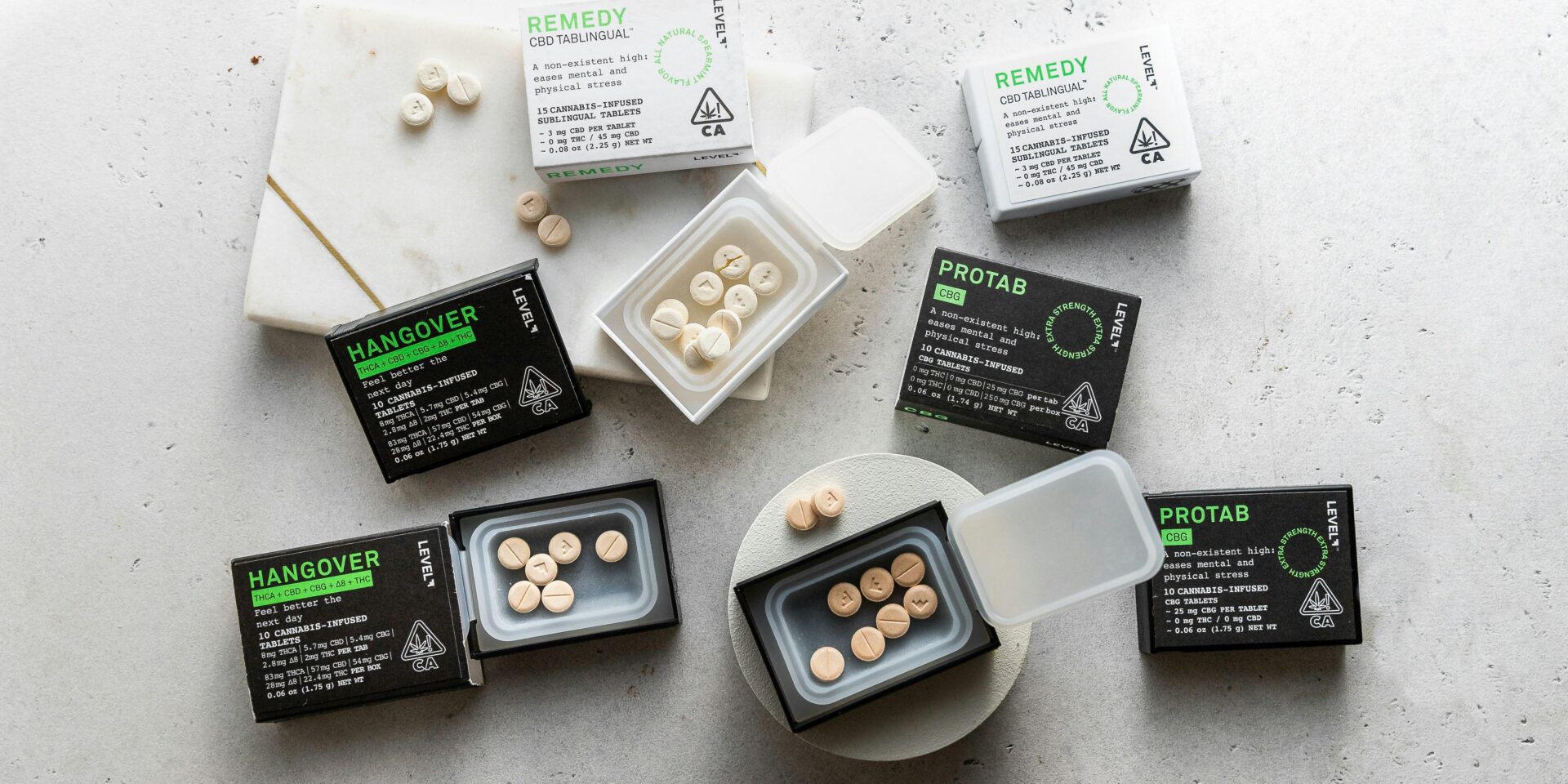
like a legal chameleon, THCa – the raw, non‑intoxicating precursor to THC – has been changing color as it moves between federal definitions, laboratory assays, and state regulatory maps.For regulators, producers, and curious consumers alike, the molecule’s chemistry collides with law in ways that raise practical questions: when does THCa count toward a hemp threshold, how do testing methods change the answer, and what happens when states redraw the lines?
The 2018 Farm Bill set a federal baseline by distinguishing hemp from marijuana based on delta‑9 THC concentration, but it left open how to treat related cannabinoids like THCa. Since then, a patchwork of state rules, enforcement choices, and judicial interpretations has filled in – and sometimes contradicted – that framework. By 2024, several states updated statutes, testing protocols, and licensing regimes, creating a new layer of complexity for growers, manufacturers, and regulators trying to stay compliant.
This article decodes that evolving landscape. We’ll trace the Farm Bill’s legal foundation, unpack the scientific and regulatory debates around THCa, and summarize the notable state law updates of 2024 – highlighting where the law is settled, where it’s disputed, and what stakeholders should watch next.
Federal Foundation From the Two Thousand Eighteen Farm Bill and the THCa Legal Grey Zone
The 2018 Farm Bill rewrote the federal landscape by distinguishing hemp from marijuana based on delta‑9 THC concentration: hemp is legal when it contains no more than 0.3% delta‑9 THC on a dry weight basis.but the statute focuses on delta‑9, not precursors or acidic cannabinoids, which left an opening for compounds like THCa that were not expressly defined. That legislative gap created a federal foundation that is technically permissive for hemp‑derived materials while simultaneously fragile when laboratories or regulators apply different testing approaches.
THCa itself is non‑intoxicating in its raw form, but it readily converts to delta‑9 THC when heated (a process called decarboxylation). Because of that chemistry, regulators and courts are split on whether THCa should be measured on its own or counted toward “total potential THC.” Some labs report only delta‑9, others report delta‑9 + (THCa × 0.877), and a handful provide both. The lack of a single, enforced federal testing standard has created a true legal grey zone: a product can be federal‑compliant on one test and non‑compliant on another.
In 2024 several states moved to clarify how THCa is treated. Responses fall into a few patterns:
- Explicit control: treating THCa as equivalent to THC for enforcement;
- Regulated but allowed: permitting hemp‑derived THCa if total potential THC stays under the threshold;
- Ambiguous or silent: leaving interpretation to labs and prosecutors.
These differing paths mean interstate commerce, product labeling, and retail compliance are all in flux.
| Jurisdiction (sample) | 2024 Update | Practical Effect |
|---|---|---|
| State A | treated THCa as THC | Retail bans on raw THCa extracts |
| State B | allowed if total THC ≤ 0.3% | Strict lab reporting required |
| State C | No change | Market uncertainty persists |
Bottom line: the federal hemp baseline from the 2018 Farm Bill still matters,but THCa’s chemistry and state‑by‑state updates mean producers,retailers,and consumers must watch testing methods and local laws closely. Clear labeling, robust lab certificates that show both delta‑9 and THCa, and an awareness of state regulatory trends are the practical tools businesses are using to navigate this grey area.

Testing,Delta Nine Conversion and Compliance Protocols for Labs and Producers
Laboratories must treat cannabinoid analysis as both a science and a legal document: sample prep,instrument choice and method validation determine whether a batch is marketable or requires remediation. Preferred analytical pathways use HPLC because it measures THCa and Δ9‑THC without thermal conversion; gas chromatography can produce artificial Δ9 from acidic precursors unless derivatization or correction protocols are applied. Validation data – limits of detection (LOD), limits of quantitation (LOQ), measurement uncertainty and proficiency testing results – should be attached to every Certificate of Analysis to survive regulatory or buyer scrutiny.
Regulatory math matters. Under the federal baseline established by the 2018 Farm Bill many jurisdictions still rely on a ≤0.3% Δ9‑THC (dry weight) threshold, but several 2024 state updates have introduced choice definitions (total THC, expanded testing windows, or different cutoffs). Labs must therefore report both the raw measurements and the legally relevant calculations – commonly reported as Total Δ9‑THC = Δ9‑THC + 0.877 × THCa – and annotate which statutory definition their report is satisfying. Producers should assume multiple audiences will read a COA: regulators, distributors and consumers, and prepare for each interpretation.
Lab QC checklist:
- Use HPLC or validated GC with corrections; document method SOP and calibration.
- Report THCa and Δ9 separately, plus calculated total and uncertainty.
- Maintain chain‑of‑custody, sample retention and proficiency records.
Producer compliance checklist:
- Genetic selection and harvest timing to minimize THCa accumulation.
- Batch segregation, COAs for each lot, and documented remediation plans (if allowed).
- Work with certified labs and maintain traceability for audit readiness.
| Parameter | Recommended Lab Protocol | Producer Practice |
|---|---|---|
| Analytical method | HPLC‑DAD/MS, validated SOP | Contract with accredited lab |
| THCa → Δ9 reporting | Report both values + 0.877 conversion | Review COA before release |
| Sampling | Composite field samples, retained aliquots | Label, segregate, and store separately |
Consistent documentation – accurate COAs, retention samples and clear SOPs – is the last mile: it turns analytical numbers into defensible compliance outcomes across shifting state landscapes.

policy Roadmap for regulators and Businesses Concrete Steps to Harmonize State Rules With Federal standards
Regulators and businesses must translate federal guardrails into workable state practice – especially now that 2024 state updates collide with the 2018 Farm Bill’s 0.3% delta‑9 THC ceiling. THCa sits at the center of this tension: inert on the plant but convertible to delta‑9 when heated,it challenges a simple dry‑weight test. A pragmatic roadmap focuses on clarity (what is measured and how), timelines (when rules take effect), and certainty (safe harbors and phased enforcement) so that federal objectives and local realities converge rather than conflict.
Concrete steps regulators can take include harmonizing definitions and testing protocols, aligning labeling thresholds with federal metrics, and building transparent compliance pathways. Key actions to prioritize now:
- Define measurement conventions: spell out whether post‑decarboxylation delta‑9 equivalents are the metric or whether THCa is treated separately.
- Standardize testing: adopt validated methods and an accredited lab list that account for potential decarboxylation during analysis.
- Phased implementation: publish timelines, grace periods, and stepwise enforcement tied to lab capacity and supply‑chain readiness.
- Engage stakeholders: require public comment windows and industry-laboratory working groups before finalizing rules.
Practical compliance playbook for businesses centers on prevention, documentation, and participation. Companies should lock in supplier warranties, preemptively revise labels and product claims, and document storage/processing controls that prevent unintended THCa conversion. Suggested operational moves:
- Routine batch testing for both THCa and delta‑9 equivalents
- Chain‑of‑custody records and supplier affidavits aligned to state definitions
- Product design and packaging changes to reduce heat exposure
- Active participation in rulemaking forums to push for workable standards
| Actor | Near‑term Action | Target Timeline |
|---|---|---|
| State regulators | Publish testing and labeling guidance | 0-6 months |
| Accredited Labs | Adopt decarboxylation‑aware methods | 3-9 months |
| businesses | Update SOPs and labels; secure supplier affidavits | 1-6 months |
Closing Remarks
As the dust settles on the 2018 Farm Bill and state legislatures continue to redraw the lines around THCa, one thing becomes clear: the legal landscape is less a map and more a moving mosaic. Where federal definitions set the frame, state updates in 2024 have filled in – and in some cases upended – the picture, leaving growers, retailers, clinicians and consumers to navigate a patchwork of rules and interpretations.
Decoding THCa means reading between statutes and science, balancing the molecule’s chemical reality with the policy choices that shape its marketplace and medical use. For stakeholders, that translates into diligence: tracking local rulemaking, documenting product testing and labeling, and seeking counsel when the law’s contours remain uncertain.
In an industry defined by rapid change, staying informed is both a practical necessity and a competitive advantage. Watch for forthcoming guidance, regulatory clarifications, and court rulings that will continue to refine how THCa is classified and controlled across jurisdictions.
Ultimately, the story of THCa is still being written. Those who pay attention to both the letter of the law and the shifting context in which it operates will be best positioned to adapt as the next chapters unfold.

