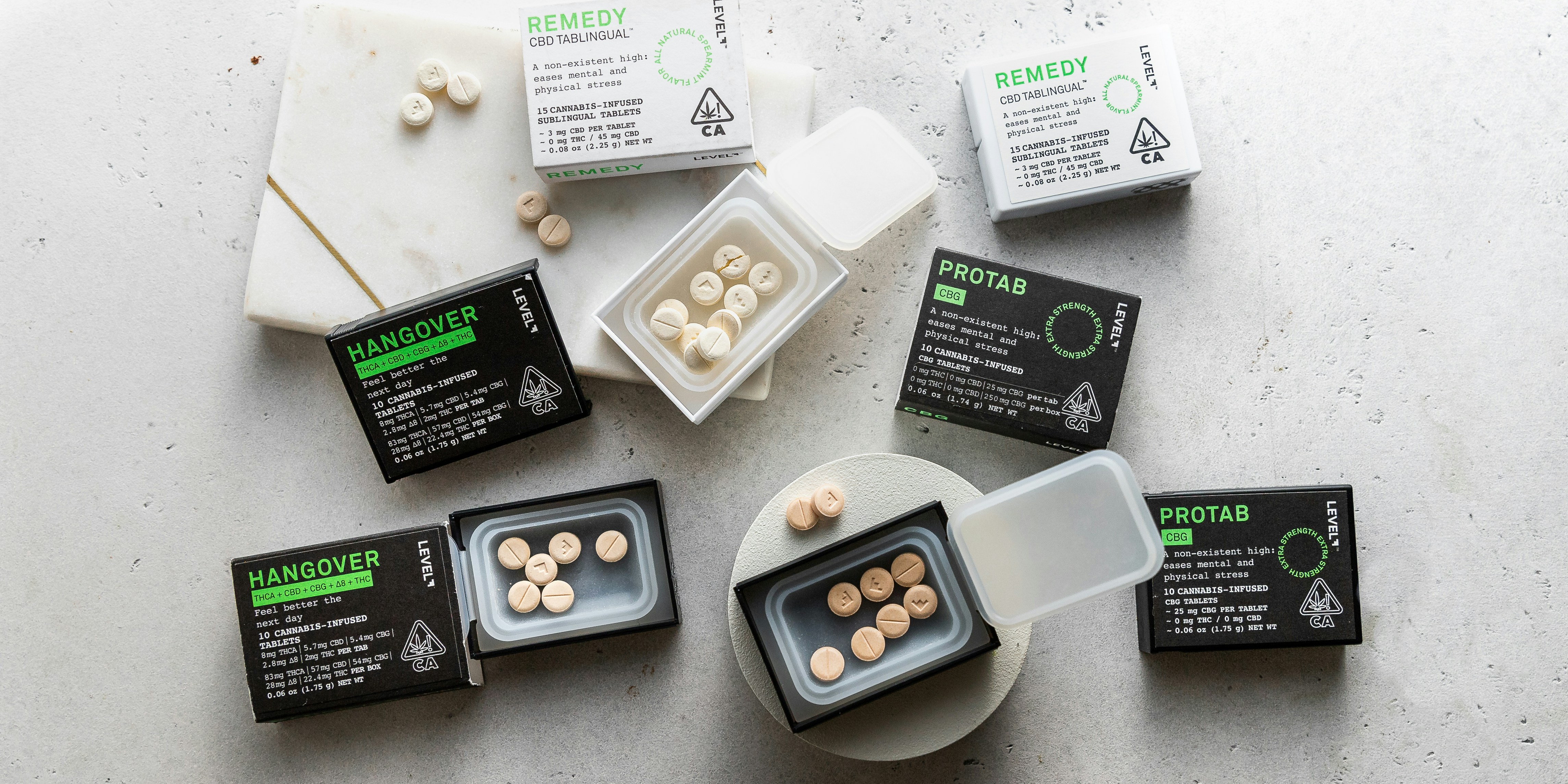
A new product category is quietly reshaping online storefronts: hemp-derived THCa. For e-commerce entrepreneurs,retailers and curious consumers alike,the promise is obvious – an emerging cannabinoid with commercial potential – but the path to selling and shipping it is indeed anything but straightforward. Federal rules, state statutes and the science of cannabinoid testing combine to create a patchwork legal landscape that can change from one ZIP code to the next.
The 2018 Farm Bill opened the door for hemp commerce by defining hemp as cannabis with no more than 0.3% delta-9 THC on a dry-weight basis. But THCa sits in a gray area: it’s a precursor to delta-9 THC and can convert under heat, and many state laws and enforcement frameworks treat it differently. For online sellers, the implications are practical and also legal – product formulation, certificates of analysis (COAs), labeling, and shipping practices all influence whether an item can lawfully move across state lines or into a particular marketplace.
This guide is designed to help e-commerce operators navigate that complexity. We’ll map where THCa is treated as farm-bill-compliant, highlight the testing and documentation buyers and platforms expect, and outline the compliance checkpoints that matter most to sellers.Because regulations evolve rapidly and enforcement varies, consider this a practical orientation rather than legal advice - consult a qualified attorney for definitive guidance before listing or shipping THCa products.


State by State Legal Landscape for THCa Under the Farm Bill
The Farm Bill created a federal baseline: hemp and its derivatives are removed from the Controlled Substances Act so long as they contain no more than 0.3% Δ9‑THC on a dry weight basis. That headline, though, masks a knot of state-level interpretations. Because THCa converts to Δ9‑THC when heated, many regulators and labs measure a “total THC” number (often using the decarboxylation factor THCa × 0.877 + Δ9‑THC) – and some states treat that total as the controlling metric while others stick to the plain dry‑weight Δ9 threshold.The result: federal permissibility does not automatically mean a product is sellable in every state.
For e-commerce sellers this creates three practical state categories – states that largely align with the federal hemp framework, states that impose explicit restrictions or bans on certain cannabinoids (including THCa), and states where regulators have left the rules ambiguous. Before listing or shipping THCa products you should confirm:
- State registration and licensing requirements for hemp product sellers
- Which THC metric the state enforces (Δ9 vs. total THC)
- Required certificates of analysis (COAs) and accepted testing labs
- Intra‑state rules like labeling, age limits, and retail restrictions
| State stance | Typical implication | Seller action |
|---|---|---|
| Aligned with federal hemp | Products meeting Δ9 ≤ 0.3% usually permitted | Maintain COA, follow labeling rules |
| Restrictive / Prohibitive | Specific cannabinoids regulated or banned | Do not list or ship until confirmed |
| Unclear / Evolving | regulatory guidance pending or inconsistent | Confirm with state authority; use conservative compliance |
Practical compliance means building a state matrix into your product pages and shipping logic: flag states with known restrictions, require up‑to‑date COAs, and adopt conservative THC calculations when unsure. keep monitoring rule changes – policy shifts can be sudden, and retail platforms and carriers frequently enough enforce their own stricter standards. Treat this landscape as dynamic rather than settled, and make clarity (clear COAs, explicit test dates and methods) central to every THCa listing.
Concluding Remarks
As the dust settles on this state-by-state map of farm-bill legality, remember that THCa’s status is less a single stamp and more a shifting mosaic. For e-commerce sellers and buyers alike, that mosaic creates prospect-but also responsibility: to know the lines on the map, to follow the rules that apply where you operate and ship, and to communicate clearly with customers.
This guide aimed to illuminate where farm-bill defenses currently reach and where they don’t, but laws and enforcement priorities evolve. treat these outlines as a starting point: verify the latest statutes, agency guidance, and court decisions before listing products, processing orders, or making claims about legality.
In practice,success in this niche won’t come from taking shortcuts but from building compliance into every part of your operation-labels,testing,shipping policies,and customer education.Stay informed, stay cautious, and let compliance be the foundation for sustainable growth in a market that’s still finding its shape.