



In the shadowed green of a laboratory greenhouse and the sunlit rows of an urban herb garden alike, a molecule quietly reshapes how people think about plant-based therapy.Tetrahydrocannabinolic acid (THCA) is the raw, non-intoxicating precursor of THC found in fresh cannabis plants – a compound that has drawn renewed attention from clinicians, botanists, and patients curious about alternatives to conventional remedies. This guide gathers expert perspectives and the best available evidence to separate botanical possibility from hype.
Here you’ll find clear explanations of what THCA is, how it differs from THC, and why the method of planning matters; practical overviews of delivery options and safety considerations; summaries of the current science and its limitations; and guidance on legal and regulatory variability across regions. The aim is not persuasion but clarity: to equip readers with balanced, research-informed insights so they can make thoughtful decisions with their healthcare providers.
Whether you’re a clinician seeking an approachable primer, a caregiver weighing options, or a curious reader navigating the expanding intersection of plant science and wellness, this expert-approved plant-based THCA therapy guide offers a steady, evidence-minded starting point. We begin by tracing THCA’s botanical origins and the biochemical pathway that turns green leaves into active compounds – a small journey from soil to science that sets the stage for informed use.

Choosing Quality Sources: how to Identify Potent Clean THCA Extracts and Full Spectrum Options
When vetting options, always start with documentation: a visible, recent Certificate of Analysis (COA) from a reputable third‑party lab tells you what’s actually inside the jar. look beyond a single number-verify the THCA percentage, total potential THC (post‑decarboxylation), the full cannabinoid panel, and a terpene fingerprint. Equally important are the contaminant screens: search the COA for pesticides,heavy metals,residual solvents,mycotoxins,and microbiological results. Transparency about harvest and lab batch numbers is your best defense against inconsistent or mislabeled products.
Extraction method has a major impact on purity and potency. Clean, modern processes preserve more of the plant’s natural chemistry while minimizing contaminants. Below is a quick comparison to help you assess manufacturing claims:
| Extraction | Cleanliness | Best for |
|---|---|---|
| Supercritical CO₂ | High – solvent-free final product | Balanced potency + terpene preservation |
| Rosin (heat & pressure) | Very high – solventless | Full-spectrum terpene-rich extracts |
| ethanol | Good – requires careful purging | High yields; cost-effective |
| Hydrocarbon (butane/propane) | Variable – must be thoroughly purged | Extremely potent concentrates |
Deciding between a full‑spectrum extract and a purified THCA isolate comes down to goals and tolerance.Full‑spectrum products retain a broader cannabinoid and terpene profile, which many users report as offering a more nuanced effect; isolates deliver predictable potency and zero other cannabinoids. be cautious of labels that promise miracles-avoid products that conceal terpene data, omit batch COAs, or add artificial color/flavor. A short checklist of red flags:
- no COA or outdated lab results
- Vague sourcing claims (no cultivar/harvest info)
- Unrealistically high potency numbers without lab backing
- No contact or batch traceability listed
consider practical supply details: responsible brands publish harvest dates, practice solvent-free purging, offer customer support to interpret COAs, and carry certifications like GMP or ISO where applicable. Packaging that blocks light and air, clear storage instructions, and small-batch runs are signs a company cares about long‑term product integrity. When in doubt, ask for the lab report and vendor traceability-quality sellers will welcome the scrutiny and provide the answers you need.

Dosage and Administration Strategies: Expert Recommendations for Plant based THCA Across Conditions
start low, move slowly. Experts recommend initiating therapy with the smallest effective amount – often a microdose – and adjusting upward at intervals of 3-7 days. This conservative titration helps isolate the therapeutic effect of plant-based THCA and reduces the risk of unwanted reactions. For most adults, an initial microdose ranges from approximately 0.5-2 mg of THCA once daily; increase by small increments (0.5-2 mg) while tracking symptoms, sleep, mood, and any side effects in a simple journal.
Choose the right route for your goals. Because THCA is sensitive to heat (which converts it into psychoactive THC), delivery methods that avoid high temperatures preserve its non-intoxicating profile. Preferred administration options include:
- Cold-extracted tinctures: precise, sublingual absorption and easy microdosing.
- Topicals: localized relief without systemic exposure.
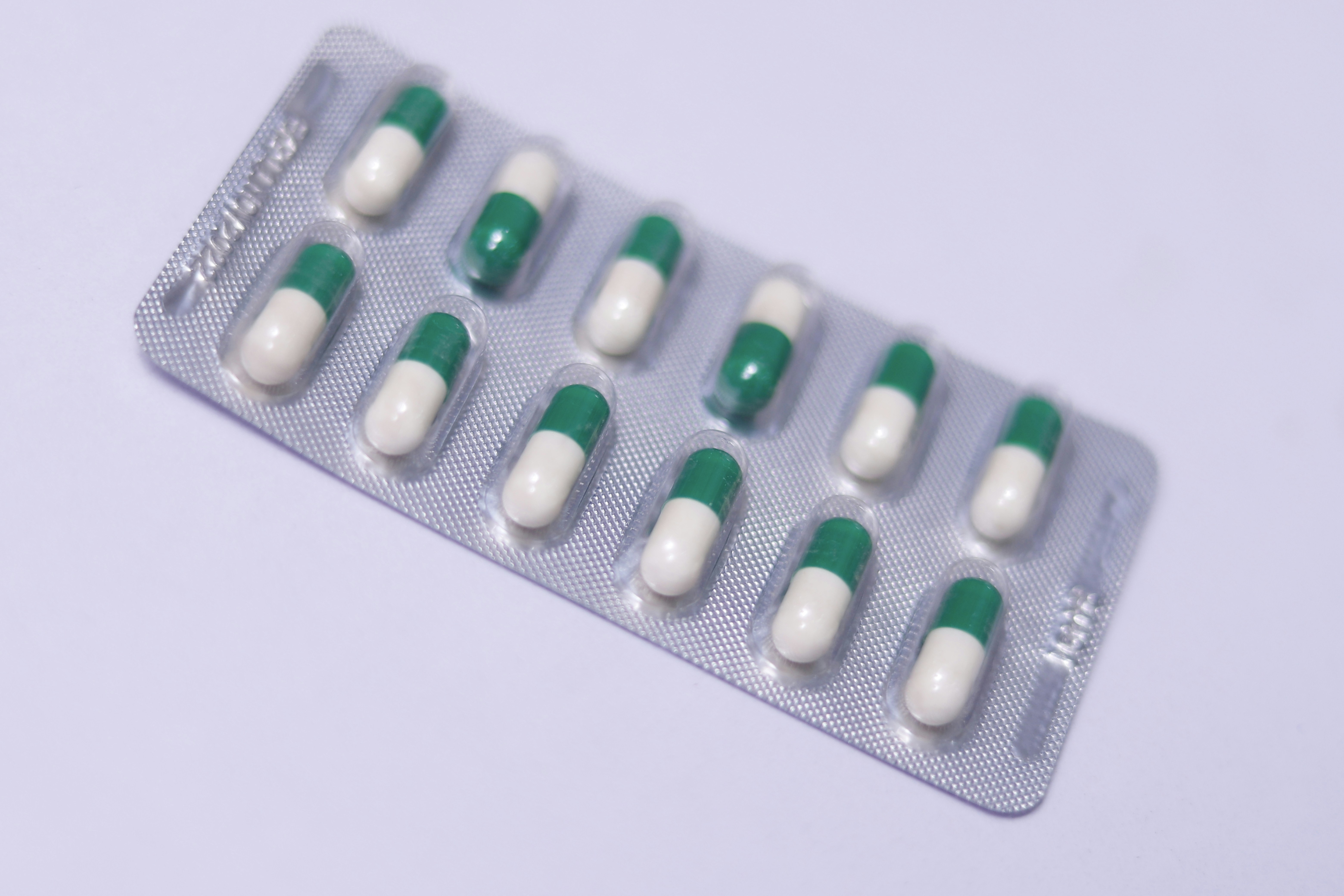
- Capsules & edibles: consistent dosing for longer duration (watch onset time).
- Suppositories: useful when oral intake is limited and for targeted absorption.
| Condition | Typical Starting Range | Frequency |
|---|---|---|
| Daily wellness / mood support | 0.5-2 mg | Once daily |
| Intermittent symptom relief (e.g., spasms) | 2-10 mg | 1-3 times daily |
| Severe, supervised cases | 10-50 mg (careful titration) | Individualized |
Safety, interactions, and monitoring. Always store THCA products refrigerated if recommended, avoid applying heat during preparation, and check labels for potency. Discuss use with a clinician if you take blood thinners, anticonvulsants, or other prescription medications, and be mindful with older adults and pregnant or breastfeeding people. Track outcomes and adverse effects, and if needed, revert to the previous well-tolerated dose – conservative adjustments are the hallmark of expert-approved plant-based THCA administration.

Formulation and Delivery Options: Comparing Raw Flower, Tinctures, Topicals, and Decarboxylation Free Preparations
Raw flower is the purest way to access THCA’s unique profile – think cold-pressed juices, blended smoothies, or simply finely chopped material added to salads. Because THCA converts to THC when exposed to heat, any method that avoids ignition or baking preserves the acid form. The sensation is frequently enough subtler and more gradual than combusted cannabis; many users report anti-inflammatory and mood-stabilizing effects without the classic intoxication. For people seeking whole-plant synergy, raw applications also deliver terpenes and flavonoids intact, adding a botanical complexity that standardized extracts can lack.
When you want consistency and convenience, tinctures and sublingual drops are excellent. Manufacturers can produce either decarboxylated (THC-dominant) or decarboxylation-free (THCA-rich) tinctures by controlling extraction temperature and solvent. typical benefits include:
- fast sublingual onset (15-45 minutes) with predictable dosing,
- longer oral effects when swallowed (2-6 hours),
- easy microdosing via calibrated droppers.
Choose glycerin or alcohol bases for flavor and shelf-stability; CO2 extracts offer a cleaner profile but often require professional dosing guidance.
Topicals and transdermals are ideal when localized relief is the goal. Creams, balms, and patches can be formulated to keep THCA intact so that the compound acts peripherally without systemic psychoactivity.Because THCA is less likely than THC to cross the blood-brain barrier, these formats are preferred for joint and muscle inflammation, dermatologic conditions, or targeted pain management. Typical delivery options include quick-absorbing lotions for surface comfort and slow-release patches for sustained relief over 8-48 hours.
Below is a quick comparison to help match format to intent:
| Format | Onset | Duration | Best use |
|---|---|---|---|
| Raw flower (juiced) | 30-90 min | 4-8 hours | Whole‑plant, anti‑inflammatory |
| THCA tincture | 15-45 min | 3-6 hours | Microdosing, consistent dosing |
| Topical / patch | 10-60 min | 4-48 hours | Localized pain, inflammation |
| Decarb‑free concentrates | Variable (depending on route) | Variable | Clinical formulations, precision therapy |
always store decarboxylation-free products in cool, dark conditions to preserve THCA and look for lab-tested labeling to verify that the product remains in the acidic form.
Monitoring Outcomes and Adjustments: Practical Tracking Tools, Side Effect Management, and When to Consult a Professional
Every therapeutic journey needs a compass – start by establishing a baseline for symptoms, sleep, mood, and daily function before changing anything. Keep measurements simple and repeatable: a one-to-ten pain or anxiety scale, a short daily journal entry, and a weekly photo or activity snapshot can reveal trends faster than memory alone. Small, consistent data points let you distinguish a true response from normal fluctuation, and they make conversations with clinicians far more productive.
Choose tracking tools that fit your life and stick to them. Useful options include:
- Smartphone apps for medication reminders and symptom charts (look for CSV export or share features).
- Paper logs for quick jotting-date, dose, route, effect, side effects.
- Wearables to monitor sleep,heart rate variability,and activity as objective markers.
- photo timelines for visible changes (skin, mobility aid use, swelling).
pair one objective metric (like sleep hours) with one subjective one (like energy score) to capture both sides of the experience.
| What to log | How frequently enough | Red flags to escalate |
|---|---|---|
| Symptom score + notes | Daily | Rapid worsening or new severe pain |
| Dose, time, route | Every administration | Breathing difficulty, chest pain |
| Sleep & mood | Nightly/weekly | New psychosis or suicidal thoughts |
Side effects are often manageable with small adjustments: try splitting doses, lowering the dose, changing the route of administration, or timing doses away from activities requiring alertness. Basic supportive measures-hydration for dry mouth, standing slowly to avoid dizziness, and avoiding alcohol-reduce many common complaints. Contact a healthcare professional promptly if you experience severe cardiovascular symptoms, trouble breathing, sudden cognitive changes, pregnancy, or if multiple medications are involved; bring your logs and any exportable app data so your clinician can make an informed, efficient plan. Bold, clear documentation accelerates safe, evidence-based adjustments.
In Retrospect
As you close this guide, think of THCA therapy as a carefully tended garden: grounded in plant science, shaped by expert insight, and responsive to the individual conditions of body, lifestyle and law. Use this guide as a map – follow evidence-informed sourcing, prioritize safety and transparency, track responses closely, and make changes in consultation with a trusted healthcare provider. keep legal and regulatory frameworks in mind, start conservatively, and favor suppliers and formulations that share third-party testing. With curiosity, caution, and professional guidance, plant-based THCA can be explored responsibly as one component of a broader wellness plan; stay informed and let emerging research continue to refine best practice.