


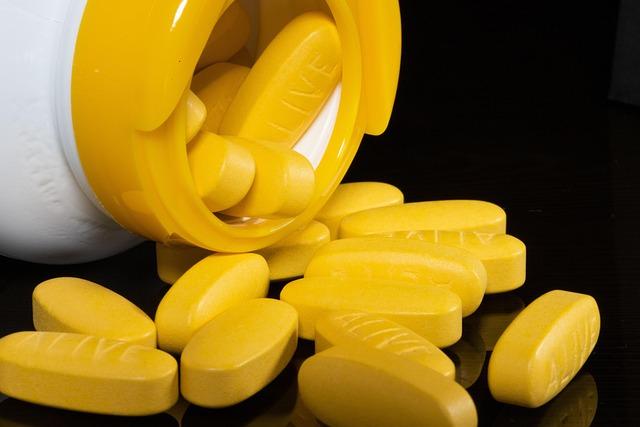
A newcomer to many wellness shelves, THCA (tetrahydrocannabinolic acid) sits at teh crossroads of plant chemistry, consumer curiosity, and shifting regulation.Not yet a household term, it’s part of the same botanical family as THC but behaves differently in the body and on the label – a subtle distinction with big implications for users, researchers, and regulators alike. This guide aims to untangle that distinction without hype: think of it as a map that lays out what THCA is, how it differs from its more famous relative, and why it has attracted interest among supplement makers.
In the pages that follow you’ll find a neutral, evidence-minded overview: the chemistry behind THCA, common product forms, how decarboxylation changes its properties, and the current regulatory landscape that shapes availability and marketing. We’ll flag where scientific knowledge is established, where it’s still emerging, and what practical questions consumers typically ask.
If you’re curious about whether THCA supplements belong in your routine, this guide won’t make that decision for you.Instead, it will give you the context and the questions to explore further – from reading labels and checking sourcing to consulting qualified professionals – so you can weigh the facts for yourself.

Practical Dosage Recommendations for Beginners and Experienced Users
Start low, go slow is the clearest rule of thumb. THCA sensitivity varies by person and by product, so begin with a conservative amount and allow time to observe subtle changes. Pay attention to the form you’re using – tinctures allow precise microdoses, capsules give fixed steps, and raw flower or concentrates can be far more variable – and always read the label for THCA content per serving. Keep a simple log of dose, timing and effects for several days before adjusting.
For those trying THCA for the first time, consider a micro‑to‑low approach: many people begin within a range of roughly 1-5 mg per day, taken once in the morning or split into two small doses. Wait 48-72 hours after the first dose to judge how you respond, then increase slowly (for example, by 1-2 mg every few days) if needed. Focus on consistency rather than pushing quickly to a larger amount; small, repeatable increments reveal what actually helps without overshooting.
Experienced users often find utility in slightly larger or split dosing strategies, commonly 5-30 mg per day depending on tolerance, goals and product potency. Strategies include splitting the daily total into morning and evening doses, cycling periods of use to limit tolerance, or combining THCA with low doses of other non‑intoxicating cannabinoids. even for seasoned users,periodic reassessment and occasional down‑titration can preserve sensitivity and allow you to find the minimum effective amount.
- Measure accurately: use calibrated droppers or scales for consistency.
- Wait before changing: give each dose change 3-7 days to register.
- Form matters: tinctures for microdosing, capsules for convenience, raw formats for variable content.
- Track interactions: note other supplements or medications and consult a professional if unsure.
| User profile | Suggested starting dose (mg/day) | Typical range (mg/day) | Quick note |
|---|---|---|---|
| Microdosing | 0.5-2 | 0.5-5 | Best for subtle support and daytime use |
| Beginner | 1-5 | 1-10 | start slow, observe 48-72 hrs |
| Experienced | 5-10 | 10-30 | Consider split doses or cycling |

Legal Status, Buying Tips and Responsible Use Guidelines
Regulation around THCA is a patchwork rather than a single map. In many places, hemp-derived products that test below the legal threshold for delta‑9 THC are treated differently from cannabis with higher THC – but that distinction does not automatically legalize THCA everywhere. Laws can treat acidic cannabinoids differently, and some jurisdictions explicitly regulate any cannabinoid nonetheless of form. Before purchasing, verify local statutes and look for vendors who clearly state their compliance and provide accessible documentation.
When shopping, treat openness as your primary filter. Prioritize brands that publish recent third‑party Certificates of Analysis (COAs),list full ingredient and cannabinoid profiles,and disclose extraction methods. Look for clear dosing information and avoid products that make health promises or miracle claims.A few practical checks:
- COA available – shows purity & potency.
- Batch numbers & expiration – indicates quality control.
- Source of hemp – region and farming practices matter.
- Clear labeling – serving size, cannabinoid breakdown, and warnings.
| What to check | Why it matters |
|---|---|
| Third‑party testing | Confirms what’s actually in the bottle |
| Extraction method | Impacts residual solvents and purity |
| Return policy | Shows confidence and recourse if product is poor |
Responsible use centers on measured expectations and safety. Adopt the mantra “start low, go slow”: try a small dose, wait the appropriate time for the product form, and increase gradually only if needed. If you take prescription medications,have a chronic condition,or are pregnant or breastfeeding,consult a healthcare professional before trying THCA. Store supplements securely out of reach of children and pets, and avoid driving or operating heavy machinery until you know how a product affects you.
Closing Remarks
As the last page of this guide,think of THCA wellness supplements as a developing story rather than a closed book: distinctive in chemistry,promising in some early reports,and still framed by gaps in evidence,regulation,and consistency between products. They are not simply “THC-lite” – in raw form THCA is largely non-intoxicating but can change under heat, and its practical effects depend on formulation, dose, and individual biology.
If you’re curious, approach it as you would any emerging supplement: look for third‑party lab testing, verify ingredient transparency, be mindful of local laws, and discuss potential interactions or concerns with a healthcare professional. Start conservatively, track any changes you notice, and weigh benefits against uncertainty.
Neutral information, careful sourcing, and personal caution will serve you best as research continues to unfold. Whether THCA becomes a staple of wellness routines or a niche option, staying informed and deliberate will help you make choices that fit your priorities.