


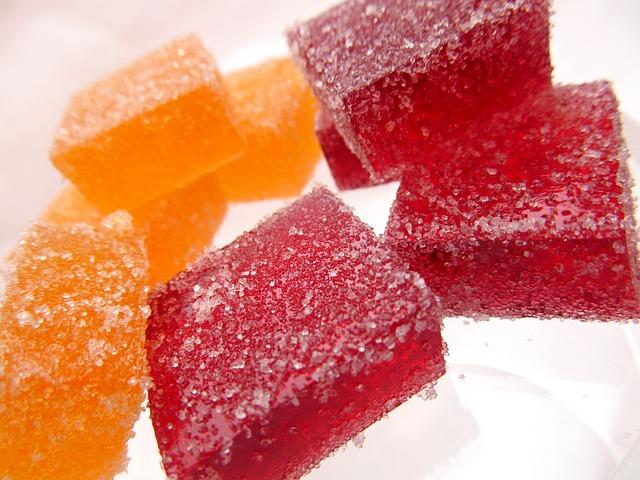
Shining, colorful, and easy to tuck into a pocket or purse, gummies have long been the friendliest face of plant-based wellness. But when that cheery candy carries THCA rather of sugar and pectin,the familiar becomes a little mysterious – a soft,chewable gateway into chemistry,legality,and a community of people looking for new ways to manage pain. This article is an invitation to look behind the wrapper without the hype.
THCA (tetrahydrocannabinolic acid) is the raw, non-intoxicating precursor to THC found in fresh cannabis.It behaves differently from the better-known cannabinoids you’ve problably heard about, and those differences matter if your main interest is relief from aches, inflammation, or chronic discomfort. Science is still evolving, user experiences vary, and laws differ by place – so a careful, informed approach is essential.
In the pages that follow, you’ll find a beginner-kind tour: what THCA is and how it differs from THC and CBD; what current research and real-world reports say about pain-related effects; how gummies are formulated and labeled; safety, dosing, and legal considerations; and practical tips for choosing tested products. Think of this as a measured map for anyone curious about THCA gummies – a starting point to ask better questions, evaluate options, and decide whether to explore further with professional guidance.

What Is THCA and Why it Matters for Pain Management
Think of this molecule as the gentle, raw cousin of THC – present in the plant before heat flips it into something intoxicating. Unlike its decarboxylated counterpart, it’s largely non-psychoactive and carries a distinct chemical profile that interacts with pain pathways in ways researchers are only beginning to map. Early studies and anecdotal reports point to anti-inflammatory and neuromodulatory actions, suggesting it can be part of a pain-care toolbox without the high many avoid.
Why should this matter if you’re exploring edibles for pain? Because keeping the molecule intact can change the user experiance and clinical potential. Products formulated to preserve it-cold-processed extracts and raw cannabis derivatives-aim to leverage its calming effects on inflammation and sensory nerve signaling while minimizing cognitive disruption. In short, it’s a candidate for people seeking symptom relief with clearer-headed functionality.
Practical use requires a thoughtful approach. Start low and move slowly, and prioritize product transparency: third-party testing, clear potency metrics, and processing methods that confirm the molecule hasn’t been converted by heat. Consider pairing with other compounds cautiously; synergy is possible, but so is interaction. Below are quick pointers to keep in mind:
- Choose lab-tested products with verified THCA content.
- Prefer cold-extraction or formulations labeled as raw THCA to avoid accidental decarboxylation.
- Begin with a small dose and monitor response over several hours.
- Discuss with a healthcare professional if you’re on other medications or have chronic conditions.
| Compound | Psychoactivity | Common role in pain |
|---|---|---|
| THCA | Minimal to none | anti-inflammatory,potential neuromodulator |
| THC | High | Analgesic,can alter pain perception |
| CBD | Non-psychoactive | Anti-inflammatory,anxiety reduction |

Selecting THCA Gummies Potency Ingredients and what Labels Really Mean
Potency labels are the compass for choosing a gummy – they tell you how much active compound is in each piece and in the whole jar. Look for two numbers: milligrams per serving (usually per gummy) and total milligrams per container.some brands also show “total potential THC” derived from THCA; this is calculated because THCA converts to THC when decarboxylated. A quick rule you’ll see on labels and lab reports: THCA × 0.877 = potential THC. That little conversion makes a big difference when predicting effects, so don’t ignore it.
Ingredients matter beyond potency. Active components (THCA,THC,other cannabinoids and terpenes) define the effect profile,while inactive ingredients determine texture,calories and dietary fit. Check for full-spectrum vs isolate on the packaging – full-spectrum products keep multiple cannabinoids and terpenes, isolates contain one purified ingredient. Also watch for sugar content, gelatin vs pectin (vegan-friendly), artificial colors or flavors, and common allergens like soy or nuts.These can be just as important as potency if you’re managing pain and wanting consistent, repeatable experiences.
Labels should also point you to safety and transparency. Before buying, confirm these label elements are present or linked:
- mg per gummy and servings per container
- Batch number and production date
- Link or QR code to a third‑party COA (certificate of analysis)
- Notes on full-spectrum/isolate and whether the THCA was decarboxylated during manufacturing
| Potency Category | Typical mg THCA per gummy | Common use |
|---|---|---|
| Low | 1-5 mg | Microdosing, first-time testers |
| Medium | 6-15 mg | Everyday symptom support for some users |
| High | 16+ mg | Experienced users seeking stronger effects |
Practically speaking, a pain-savvy approach is: read the label, confirm lab testing, and choose a potency that matches your experience level. Keep in mind manufacturing (heat, pH) can influence how much THCA becomes THC, and storage (heat and light) affects stability over time. Start with a clear, labeled product and adjust slowly – that way the numbers on the jar become useful, not confusing.

Practical Dosing and Timing Recommendations for Beginner Users
Start low, go slow is the single most useful rule for beginners. For most people new to THCA gummies, a conservative launch dose is around 1-2.5 mg of THCA; more tolerant beginners may try 2.5-5 mg. Take one gummy, note the time, and resist the urge to re-dose quickly-THCA edibles can take longer to show effects than inhaled forms. If after a full 2-3 hours you feel little to no change, increase by small increments (1-2 mg) on the next occasion rather than adding more in the same sitting.
Timing matters for pain management.when taken orally, expect a gentle onset in about 30-90 minutes, a peak between 1-3 hours, and a total window of relief that can last 4-8 hours. For predictable pain (e.g., morning stiffness or post-activity soreness), plan your dose 45-60 minutes before the anticipated episode. For flare-ups, allow a full 2-3 hours before deciding to redose. Practical tips:
- take with a small fatty snack (yogurt, nut butter) to improve absorption.
- Keep a simple log of dose, time, pain score, and side effects for a week.
- Avoid mixing with alcohol or sedatives until you know your response.
Below is a short, creative starter plan that many beginners find useful; treat it as a template to personalize rather than a strict prescription. Increase only one element at a time-dose, timing, or frequency-and give each change at least 48-72 hours to reveal consistent effects. Above all, if you are taking prescription medications, have a bleeding disorder, are pregnant, or have serious health concerns, consult your healthcare provider before starting THCA. Also, avoid heating THCA products-heat can convert THCA to THC and change the experience.
| Day | Suggested Dose | When to Take |
|---|---|---|
| 1 | 1 mg (morning) | 30-45 min before activity |
| 2 | 1-2 mg (evening) | Before bedtime routine |
| 3 | 2-3 mg (as needed) | 45-60 min prior to expected pain |
| 4-7 | Adjust by 1 mg increments | Keep consistent timing; review journal |
Insights and Conclusions
As you close this little primer on THCA gummies, remember that curiosity and caution can travel well together. THCA offers an intriguing path for people exploring plant-based approaches to discomfort, but the map is still being drawn: science, laws, and individual responses all shape the landscape.
Keep the basics in your pocket: look for tested products, begin with a low dose, wait to feel the full effect before adjusting, and check with a healthcare professional if you take other medications or have underlying conditions. Track how you feel – a simple notes app can turn vague impressions into useful data for future decisions.
If you decide to try THCA gummies, prioritize safety and legitimacy over promises and hype.Lean on lab certificates, reputable vendors, and local regulations. And remember that what helps one person may do little for another; patience and small steps are often the best companions in finding what works for you.
THCA gummies are one more tool to consider on a personal journey toward managing pain. Armed with knowledge, good judgment, and realistic expectations, you can explore responsibly and make choices that fit your health, goals, and comfort level.