


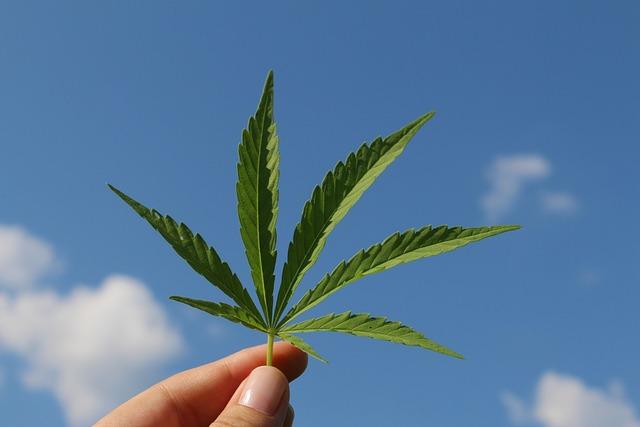
A pale,crystalline precursor tucked inside the fibers of the hemp plant,THCA is drawing fresh attention from researchers and patients alike. Long overshadowed by its better-known cousin THC, tetrahydrocannabinolic acid (THCA) offers a different story: a molecule that, in its raw form, does not produce intoxication but may carry meaningful biological activity. As interest in plant-based therapeutics broadens, THCA is emerging from the margins as a candidate worth careful, curious scrutiny.
This article traces that unfolding story. We’ll look at what THCA is and how it differs chemically and pharmacologically from decarboxylated THC; survey the preclinical and early clinical literature that hints at anti-inflammatory, neuroprotective, antiemetic, and analgesic potentials; and consider the practical and legal complexities that shape access to hemp-derived cannabinoids.Throughout, we’ll distinguish promising signals from hopeful claims, emphasizing where evidence exists and where robust clinical trials are still needed.
Exploring the therapeutic benefits of hemp-derived THCA means balancing openness to new possibilities with scientific caution. Join us as we navigate the current research, patient experiences, and regulatory landscape to understand whether this subtle compound might become a useful tool in modern medicine-or whether its promise will remain largely experimental.

Choosing High-Quality THCA Products: Lab Testing, Label Literacy and Sourcing Recommendations
Think of a Certificate of Analysis as the product’s biography: it tells you where it came from, what it truly contains and whether it’s safe to use. Reputable THCA products come with a current COA from an ISO 17025-accredited lab, clear cannabinoid and terpene breakdowns, and contaminant screens for heavy metals, pesticides, microbes and residual solvents. Pay attention to the testing date and batch number – potency and purity can vary from one harvest to one harvest, so a COA that maps to the exact batch you’re buying is essential.
Be fluent in label literacy. A clear label should state serving size, milligrams of THCA per serving, and whether the product is raw (THCA) or intended to be decarboxylated into THC with heat. Look for these quick checks before you buy:
- COA QR code or link – instant verification of lab results.
- THCA vs total THC – shows whether potency claims match the science.
- Contaminant panel – heavy metals, pesticides, solvents all tested.
- Batch number & expiration – confirms traceability and freshness.
| Test / label Item | What to Look For | Red flag |
|---|---|---|
| Cannabinoid Profile | Clear THCA mg per serving, total Δ9-THC low | Vague “% cannabinoid” claims, no COA |
| Contaminants | Non-detects or levels below limits | Missing pesticide/heavy metal panel |
| Lab Accreditation | ISO 17025 or equivalent | Unknown lab or internal testing only |
Sourcing matters almost as much as testing. Prefer products made from hemp grown in regions with robust agricultural standards, and from brands that practise seed-to-sale tracking and disclose cultivars and extraction methods. Small-batch producers and solventless extraction methods (when applicable) can indicate higher care,but always require the same COA scrutiny. If a retailer won’t share lab reports or is evasive about sourcing, consider that a clear signal to look elsewhere.
When you’re ready to buy, follow a simple verification routine: scan the COA, compare its numbers to the label, confirm the lab’s accreditation and the batch match, and check for an accessible privacy/contact policy. These small steps reduce risk and make it far more likely the THCA product you choose is both effective and safe.

Clinical integration and Legal Considerations: Protocols, Complementary Therapies and Compliance Tips
Integrating hemp-derived THCA into clinical practice requires a pragmatic, patient-centered approach: begin with a thorough history, set measurable goals, and adopt a “start low and go slow” titration strategy. Work within an interdisciplinary team-physicians, pharmacists, and rehabilitation specialists-to align dosing with concurrent therapies and to anticipate drug interactions. Ensure every treatment plan includes clear informed consent and documentation that outlines expected outcomes, monitoring intervals, and contingency steps for adverse events.
Core protocol elements to standardize care include:
- Product verification: batch-specific Certificates of Analysis (COAs) and third-party testing for potency and contaminants.
- Dosing framework: initial microdosing, scheduled reassessment, and objective outcome measures.
- Safety monitoring: baseline labs when indicated, adverse-event logs, and follow-up workflows.
- Contraindication screening: pregnancy, severe hepatic impairment, and medications with narrow therapeutic windows.
THCA often works best as part of a multimodal plan. Consider pairing with non-pharmacologic therapies-such as targeted physical therapy, cognitive-behavioral techniques, acupuncture, and dietary optimization-to amplify functional gains without increasing pharmacologic burden. Complementary pharmacotherapies like CBD may provide synergistic effects; however, frame such combinations within an evidence-informed trial period and track both symptom changes and tolerability with validated scales.
Regulatory landscapes differ widely, so prioritize compliance at every step. Maintain robust supply-chain traceability, train staff on local rules, and keep patient records audit-ready. Below is a simple compliance checklist to use as a quick reference:
| Item | Recommended action |
|---|---|
| COA | Attach to patient file and verify cannabinoid profile |
| Informed consent | Document risks, benefits, and alternative treatments |
| Recordkeeping | Log dosing, outcomes, and adverse events for 3-7 years |
| Legal review | Consult counsel for jurisdictional guidance before prescribing |
To Conclude
As we fold the map and tuck away our notes, the story of hemp-derived THCA feels less like a final destination than a frontier-at once promising and unfinished. Early findings and anecdotal reports sketch an intriguing outline of therapeutic potential, but the picture remains fluid: more rigorous research, clearer regulations, and careful clinical guidance are needed before confident conclusions can be drawn.
If you’re curious, treat THCA the way you would any emerging remedy-learn the science, talk with knowledgeable health professionals, and pay attention to legal and product-quality signals. Doing so lets you explore with both inventiveness and caution.
Ultimately, hemp-derived THCA invites curiosity rather than certainty. It offers new threads to follow in the wider tapestry of botanical medicine, reminding us that discovery is often a patient, incremental process. Stay informed,stay critical,and let emerging evidence-not hype-be your guide.