


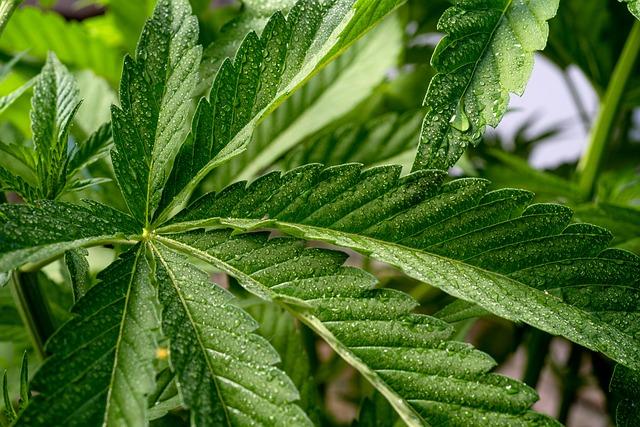
Morning sunlight pours over rows of green, and from between the leaves a bright, citrus-sweet whisper rises – an aroma that promises energy, clarity, and a little lift to the day. Farm-Fresh Sativa THCA: Fruity Daytime Strains draws you into that fresh moment, where plant, place, and profile meet. This introduction isn’t a promise of miracles; it’s an invitation to explore the lighter, fruit-forward side of sativa varieties harvested with care and intended for daytime enjoyment.
At the center of the story is THCA, the raw cannabinoid found in living cannabis that transforms under heat into the better-known THC, and alongside it the terpenes that give strains their strawberry, mango, or lemon peel signatures. Sativas, bred and cultivated for vivacity rather than sedation, often pair those bright terpene bouquets with an uplifting character that suits mornings, creative work, and social outings. “Farm-fresh” here signals cultivation practices that preserve aroma and terpene integrity – from careful harvest timing to gentle handling and timely testing.
This article will walk the line between sensory tasting notes and practical context: profiling standout fruity sativa THCA strains, explaining what farm-focused production brings to flavor and effect, and outlining what consumers should know about freshness, testing, and responsible daytime use. Expect vivid descriptions grounded in facts – a guide for readers who want to appreciate these strains on their terms,with curiosity and clarity.

Cultivation and Harvest Practices That Preserve Fresh THCA and Vibrant Fruit Aromas
Picking at the right hour and treating buds like delicate fruit are where flavor and potency begin. Harvesting during the cooler part of the day-early morning or late dusk-helps lock in volatile terpenes and keeps temperatures low enough to avoid early decarboxylation of THCA. Gentle handling is non-negotiable: minimize shaking, avoid heavy mechanical trimming that rubs off gland heads, and sort canopy tiers so denser, sun-exposed cola get tailored drying rather than a one-size-fits-all approach.
Controlled drying and curing are the kitchen where fruity notes either bloom or fade. Aim for a slow, dark drying at roughly 60-65°F (15-18°C) with 50-60% relative humidity to maintain terpene integrity while preventing mold. Curing in small, airtight glass jars with daily burps for the first two weeks preserves aroma complexity; for truly vibrant profiles, consider a cool secondary cure (around 55°F / 13°C) to stabilize THCA without promoting conversion into THC.
For ultra-fresh profiles, the cold chain and oxygen control are essential.Producers who want live, fruit-forward expressions often flash-freeze flower immediately post-harvest for extraction into live resins, or store cured flower in opaque jars flushed with nitrogen to reduce oxidative loss. Small-batch handling, single-harvest jars, and low-light storage keep aromas punchy and THCA intact from farm to consumer.
- Harvest timing: cooler hours to keep terpenes.
- Gentle trimming: prioritize hand-trim or low-impact machines.
- Dry/cure climate: 60-65°F,50-60% RH; small jars.
- Storage: opaque glass, inert gas flush, cool dark place.
| Stage | Ideal Temp/RH | Quick Benefit |
|---|---|---|
| harvest | Cool hours | Maximize terpenes |
| Drying | 60-65°F / 50-60% RH | Slow terpene retention |
| Curing | Jar, cool dark | Flavor growth |
| Storage | Cool, low O₂ | Preserve THCA |

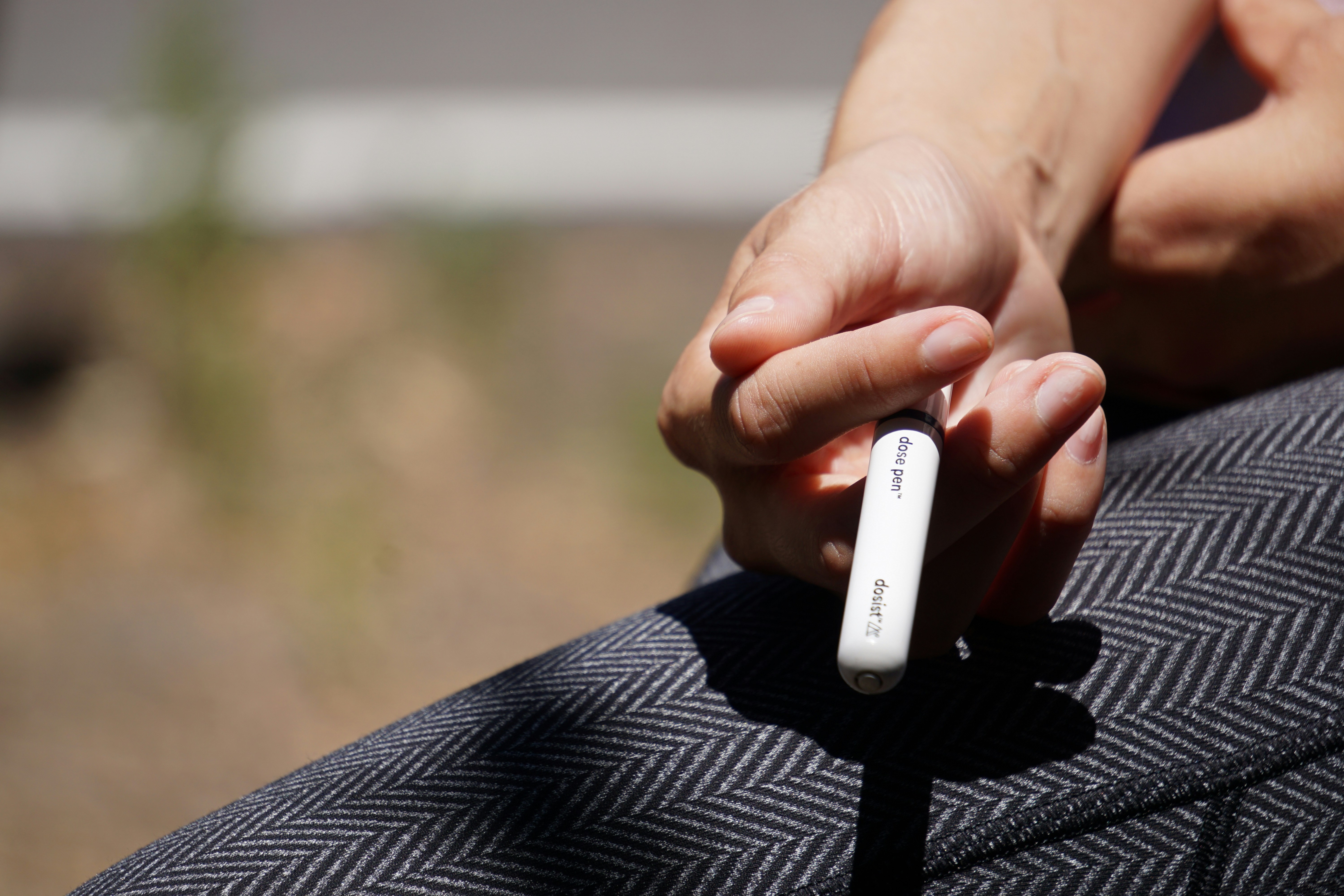
Consumption Methods Microdosing and timing tips for Productive Daytime Use
For daytime uplift with a farm-fresh sativa, the consumption style shapes the experience. Choose low-temp vaporization to coax out bright, fruity terpenes without fully decarboxylating every molecule – this gives a lively, controllable buzz and fast onset. Sublingual tinctures offer precise dosing and predictable timing, while small, low-dose edibles are best reserved for when you want a longer, steadier window of focus.Remember: raw THCA behaves differently than decarbed cannabis – a little heat nudges THCA toward a more classic uplift, so adjust your method depending on whether you want a gentle botanical lift or a more traditional psychoactive effect.
Microdosing is an art of subtlety. Start with a very small amount – frequently enough in the range of 1-3 mg of activated cannabinoid equivalent if you’re using decarbed products – and increase in tiny increments only after tracking the effects. keep a simple log of dose, time, and task performance; this is the quickest way to find your sweet spot without overshooting. If using tinctures,take a measured drop or two under the tongue and wait at least 20-30 minutes before deciding to redose. For vaporizers,one short puff followed by a 10-15 minute pause is a conservative approach.
Timing is everything for productive daytime use.Plan dosing windows around your work blocks: a light dose about 30-45 minutes before creative tasks can smooth mental chatter and heighten flow, while heavier or edible doses are better timed for long, low-intensity sessions where you don’t need immediate responsiveness. Avoid microdosing right before high-stakes meetings or tasks requiring split-second decisions until you know exactly how your body responds. Hydration,a quick walk,and a snack can sharpen the effects and keep you grounded.
| Method | Typical Onset | microdose Tip |
|---|---|---|
| Low-temp vaporizer | 5-15 minutes | 1 short puff, wait |
| Sublingual tincture | 15-30 minutes | Start 1-3 drops |
| Light edible | 45-90 minutes | Begin 1-2.5 mg |
- Measure precisely – use a scale or calibrated dropper.
- Wait and record – give each dose time to reveal itself.
- Match dose to task – micro doses for high-focus, slightly more for creative flow.
- Stay hydrated and mobile – movement amplifies clarity.

shopping Lab Testing and Storage Strategies to Keep Your Farm Fresh Sativa Potent
When you’re selecting fruity daytime sativas from a farm or boutique grower,look beyond the label and toward sensory cues: a vibrant terpene bouquet,sticky but springy buds,and clear trichome coverage are signs of careful harvest and curing. Ask for harvest and cure dates, or for growers to point out recent flushes and hang-times-these small details often mean the difference between bright, citrusy terps and a dull, faded profile. Prioritize vendors who disclose cultivation practices and who handle flower gently from harvest to sale; clarity often equals potency retention.
Lab reports are your best defence against surprises.Always request a current COA (Certificate of Analysis) from an self-reliant lab and scan for these basics:
- THCA/Cannabinoid profile – confirms expected potency.
- Terpene breakdown – predicts aroma and daytime effects.
- Pesticide and solvent screens – ensures safety and purity.
- microbial assays – especially important for farm-kept, high-moisture material.
Vendors that provide QR-linked COAs or batch barcodes are demonstrating good traceability-an easy win when shopping for living, high-THCA sativas.
Storage is a small ritual with big rewards. Keep flower in a stable, dark, and slightly cool surroundings to slow THCA decarboxylation and terpene evaporation. Below is a quick reference table for ideal conditions:
| Parameter | Ideal Range | Why it matters |
|---|---|---|
| Temperature | 60-68°F (15-20°C) | prevents terpene loss and decarboxylation |
| Relative Humidity | 55-62% | Maintains trichome integrity and avoids mold |
| Light | Dark storage | Protects cannabinoids from degradation |
| Container | Opaque glass jar | Airtight, inert, non-plastic surface |
cultivate good habits at home: label jars with strain and harvest dates, rotate stock so older batches are used first, use humidity packs (62% for sativas with fruity terps), and avoid pre-grinding until just before use. Treat each jar like a mini-curation-gentle handling and proper documentation will keep that bright, daytime energy intact for as long as possible.
In Summary
As the morning sun traces the rows and the first inhale of orchard-sweet aroma fills the air, farm-fresh sativa THCA strains remind us why daytime varietals hold a special place in the garden and the glass. Their bright,fruity profiles and lively effects pair naturally with curiosity,creativity,and the small rituals that shape a day. Whether you’re chasing a burst of citrus clarity or a mellowly motivating berry lift, these strains offer a palette of flavors and experiences rooted in soil, sun, and careful cultivation.
As always, approach exploration with care: know your local laws, pay attention to lab testing and source transparency, and consider your own tolerance and needs. With that balance,the fruity sativas harvested at their peak can be a refreshing chapter in the story of daytime enjoyment-one best savored thoughtfully,like a ripe piece of fruit at dawn.