


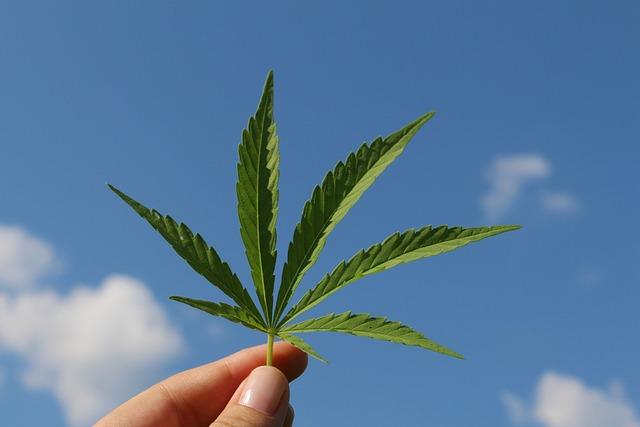
Sunlight filters through rows of serrated leaves, and the first breath of dawn seems to carry a hint of citrus and ripe berries. Farm-fresh sativa THCA evokes that orchard-on-the-edge feeling: lively, luminous, and layered with fruity whispers that invite a closer look. This article explores those top-shelf fruity profiles-not as hype, but as a sensory map of what comes straight from the field when careful cultivation meets varietal character.We’ll walk through how growers and cultivars coax out distinct fruit-forward notes, what “farm-fresh” realy means in terms of harvest timing and handling, and how terpenes and THCA interplay to create unmistakable aromatics-from zesty citrus and green apple to tropical mango and perfumey berry. Along the way, you’ll find neutral, practical touchstones for assessing quality-aroma, appearance, and lab-backed profiling-without the spin.
Whether you’re a curious consumer, a curious journalist, or someone interested in the craft behind premium sativa, this introduction sets the scene for a closer tasting of the field-to-curiosity journey. Expect clear, grounded insights into fruity profiles that define today’s top-shelf sativa THCA and the farming choices that shape them.

Cultivar Spotlights and Growing Tips to Amplify Fruit Forward Aromas
Think of sun-warmed citrus and berry jam distilled into trichome-rich buds-that’s the sensory promise of top-shelf sativas. Varieties like Tangie, Strawberry Cough, and Pineapple Express stand out for their naturally bright, fruity bouquets. When you spotlight these cultivars, emphasize their terpene fingerprints: bright limonene highs, sweet myrcene undertones, and the peppery snap of caryophyllene that rounds out a complex profile. Describing each strain as a tasting note-tangerine zest, ripe strawberry, tropical pineapple-helps readers visualize how subtle grow decisions will steer aroma toward fruit-forward clarity.
To coax those notes into full expression, focus on environmental and timing cues that favor terpene production over sheer biomass. Small, intentional interventions make the biggest aromatic differences:
- Light spectrum – add a touch more blue in late flower to preserve volatile terpenes.
- Controlled stress – gentle defoliation and low-stress training can concentrate resin without shocking the plant.
- flush and harvest timing – a well-timed flush and harvesting just before peak trichome cloudiness helps retain brightness.
- Nutrient tapering – reduce nitrogen in late flower to avoid harsh, grassy notes.
| Cultivar | Dominant Terpene | Fruit Note | Quick Grow Tip |
|---|---|---|---|
| Tangie | Limonene | Tangerine zest | Harvest slightly early for brighter citrus |
| Strawberry Cough | Myrcene | Sweet strawberry | Slow cure to round sugars |
| pineapple Express | Limonene / Caryophyllene | Tropical pineapple | Moderate humidity to retain volatile oils |
Post-harvest decisions are where fruit-forward aromas are made or lost: a rapid dry will bleach terpenes, while a patient, cool cure lets esters and terpenes meld into vibrant bouquets. Aim for a gradual dry to 60% relative humidity, then jar with periodic burping for the first two weeks. Above all, prioritize gentle handling and stable storage: dark, cool, and steady conditions preserve the nuance of those top-shelf fruity profiles so that each bowl or sample opens like a ripe piece of fruit on the nose.

Lab Insights and Potency Guidance: interpreting THCA Results and Safety Recommendations
Lab numbers are more than ink on a page-they’re a snapshot of how your harvest will perform after heat converts THCA into active THC. To estimate the psychoactive potential, use the common conversion factor: THC ≈ THCA × 0.877.So a flower testing at 22% THCA will yield roughly 19.3% THC after full decarboxylation. Keep in mind that lab precision, sample heterogeneity, and how you consume the flower (vape, smoke, cook) all influence the realized effect.
When reading a COA, prioritize clarity and completeness. look for total potential THC, moisture content, terpene profile, and any flags for residual solvents or pesticides. Also pay attention to batch variance-farm-fresh sativa runs can vary even within the same crop. Useful things to check include:
- THCA % and Total Potential THC
- Terpene breakdown (for aroma and entourage hints)
- Contaminant screens (pesticides, heavy metals, solvents)
- Lab accreditation and batch number for traceability
| Measured THCA | Estimated THC (post-decarb) | Potency Category |
|---|---|---|
| 10%-14% | 8.8%-12.3% | Moderate |
| 15%-19% | 13.2%-16.6% | Strong |
| 20%+ | 17.5%+ | High-potency |
Safety first: treat lab percentages as guidance, not guarantees. If you’re new or trying a especially fruity, high-THCA sativa from a fresh run, start low and go slow-small doses, long waits (30-90 minutes for inhalation, up to 2 hours for edibles). Store in a cool, dark place in child-resistant packaging, and never mix with alcohol or other depressants. If you have health concerns or take medications, consult a healthcare professional before use; when in doubt, lean toward lower-dose selections and verified lab-tested batches for predictable, safe enjoyment.
final Thoughts
From sunlit rows to the glass jar on your shelf, farm-fresh Sativa THCA with top-shelf fruity profiles brings a sensory bridge between field and flavor. Whether you linger on notes of citrus, berry, or tropical stone fruit, these cultivars showcase how careful growing and thoughtful curing can amplify bright, expressive terpene signatures without losing that unmistakable sativa lift.
As with any specialty product, the appeal lies as much in provenance and craft as in taste – seek transparently sourced offerings, respect local laws, and approach sampling with curiosity and moderation. these fruity Sativas invite a simple, seasonal pleasure: a fresh, lively moment that celebrates the plant’s aromatic complexity and the hands that tended it.