


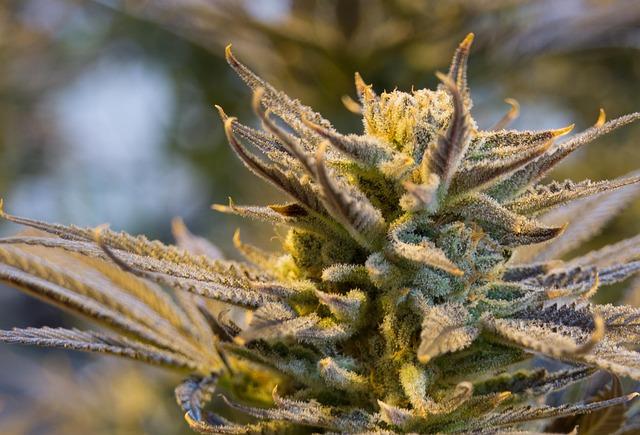
A slow, deep inhale – green, resin-studded nugs, earth and citrus folding into a hush that settles the day. For many seekers of restful evenings, THCA-rich Indica buds promise that quiet: dense flower that leans toward sedation and comfort, waiting to reveal its profile when handled, heated or tested.But in a market that has grown fast and varied, the difference between a memorable session and a disappointing – or unsafe – experiance frequently enough comes down to one thing: trustworthy science behind the jar.
This article walks you through finding locally lab-tested premium THCA Indica buds with a clear,practical lens. You’ll learn why lab testing matters (potency, contaminants, terpene clarity), how to read certificates of analysis without getting lost in jargon, where certified products typically surface in a legal marketplace, and what markers distinguish genuinely premium flower from good marketing. Neutral, evidence-focused and grounded in local compliance, this guide is meant to help you shop with confidence rather than impulse.

Interpreting Potency Numbers and Contaminant Panels: Practical Red flags and Acceptance Thresholds
Lab reports can look like a foreign language until you know the basic grammar: THCA is the raw cannabinoid measured on most Certificates of Analysis (COAs), while the intoxicating potential is usually expressed as “total potential THC.” A simple conversion that many labs use is THC (pot.) = THCA × 0.877 + Δ9‑THC. Totals that don’t add up, wildly differing units (mg/g vs. %), or missing chromatograms are immediate signs that something in the report shouldn’t be trusted. Remember that potency is a batch snapshot – a single percentage doesn’t capture terpene richness, cannabinoid balance, or how the flower was cured.
Practical red flags are often visual and numerical at once. Watch for COAs that lack a clear sample ID or chain of custody, reports with only summary tables and no chromatogram screenshots, and potency numbers that look too rounded (e.g., 20.0%, 25.0% repeatedly) – labs typically report to two decimals. On the contaminant side, be wary of elevated moisture content (mold risk), any detected regulated pesticide active ingredient above typical action levels, or high total yeast & mold counts. If a lab flags a contaminant but provides no method or detection limit, consider that result suspect.
- Missing chromatogram - no raw trace to verify peaks.
- Inconsistent units – mg/g vs % without conversion notes.
- excessive rounding – repeated whole numbers across batches.
- Unknown lab – no accreditation or contact info listed.
below is a swift-reference table of common acceptance thresholds used by many dispensaries and labs. These are practical, not regulatory absolutes – always default to local legal limits and accredited lab standards.
| analyte | Typical Acceptance |
|---|---|
| THCA (premium indica) | ≥ 18% (many buyers expect 18-25%) |
| Total potential THC | ≥ 20% for premium labeling |
| Moisture | 10-12% (higher = mold risk) |
| Pesticides | Non-detect or commonly <100 ppb per analyte |
| Heavy metals (lead) | Typically <0.5 ppm |
| Total Yeast & Mold | <1000 CFU/g (lower is better) |
| Aflatoxins | <20 ppb (commonly used action level) |
When in doubt, cross‑check: ask for the raw chromatograms, confirm the lab accreditation, compare the COA batch number to the package, and if a vendor resists clarity, treat that as a red flag. A consistent COA history across batches, clear methodology, and readable data (LOD/LOQ shown) are the best practical signals that those glossy potency numbers and contaminant panels are worth believing rather than simply marketing copy.

Local Cultivars Worth Trying and Criteria for Choosing Reputable Growers
Local breeders have been quietly shaping some of the best THCA-forward Indica genetics, producing buds that reflect terroir as much as technique. Consider small-batch selections like Sierra Velvet (dense, resinous flowers with dark purple hues), Midnight Ember (spicy-citrus terpenes perched on a heavy, sticky bud), and Cedar Peak (earthy, pine-forward profiles that test consistently high for THCA). These cultivars tend to thrive in cooler microclimates and often deliver more predictable lab results when grown by cultivators who understand local rhythms.
Quick reference for growers and buyers – a snapshot of what to expect from these local favorites:
| Cultivar | Signature Notes | Typical Lab THCA |
|---|---|---|
| Sierra velvet | Berry, Vanilla | 22-28% |
| Midnight Ember | Citrus, Spice | 24-30% |
| Cedar Peak | Pine, Earth | 20-26% |
When hunting for a reliable grower, look beyond glossy packaging. Vet growers using these practical criteria:
- Transparent lab results: Batch-level COAs from third-party labs that include THCA,cannabinoid profiles,and contaminant screens.
- Consistent phenotype runs: Reputable growers can show multiple harvests of the same cultivar with similar test results and appearance.
- Traceability: Clear harvest dates, batch numbers, and grow notes that tie the product back to a specific facility and team.
- Lasting practices: integrated pest management, clean nutrient sources, and documented post-harvest curing to preserve terpenes and potency.
- Community reputation: Reviews from local dispensaries, peers, or cultivator cooperatives that corroborate claims.
Always confirm COAs match the advertised batch and prefer growers who welcome questions and farm visits. A brief look at curing rooms, a photo of lab slip with matching batch number, or a willingness to discuss cultivation cycles speaks volumes-especially when you’re pursuing premium, locally tuned THCA indica buds.
Closing Remarks
Whether you’re chasing a mellow evening or a restorative night’s sleep, finding locally sourced, lab-tested THCA indica buds puts information – not guesswork – at the center of your choice.Lab reports reveal potency, terpene profiles and contaminant screens so you can match a strain’s effects to your needs with confidence. Shopping local gives you the added benefit of freshness and the chance to ask questions in person, while still relying on scientific verification.
As laws and products evolve, make verification your habit: examine certificates of analysis, talk to informed staff, and confirm compliance with local regulations. store your flower properly, start low and go slow if you’re trying a new batch, and consult a professional if you have health concerns.
premium THCA indica isn’t just about a label - its about traceable quality, thoughtful sourcing and informed use. Let those principles guide your next pick, and savor the peace of mind that comes with choosing tested, local buds.