


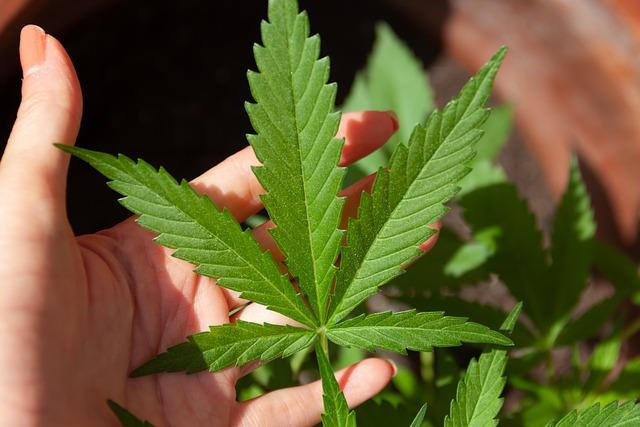
The market for hemp-derived products has grown into a crowded bazaar where scientific names, acronyms and colorful labels compete for attention. For shoppers who are curious about THCA or who want options that deliver similar ritual or chemical variety without relying on THCA specifically, the hunt can feel like navigating a map without a legend. This guide aims to be that legend – a clear, practical compass for finding legal, well-made alternatives and trustworthy places to buy them.
Over the next pages you’ll find a tour of common option cannabinoids and product types, pointers for reading labels and lab reports, and criteria for spotting reputable retailers both online and in your local community. Rather than promising effects or taking sides, the focus here is on helping you make informed choices: what to look for, what questions to ask, and how to weigh quality, legality and transparency as you shop.Think of it as a calm companion for smart, conscientious browsing in an evolving market.
Legal Landscape and state by State Considerations for THCA Alternatives
The national picture is a patchwork: while the 2018 farm Bill created a federal hemp framework, it did not resolve every question around novel hemp cannabinoids. Regulatory agencies, local lawmakers and courts have filled gaps unevenly, so what’s permitted in one jurisdiction can be restricted in the next. For anyone sourcing or selling THCA alternatives, understanding both the federal framework and your state’s regulatory posture is essential before listing products or placing orders.
States tend to fall into broad categories-permissive, restrictive, or ambiguous-and each applies different rules to product composition, labeling, age limits and retail venues. Practical points to watch include:
- Product composition: declared cannabinoid levels and residual solvents
- Lab documentation: accessible COAs (Certificate of Analysis) for every batch
- Labeling & packaging: child-resistant, accurate claims, and required warnings
- Shipping rules: interstate transport can trigger additional scrutiny
| State (example) | Typical approach | Buyer/Seller consideration |
|---|---|---|
| California | Regulated market with labeling expectations | Ensure local compliance and city-level ordinances |
| texas | Conservative enforcement; ambiguity around novel isomers | Prefer explicit COAs and consult local counsel |
| New York | Active rulemaking and evolving guidelines | Track agency guidance; update product files regularly |
| Idaho | Restrictive posture toward hemp cannabinoids | High risk for noncompliant shipments; verify before selling |
For both consumers and retailers the safest path is practical compliance: keep clear batch documentation, request up-to-date third-party testing, and adopt conservative labeling. When in doubt, lean on the side of transparency-display COAs prominently and include clear ingredient lists. remember that regulations change quickly; make regulatory monitoring part of your routine so your THCA alternative supply chain stays legal and trustworthy.

Comparing Cannabinoid Profiles, Effects, and Safety of Popular THCA Substitutes
When you look beyond THCA, the cannabinoid landscape opens into distinct chemical personalities. Some alternatives like CBD and CBG are non-intoxicating and often chosen for daytime use, while molecules such as Delta‑8 THC and HHC offer mild to moderate psychoactive effects that can mimic parts of the THC experiance without the same intensity. Each compound’s profile-acidic precursors, terpene entourage, and minor cannabinoid companions-shapes how it feels, how long it lasts, and how it interacts with your body’s endocannabinoid system.
The subjective effects vary widely: imagine CBD as a smoothing counterpoint, THCV as a sharper, shorter ride, and Delta‑8 as a mellow echo of conventional THC.Consider these short distinctions:
- Onset: vapes and isolates act fast; tinctures and edibles take longer.
- Psychoactivity: ranges from none (CBD, CBDA) to mild/moderate (Delta‑8, HHC).
- Duration: edibles last longest; inhalation is brief but potent.
Safety is the common thread that should guide any swap. Prioritize products with clear, third‑party Certificates of Analysis (COAs) showing cannabinoid potency and contaminant screens. Watch for residual solvents, heavy metals, and pesticides-especially in synthesized or heavily processed substitutes. Also be mindful that legal status and labeling can lag behind science, so research sourcing and start with low doses until you understand an unfamiliar compound’s effects.
| Compound | Psychoactivity | Typical Use | Fast Note |
|---|---|---|---|
| CBD | None | Everyday balance | Widely tested, broad availability |
| Delta‑8 | Mild | relaxation, light euphoria | Varies by source, check COA |
| HHC | Mild-Moderate | Alternative to THC | Semi-synthetic; quality matters |
| CBG / THCV | Minimal-Mild | Targeted effects, daytime use | Often found in full‑spectrum blends |

Product Types, Formulations, and Practical Dosing Recommendations
Hemp-derived alternatives come in a surprising variety of forms, each crafted for different routines and preferences. Think tinctures for measured sublingual dosing, chewable gummies for discreet daytime use, inhalable vape juices and flower for fast onset, slow-and-steady capsules for predictable dosing, and targeted topicals for localized application. Makers also offer concentrated isolates and blended full‑ or broad‑spectrum formulations that layer minor cannabinoids and terpenes to broaden the sensory profile without relying on THCA.
Formulation matters as much as form: full‑spectrum products aim for an “entourage” of compounds, broad‑spectrum removes trace THC while keeping other botanicals, and isolates focus on a single constituent for purity. Carrier oils (MCT, hempseed), flavoring agents, and extraction methods (CO2 vs. solvent) change mouthfeel and potency perception. For a quick checklist, consider these practical tradeoffs:
- Fast vs. slow onset: inhalation > sublingual > oral
- Predictability: capsules and isolates are most consistent
- Sensory experience: full‑spectrum products often feel more “rounded”
- Safety and transparency: prefer third‑party lab tested items
When it comes to dosing, a conservative “start low, go slow” approach serves most users well. Keep a simple log of dose, time, and how you feel; increase by small increments every few days only if needed. The table below gives short, practical starting points and what to expect timing‑wise – these are general guidelines, not medical advice. Always review product COAs and consult a healthcare professional if you’re unsure.
| Product | Typical Starting Dose | Onset | Duration |
|---|---|---|---|
| Tincture (sublingual) | 5-15 mg | 15-45 min | 4-6 hrs |
| gummies (edible) | 5-10 mg | 30-120 min | 6-8 hrs |
| Vape / Flower | 1-5 mg per inhalation | 2-10 min | 1-3 hrs |
| Topical | Apply thin layer | 10-30 min | 2-6 hrs |
Key Takeaways
As you close this guide, think of your search for THCA hemp alternatives like charting a course across a coastline with many inlets – some clearly marked, others best approached with a cautious eye. The right stop will depend on your priorities: legality in your area, lab-tested transparency, product type and potency, and the kind of retailer you trust. Armed with a checklist – check local laws, review COAs, compare ingredients and customer feedback, and start small – you can move from wandering to purposeful shopping.
Whether you choose a licensed dispensary, a reputable online vendor, or a local hemp producer, prioritize clarity and safety over marketing flair. Good sellers make documentation easy to find and welcome questions; they’ll respect your need for information without pressure. Balance price with proof of quality,and remember that the most convenient option isn’t always the best fit for your needs.
Regulations and products evolve, so make this a repeatable ritual rather than a one-time decision: revisit policies, re-check certificates, and adjust as new alternatives and research emerge. With patience and a little due diligence,you can find THCA hemp alternatives that align with your values and expectations – and leave the map in a place where it’s easy to update.

