


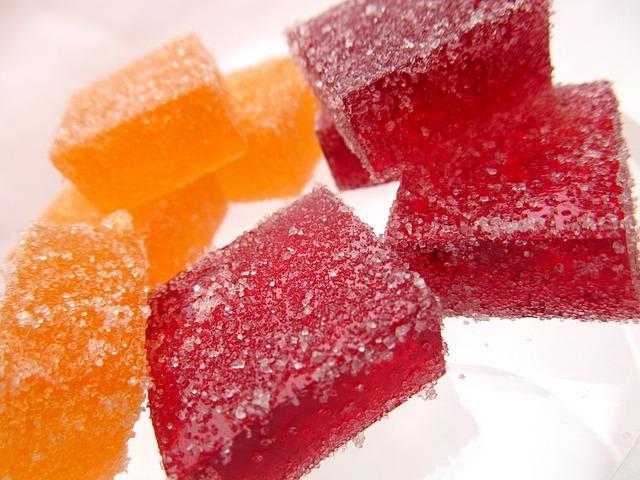
You’re standing at the crossroads of curiosity and caution, phone in hand, searching for “THCA gummies near me” and wondering which path leads to quality, safety, and the right dose for you. THCA-tetrahydrocannabinolic acid-has been attracting attention for its presence in hemp and cannabis products, and gummies offer a familiar, discreet format that’s easy to shop for locally. But not all products are created equal: sourcing, lab testing, and clear labeling matter as much as flavor and price.This article will guide you like a reliable map, showing how to find reputable retailers and interpret lab reports, what to look for on labels, and which local purchasing options (dispensaries, licensed shops, online vendors with local delivery) tend to be more trustworthy. It will also include a practical, safety-frist dosage section-grounded in the ”start low, go slow” principle-so you can make informed choices without losing sight of legal and health considerations.Weather you’re a first-timer or a seasoned consumer, the goal here is to help you navigate options nearby with clarity and confidence.
Decoding THCA: Nature, Effects and How It Differs from THC
The molecule you meet in fresh cannabis is an acidic precursor rather than the classic intoxicant most people think of. THCA exists primarily in raw flower and trim, carrying a carboxyl group that makes it chemically distinct from its decarboxylated cousin. In its native form it does not bind to the brain’s CB1 receptors the way THC does, which is why consuming raw plant material or cold-processed products rarely produces a high. Heat, light, or time remove that extra group through decarboxylation, transforming the compound and unlocking psychoactivity.
Researchers and users often describe THCA as having a subtler profile: its non-intoxicating but may influence inflammation, nausea, or cellular protection in preliminary studies and anecdotal reports. Commonly reported effects or reasons people choose THCA products include:
- Anti-inflammatory support without intoxication
- Digestive relief (nausea reduction noted anecdotally)
- Raw-use options for those avoiding a high
- Complementary cannabinoid entourage when paired with CBD and minor cannabinoids
Practically speaking,the distinction between the two cannabinoids is simple but consequential: one is activated by heat,the other is not. The table below summarizes core differences to help you read labels and choose products wisely.
| Property | THCA | THC |
|---|---|---|
| Psychoactivity | Non-intoxicating | Intoxicating |
| Chemical form | Acidic (carboxyl group) | Decarboxylated (neutral) |
| Activation | Requires heat/light/time | Active at consumption |
| Common use | Raw extracts, cold-infused gummies | Traditional edibles, inhalation |
If you’re shopping for gummies marketed as THCA, check for lab-tested potency and manufacturing notes: some products retain THCA by avoiding heat, while others start with THCA-rich starting material and intentionally convert it to THC during processing. Accurate labels and COA reports will tell you whether you’re getting a non-intoxicating cannabinoid experience or something that will produce a high – essential facts for dosing and safety.

Label Literacy and Dose Math: Translating Milligrams into Reliable Effects
Labels are the map and milligrams are the coordinates. When you scan a gummy package look for three clear data points: total milligrams of THCA/THC in the package, milligrams per piece, and any note about whether the product lists THCA (acid form) or THC (activated form).Manufacturers sometimes show both; if only total mg is given for the whole jar, divide by the number of gummies to get the per-piece dose. Also pay attention to potency percentages or lab batch numbers-those are your clues to consistency.
Doing the math is simple but powerful. To translate label info into predictable effects, follow these steps and keep a record:
- Find total mg on the label (e.g., 300 mg total THCA).
- Divide by pieces to get mg per gummy (300 mg ÷ 30 gummies = 10 mg each).
- Adjust for servings if the label lists half-gummy servings or stacked doses.
| Label mg (per gummy) | Typical experience |
|---|---|
| 1-5 mg | Very mild, microdosing; subtle smoothing effects |
| 5-15 mg | noticeable, common personal dose for many adults |
| 15+ mg | Stronger effects; proceed with caution and allow time |
Numbers are only part of the story. Batch variability, bioavailability, and whether you consume on an empty stomach all change the result. use labels to compare brands,pick consistent serving sizes,and write down what you tried and how you felt. Over time the math becomes less about memorizing numbers and more about translating milligrams into a reliable, repeatable experience that matches your expectations.

Practical Dosage Strategies and Titration Plans for Beginners to Experienced Users
Start low and go slow is the practical rule that guides safe experimentation with THCA gummies. Since potency varies across brands, begin with a single low-dose gummy or a fraction (for example, 2.5-5 mg THCA) and allow at least 90-120 minutes to judge full effects before taking more. Packaging may list total THCA per gummy; divide visually or with a clean cutting tool when necessary, and always store remaining pieces in their original container to preserve potency.
Below are simple titration patterns tailored to different experience levels-use them as a flexible roadmap rather than a fixed prescription:
- Beginners: Start 2.5-5 mg, wait 2-3 hours, increase by 1-2.5 mg every 3-4 days until desired effect.
- Intermediate users: Start 5-10 mg, evaluate for 2-3 hours, raise by 2.5 mg every 2-3 days if needed.
- Experienced users: Start at a known effective baseline (10+ mg), fine-tune by 2.5-5 mg increments and watch cumulative daily totals.
Track changes with a short journal: note dose, time taken, perceived intensity, and any side effects.This makes it easier to spot patterns and avoid accidental stacking. Complementary strategies-such as taking gummies with food to slow absorption or pairing small CBD amounts to blunt unwanted intensity-can be useful; however, always adjust one variable at a time so you know what’s producing the effect.
| User Level | Starting Dose | Increment | Evaluate After | Maintenance Range |
|---|---|---|---|---|
| beginner | 2.5-5 mg | +1-2.5 mg | 2-3 hours | 2.5-10 mg |
| Intermediate | 5-10 mg | +2.5 mg | 2-3 hours | 5-20 mg |
| Experienced | 10+ mg | +2.5-5 mg | 1-3 hours | 15-40+ mg |
Key Takeaways
As you close the tab on your search for the best THCA gummies near you, remember that the right choice is part science, part personal tuning. treat product research like assembling a map: verify lab results, confirm ingredient lists, note local regulations, and weigh retailer reputation. For dosage, think of it as calibrating an instrument-start low, go slow, and give each adjustment time to reveal its effect.
Keep a short log of doses, timing, and how you feel; patterns emerge faster than you might expect and help refine what works for your body and routine. When in doubt, seek guidance from a healthcare professional familiar with cannabinoid products, and always follow legal and safety guidelines in your area.
Finding the best THCA gummy is less about a single “perfect” product and more about making informed choices that fit your needs. With careful research, responsible dosing, and a little patience, you’ll be better equipped to find something that aligns with your goals.

