


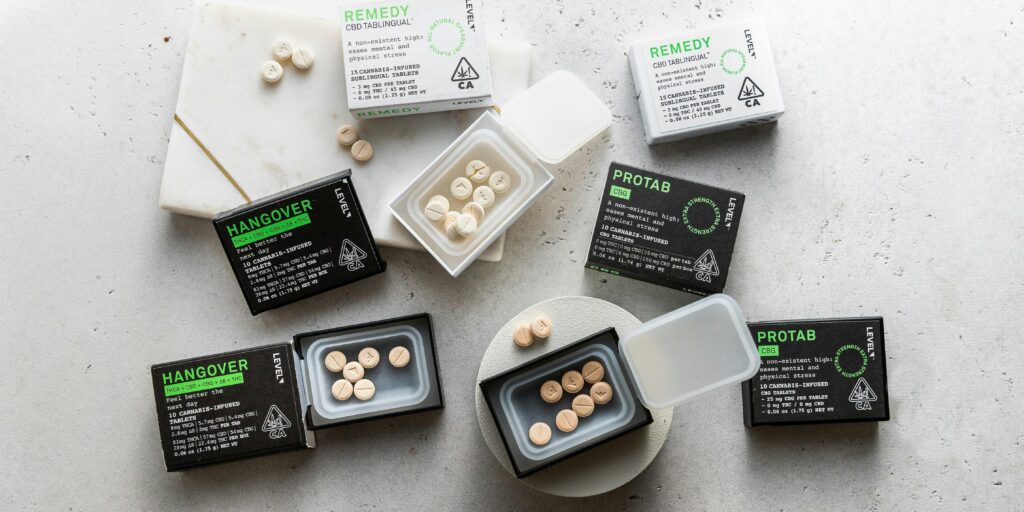
You might imagine THCA as the quieter cousin at a family reunion: closely related to the well-known THC, but reserved and diffrent in important ways. For anyone encountering it for the first time,THCA can feel like an invitation to look beyond the headlines and learn how subtle chemistry,plant biology,and law shape what we think we know about cannabinoids.
This article will guide you through the basics without assuming prior knowledge. You’ll learn what THCA is at a simple scientific level, how it differs from THC, where it appears in the cannabis plant, and why heat changes its character.We’ll touch on common ways it’s encountered, the current state of research and regulation, and practical considerations for someone curious but cautious.
Think of this as an orientation: clear, fact-focused, and designed to help you form thoughtful questions rather than hasty conclusions. Whether you’re reading out of curiosity, research, or general interest, the goal is to leave you with a reliable foundation for whatever next step you take.

The Science Behind THCA Explained Simply and Why It Matters
THCA is the natural, acidic form of what many know as THC, but it behaves very differently inside the plant and in your body.Found primarily in fresh, living cannabis, THCA carries a carboxyl group that keeps it largely non-intoxicating. When exposed to heat or UV light, a chemical process called decarboxylation removes that group and converts THCA into the familiar, psychoactive THC. Think of THCA as a dormant spark in the leaf-full of potential,but not yet a flame.
Why pay attention to this conversion? Because the difference between the two molecules affects everything from lab tests and legal status to how a product might be used therapeutically. Small changes in temperature, storage, or processing can shift the balance between non-psychoactive and psychoactive forms, so understanding the chemistry helps consumers and producers make safer, more predictable choices. Quick takeaways:
- Raw vs heated: raw plant = mostly THCA; heating = more THC.
- Non-intoxicating: THCA does not produce the classic “high” until converted.
- Interest for research: THCA’s distinct biology and stability invite different therapeutic questions than THC.
Below is a simple comparison to visualize the essentials:
| Feature | THCA | THC |
|---|---|---|
| Intoxicating | No | Yes |
| Common source | Fresh plant material | Smoked,vaped,or heated extracts |
| Activation | Converts by heat/light | Active form |
Understanding this simple chemistry shifts how you think about products,dosing,and labeling-making choices clearer whether you’re curious about wellness uses,testing,or simply exploring the plant.

Monitoring Effects and Adjusting Your Approach: A simple Tracking Plan
Begin with a baseline – jot down how you feel on a typical day before trying THCA so you can tell what’s actually changing. Use the same product form and roughly the same time of day when possible; small differences in method or timing can make effects look inconsistent. Think of this as a gentle experiment: change only one thing at a time so you know which adjustment made the difference.
Keep the log simple and consistent. Track items that will actually help you decide what to do next:
- Product & Dose – what you used and how much (mg or grams).
- Time – when you took it and how long until you noticed anything.
- effect – mood, pain, sleepiness on a 1-10 scale.
- Duration – approximate peak and how long the effect lasted.
- Side Notes – food, activity, or anything unusual that day.
| Day | Time | Dose | Effect (1-10) | Notes |
|---|---|---|---|---|
| Mon | 9:00 AM | 10 mg | 4 | Mild relaxation, no drowsiness |
| Thu | 9:30 AM | 12 mg | 6 | Noticed reduced tension, slight dry mouth |
When you review your notes, make changes in small increments – a 10-20% dose change or a single method swap (for example, edibles to tincture). Give any tweak at least a few trials (aim for about three attempts) before deciding it worked or didn’t. If you see consistent benefits, keep the routine; if unwanted effects appear, pause and consult a learned provider. Simple, steady tracking will show patterns faster than guessing or frequent big changes.
Future Outlook
As you close this first chapter on THCA, think of it as a quiet introduction rather than a full reveal – a compound that sits at the edge of the cannabis story, familiar yet still unfolding.You’ve learned the basics: where THCA is found, how it differs from its more famous relative, and why researchers and consumers alike are watching its path with cautious curiosity.
If you’re intrigued, let that curiosity be measured. Laws, science, and personal health are all part of the picture; stay informed, seek reputable sources, and consult professionals when questions touch medical or legal ground. Above all, let the encounter be the start of wise exploration – not a rush to conclusions – so your next step is purposeful, safe, and well-informed.