


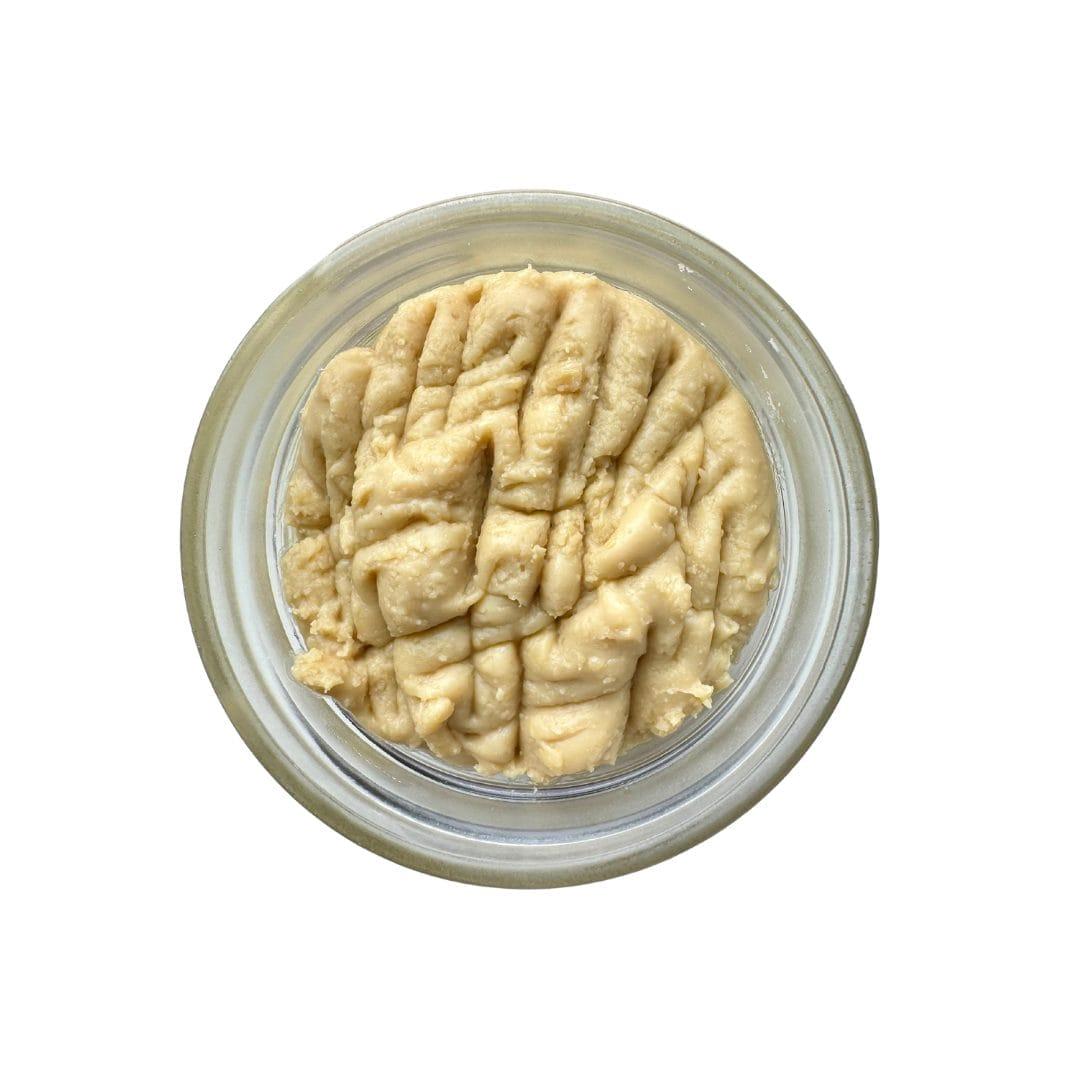
If you’ve ever skimmed a cannabis label and paused at “THCa,” you’re not alone.The acronym hints at a chemical cousin of the more familiar THC, but for many people it remains a minor mystery: what is it, how does it behave, and why does it matter?
This article-first-Time THCa: A Plain, Clear Introduction-takes a straightforward, curiosity-friendly walk through the basics. Think of THCa as a raw, unactivated form of a compound found in the cannabis plant: chemically related to THC, but different in how it acts and how you might encounter it. We’ll separate fact from jargon, explain what happens to THCa when it’s heated or left alone, and outline how people typically find it in the marketplace or in plant material.You won’t get dense chemistry lectures or hype about supposed benefits here.Rather, expect clear explanations, simple analogies, and practical points to help you understand what THCa is, how it differs from THC, and the simple safety and legal considerations to keep in mind. if you’re new to the term-or just want a calm, readable primer-this introduction is your starting point.
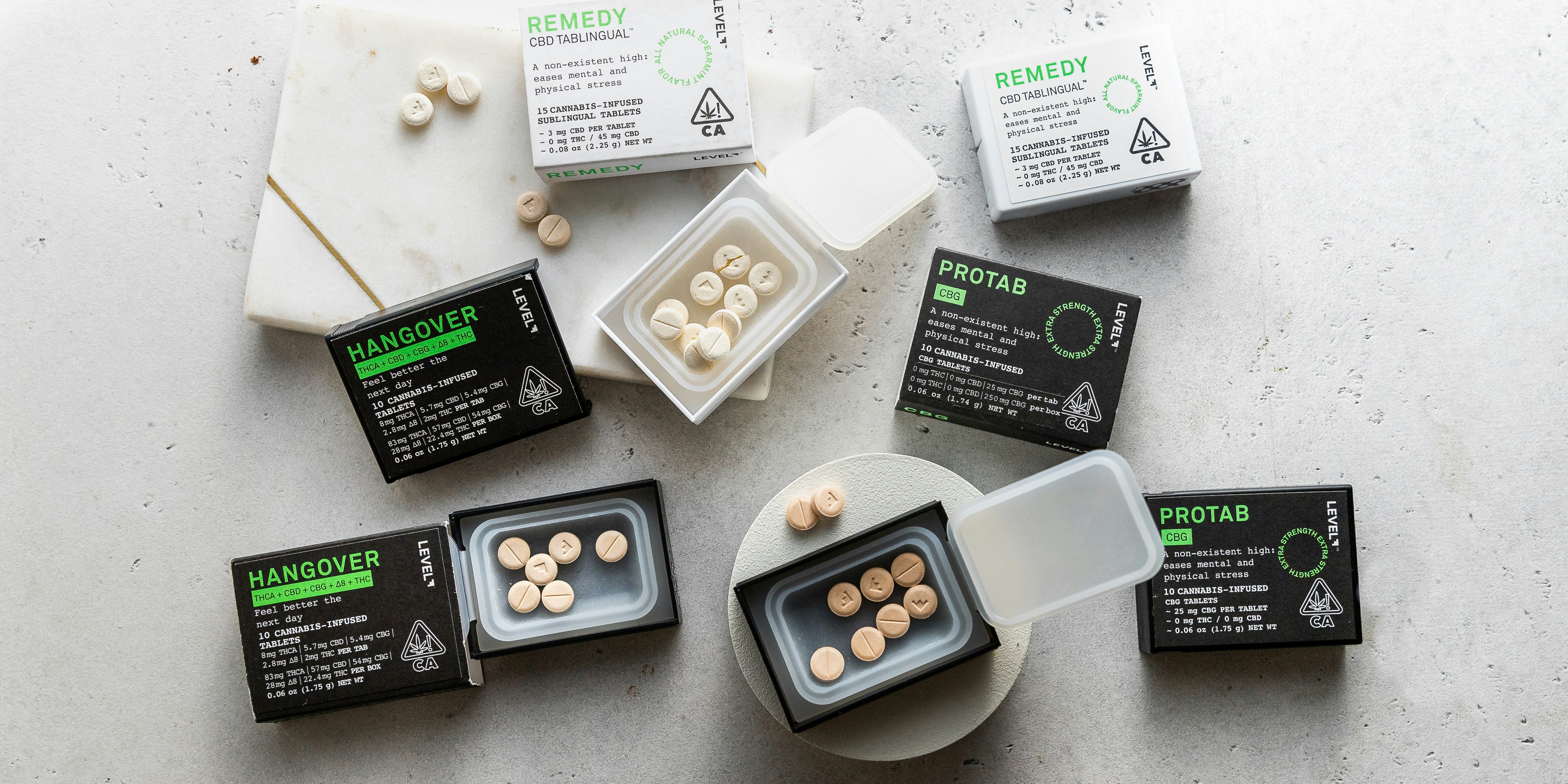
Understanding thca and How it Differs from THC
THCa is the naturally occurring,non-intoxicating precursor to THC found in fresh cannabis plants. In chemistry terms it’s the “acid” form – the molecule carries an extra carboxyl group until it is indeed removed. That removal process, called decarboxylation, happens with heat, light or time: when THCa loses CO2 it becomes the familiar psychoactive THC. In plain terms, raw plant material and cold extracts are rich in THCa and won’t produce the typical cannabis high unless they’re activated.
- Psychoactivity: THCa itself is generally non-intoxicating; THC is intoxicating.
- Conversion: Heat (smoking, vaping, baking) or prolonged aging turns THCa into THC.
- Usage: thca is often sought for raw juices, tinctures, or when a non-intoxicating profile is desired.
- Testing & law: Lab results show THCa separately from THC; legal status can depend on conversion potential.
| Feature | THCa | THC |
|---|---|---|
| Intoxicating | No (raw) | Yes |
| How it appears | Fresh plant, crystals | Activated by heat |
| Common use | Raw extracts, non-intoxicating products | Recreational & medicinal dosing |
For a first-time explorer, the practical takeaway is simple: if you want no high, choose products labeled for raw THCa use or consume cold preparations; if you want the classic effects, use methods that introduce heat. Also keep it stored cool and dark – temperature and light can slowly convert THCa to THC. always check lab certificates or packaging for clear THCa/THC breakdowns so dosing matches your expectations.

Choosing Reliable THCa Products Testing, Labels, and Trusted Sources
When you’re shopping for THCa products, clarity is the single best quality signal. Look beyond marketing and focus on verifiable details: independent lab results, clear potency information, and visible batch identifiers. These elements tell you whether a product was handled responsibly and give an honest picture of what you’re buying.
Trustworthy packaging and labels should include a few non-negotiables. Check for:
- Certificate of Analysis (COA) – from a third-party lab showing cannabinoid profile and contaminant screens.
- Batch/Lot number – so the product can be traced back to production details.
- Exact potency – THCa percentage and total potential THC when decarboxylated.
- QR code or lab link – quick access to the full COA online.
Clear dates, serving size guidance, and safety warnings are also signs of a brand that takes compliance seriously.
Buy from licensed dispensaries or well-documented online retailers; these sellers are more likely to post COAs and respond to questions. Small, local producers can be excellent, too-just make sure they provide the same documentation. If a product is suspiciously cheap, lacks a COA, or the seller can’t identify the sourcing, walk away. Your best practice: verify,compare,and choose visibility over hype.
| Quick Check | What It Means |
|---|---|
| COA (third-party) | Independent verification of potency and safety |
| QR code / lab link | Immediate access to full test results |
| Batch number & date | Traceability and freshness assurance |

Consumption Methods and Practical Dosing recommendations for Beginners
People encounter thca through very different formats, and the way you take it changes both the chemistry and the experience. Raw forms like cold tinctures or juiced flower keep THCa intact and are typically non-intoxicating. Once heat is applied, THCa becomes THC – that’s what happens with vaping, smoking, or baked goods that have been decarboxylated. Topicals usually act locally and rarely produce systemic effects. Knowing which route you’re using helps set expectations for onset, intensity, and how you should dose.
- Vaporizing / Smoking: Fast onset, easy to titrate – take a small puff and wait.
- Edibles (decarbed): Slow onset, long-lasting – be patient before redosing.
- Cold tinctures / Raw THCa: Often non-intoxicating; used for subtle, everyday routines.
- Topicals: Apply for local relief without expecting a high.
Start low and go slow. For products that will convert to THC with heat, beginners commonly start in the microdose range: roughly 1-2.5 mg THC-equivalent for edibles or a single small inhalation (one short puff) for vaping/smoking, then wait to assess. Wait at least 90-120 minutes after an edible before redosing; for inhalation, allow 15-30 minutes. With raw THCa tinctures or juices, effects are usually milder and non-intoxicating, but begin with a small amount and observe how you feel over a few hours.
Accurate measurement matters: use calibrated droppers, labeled products, or a digital scale for concentrates. Avoid mixing with alcohol or other sedatives when you’re trying a new route or dose. Keep a short log (dose, time, onset, notes) so you can dial in what works. And remember the basics of safety – don’t drive after consuming and store products securely away from children and pets.
| method | Beginner Start | Typical Onset | Usual Duration |
|---|---|---|---|
| Raw THCa (cold tincture) | 1-3 drops | 10-30 min (subtle) | 1-4 hours |
| Vape / Smoke | 1 small puff | 2-15 minutes | 1-3 hours |
| Edible (decarbed) | 1-2.5 mg | 60-120 minutes | 4-8+ hours |
| Topical | Pea-sized amount | 10-30 minutes (local) | 2-6 hours |
- Tip: Always check product labels for concentration and batch info.
- Tip: If combining with THC products, reduce dose accordingly.
- Tip: When unsure, consult a learned dispensary staffer and keep a personal dosing log.
The Conclusion
Like any new corner of a map, THCa is easiest to navigate when you travel with light baggage: clear information, measured expectations, and a respect for local rules. This introduction has aimed to lay out what thca is, how it differs from better-known cannabinoids, and the practical questions first-timers most frequently enough ask – potency, effects, legality, and safety – without turning complexity into mystery.
If you decide to learn more or try THCa products,do so from reputable sources,read product labels and lab reports,start small,and watch how your body responds. If you have health conditions,take medications,are pregnant or breastfeeding,or are unsure about legal issues where you live,check with a healthcare professional or legal resource before proceeding.
Curiosity and caution can coexist: informed choices let you explore responsibly. Keep this primer as a starting point, follow trustworthy guidance, and return to the science as new research and regulations evolve.
