


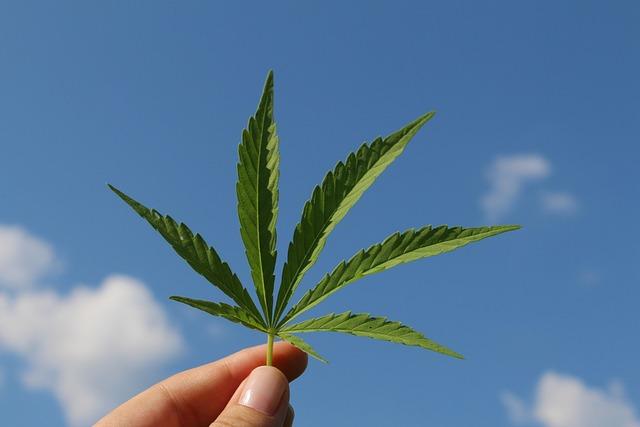
Sunlight and regulation rarely share the same warmth, but in Florida they meet over a curious compound: THCa, the non-intoxicating precursor to THC now woven into the fast-evolving hemp market. this introduction steps into that intersection – where federal statutes,state rules,laboratory testing and retail reality converge – and unravels how Florida’s approach to THCa hemp fits into the broader U.S. legal tapestry.
This guide offers a clear, neutral survey of the laws and practical considerations shaping THCa hemp in Florida: the relevant federal framework, state-specific thresholds and licensing requirements, testing and labeling expectations, and enforcement trends that producers, retailers and consumers should watch.Because regulatory landscapes shift and interpretations vary, the aim here is to illuminate the current contours and compliance touchpoints so readers can better navigate what’s permitted, what’s restricted, and what questions remain.

Interstate transport and Retail Sales Legal Risks and Practical Mitigation Strategies
Moving THCa products across state lines brings a patchwork of legal hazards: federal statutes, state-specific hemp definitions, and inconsistent enforcement can collide in ways that surprise even experienced operators. Shipments can be detained if testing shows elevated delta‑9 THC after decarboxylation, labels lack a valid Certificate of Analysis (COA), or carriers refuse hemp cargo on policy grounds. On the retail end, local ordinances and zoning rules can create friction for storefronts, while online sales raise questions about destination‑state compliance and age‑verification requirements.
Retailers face their own set of exposures beyond shipment hurdles: customer safety claims, marketing scrutiny by the FDA or FTC, and potential civil liability if products are misrepresented or inadvertently intoxicating. Points of sale must also reckon with underage purchase risks and return/refund disputes that can escalate into regulatory complaints. without clear documentation and strong consumer-facing controls, a single adverse event can trigger inspections, product seizures, or costly litigation.
- Robust testing and COAs: Use ISO/GLP‑accredited labs and provide batch‑specific COAs that address THCa conversion risk.
- Chain of custody: Maintain shipping paperwork, harvest records, and transport manifests to demonstrate lawful provenance.
- Carrier and platform agreements: Vet shipping partners and e‑commerce platforms for hemp acceptance policies before scaling.
- Retail controls: Implement age verification, staff training, clear labeling, and standard operating procedures for returns and adverse events.
- Legal and insurance review: Engage counsel to audit compliance and secure product liability coverage tailored to cannabinoid products.
| Risk | Practical Mitigation |
|---|---|
| Shipment seizure | COA + decarb stability testing |
| Retail mislabeling claims | Clear labels + batch traceability |
| Carrier refusal | Pre‑qualified logistics partners |
Key takeaways
As the regulatory tides continue to shift, navigating Florida’s THCa hemp landscape requires more than a map – it takes constant attention and careful compliance. This guide has outlined the key contours of state and federal rules, but remember that definitions, testing standards, and enforcement priorities can change quickly. Whether you’re a grower, retailer, or curious consumer, stay informed, document your practices, and consult a qualified attorney or compliance expert before making business decisions. With vigilance and good records, you can steer through the patchwork of rules and make choices that keep you on the right side of the law.