



A quiet revolution is unfolding at the edges of botanical science: THCA, the non-intoxicating precursor to the better-known THC, is stepping into the spotlight as researchers and clinicians explore its potential role in medicinal wellness. Where cannabis once offered a binary choice between psychoactive relief and abstention, THCA introduces a subtler palette-compounds that may interact with the body’s systems without the immediate high that defines smoked or vaporized THC. This shift invites a reevaluation of how we think about plant-derived therapeutics, moving the conversation from singular compounds to a more nuanced pharmacology.
Emerging studies, patient reports, and a growing industry interest have pushed THCA from curiosity to contender. Early work hints at anti-inflammatory, neuroprotective, and muscle-relaxant properties, but the evidence remains preliminary and fragmented.That makes it an inspiring subject for clinicians, scientists, and consumers alike: a compound at once ancient and newly relevant, requiring careful, methodical inquiry rather than hype-driven adoption.
This article maps the landscape of THCA-what it is, how it differs from THC, the current state of research, potential therapeutic applications, and the regulatory and ethical questions that follow.The goal is not to prescribe a verdict but to illuminate a promising strand of medicinal cannabis science, offering readers a clear, measured entry point into a new era of exploration and possibility.

Evidence-based benefits and safety: interpreting clinical and preclinical data
The growing corpus of research around THCA paints a picture of promising biological activity-but one that must be read with scientific caution. Preclinical studies, largely in cellular systems and animal models, have repeatedly shown anti-inflammatory and neuroprotective signals, while human data remain sparse and heterogeneous. Translating those bench findings into bedside practice requires standardized dosing, well-controlled trials, and rigorous safety monitoring; until then, conclusions about therapeutic efficacy shoudl remain tentative.
In laboratory settings THCA has produced consistent, mechanistically plausible effects. Highlights include:
- Anti-inflammatory effects: reductions in cytokine production and inflammatory markers in rodent and cell models.
- Neuroprotective signals: protection against oxidative stress and neuronal injury in preclinical neurodegeneration models.
- Anti-emetic and appetite-modulating trends: reduced nausea-like behavior in chemotherapy models and anecdotal clinical reports of appetite betterment.
Clinical evidence is still in its infancy: a handful of small observational studies and case series report symptom improvements for nausea, pain, or spasticity, but randomized controlled trial data are limited. On safety, THCA is generally described as non-intoxicating in its native acidic form; however, thermal decarboxylation converts THCA to THC, which can produce psychoactive effects.Other safety considerations include potential gastrointestinal upset, variability in product purity, and possible interactions with drugs metabolized by the cytochrome P450 system.
| Evidence type | Representative finding | Confidence |
|---|---|---|
| Preclinical (cells/animals) | Anti-inflammatory & neuroprotective effects | Moderate |
| Small clinical reports | Symptom reductions reported (nausea, pain) | Low |
| Safety/pharmacology | Non-intoxicating unless heated; drug interaction potential | Low-Moderate |
Practical priorities emerging from this mixed evidence are clear: pursue randomized trials with standardized extracts, document dose-response and long-term safety, and ensure product quality/control in clinical use. Until stronger human data appear, THCA should be approached as an intriguing bioactive compound-worthy of study, used cautiously in practice, and always interpreted within the limits of current evidence.

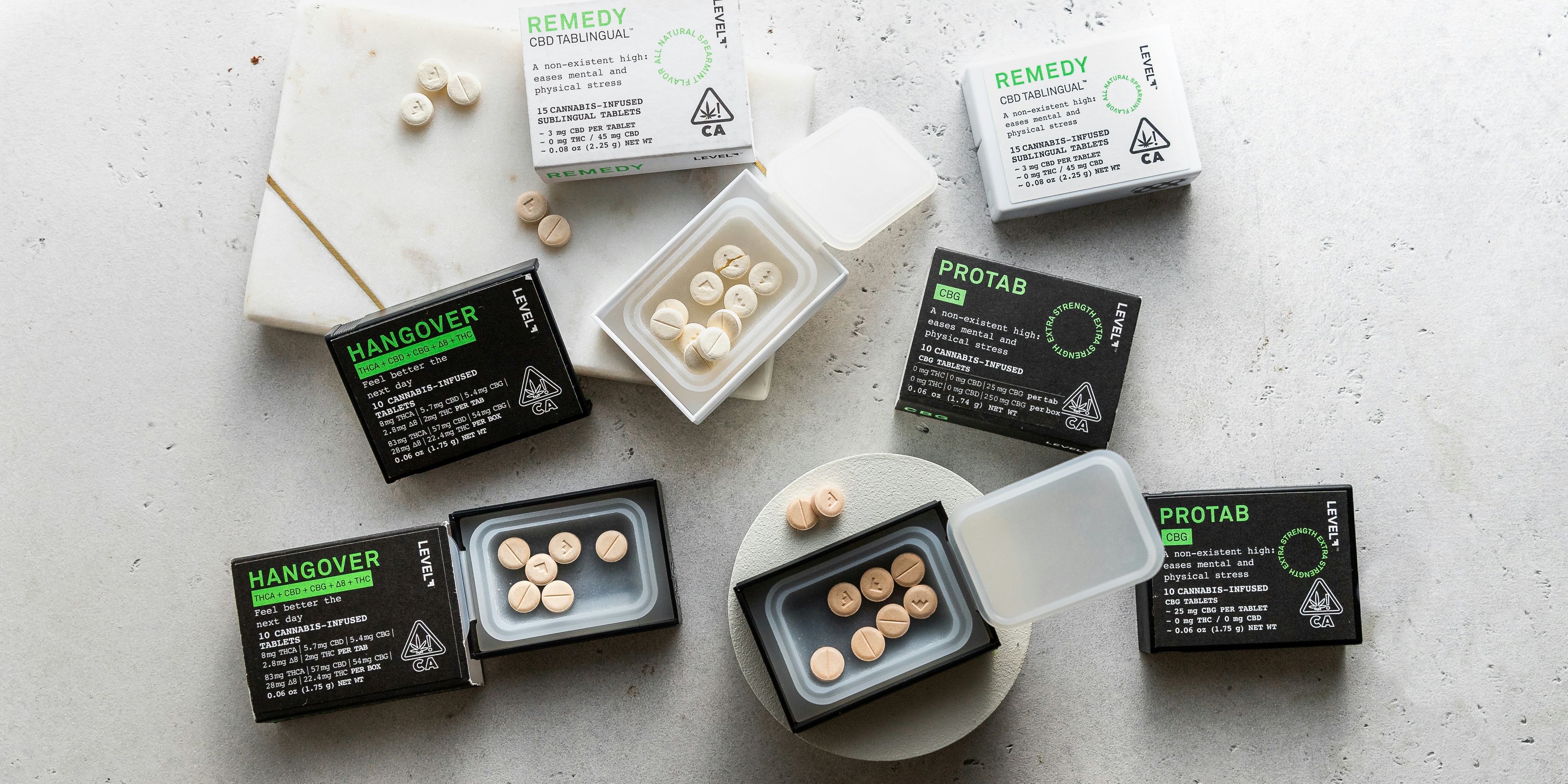
Optimal delivery and dosing strategies for therapeutic outcomes
Choosing the right path from plant to patient is as important as the compound itself. Different routes shape not just how quickly relief appears, but the overall character of the experience – onset, intensity, and duration all shift with delivery. A conservative mindset-start low, go slow-remains the most reliable approach, especially when working with bioactive, non-decarboxylated cannabinoids that can behave differently than their heated counterparts. Patient history, body weight, and concurrent therapies should all influence initial choices.
Practical matching of method to need can make therapeutic goals more attainable. For localized discomfort, topical formats concentrate action where it’s needed without systemic exposure. For predictable daily coverage, formulations with slower absorption provide longer windows between doses. And for occasions that demand rapid modulation, fast-acting preparations give clinicians and users a nimble tool.
| Delivery | Typical onset | Duration | Typical starting dose |
|---|---|---|---|
| Sublingual tincture | 15-45 minutes | 4-6 hours | 2-5 mg |
| Oral (edible) | 45-120 minutes | 6-12 hours | 5-20 mg |
| Topical/Transdermal | 15-60 minutes | 2-8 hours (localized) | 0.5-3 mg per application |
| Inhalation (cold-extract) | Immediate-10 minutes | 2-4 hours | 1-5 mg |
Small habits yield big insights. Keep a simple log of dose,timing,and outcomes; wait at least the full expected onset window before redosing; and be mindful of interactions with other medications.Useful tactics include:
- Titration – increase doses by small, consistent increments.
- Scheduling – align longer-acting forms with sleep or chronic symptoms, reserve quick-acting forms for acute needs.
- Storage – protect extracts from heat and light to preserve potency.
- Consultation – collaborate with healthcare professionals when combining therapies.
Therapeutic success with botanical cannabinoids is rarely one-size-fits-all. Thoughtful pairing of delivery and dosing, careful monitoring, and small iterative adjustments turn raw potential into reliable outcomes. Embrace experimentation within safe boundaries, and let patient response be the guide.

Research gaps and future directions for translating THCA into mainstream medicine
Despite promising preclinical signals, a constellation of unknowns still clouds the path from lab bench to bedside. We lack robust human pharmacokinetics for oral, inhaled and topical THCA preparations, precise dose-response curves, and longitudinal safety data across age groups and comorbid conditions. Equally critically important is the absence of standardized analytical methods to quantify THCA stability and conversion to THC under real-world storage and formulation conditions-questions that directly affect efficacy, reproducibility and regulatory acceptance. Clarifying metabolism, bioavailability and tolerability in humans must be a first-line priority.
Methodological refinements will drive progress. Large, placebo-controlled clinical trials powered for meaningful clinical endpoints are essential, but they must be paired with better preclinical models that reflect human inflammatory and neurodegenerative biology. Biomarker development-imaging, inflammatory panels, and digital symptom tracking-will help translate subjective improvements into reproducible outcomes. Key experimental priorities include:
- Standardized formulations (stable THCA-rich extracts vs isolates)
- Dose-finding studies with pharmacodynamic readouts
- Interaction screens for common prescription drugs
- Long-term safety cohorts and pregnancy/lactation registries
Beyond the bench, manufacturing and regulatory roadblocks must be addressed. Industry needs validated GMP pathways for THCA-rich products and consensus on acceptable impurity and decarboxylation limits. Regulatory frameworks should differentiate botanical complexity from single-molecule therapeutics while ensuring consistent labeling and patient safety. Clinician education programs and prescribing guidelines will accelerate ethical adoption-especially if paired with real-world evidence platforms that feed back into regulators and payers.
Practical milestones can guide investment and policy. Below is a concise staging roadmap to help researchers,funders and policymakers align efforts:
| Horizon | Priority | Expected Outcome |
|---|---|---|
| Short-term (1-3 yrs) | Analytical standards & small phase 1 trials | Baseline PK/PD and safety parameters |
| Mid-term (3-7 yrs) | Randomized controlled trials & registries | Evidence for specific indications and dosing |
| Long-term (7+ yrs) | Guidelines & market integration | Insurance coverage and clinical adoption pathways |
Innovation will flourish where rigorous science meets patient-centered design: pragmatic trials nested in health systems,combination studies pairing THCA with standard therapies,and digital tools that capture real-world benefits. if researchers and regulators coalesce around clear standards and prioritized studies,THCA could shift from botanical curiosity to a reliable therapeutic option-provided the journey remains evidence-led and patient-focused.
to sum up
As the last leaves of research fall into place, THCA emerges less as a miracle cure and more as a promising instrument in a growing medicinal toolbox. Its chemistry invites curiosity, its early findings invite cautious optimism, and its real-world use invites rigorous testing and thoughtful regulation. Harnessing THCA will require the same patience and precision that turned raw discovery into dependable therapy.
That work – clinical trials, standardized dosing, clear labeling, and informed dialog between clinicians, patients, and policymakers – is as necessary as the molecules themselves. only through careful study, transparent dialogue, and equitable access can potential benefits be separated from hype, and risks managed with integrity.
the story of THCA is not about a single breakthrough but about a measured expansion of possibilities: a new chapter in medicinal wellness written with evidence, humility, and care.