


Like the hushed promise of a seed waiting beneath soil,THCA has quietly captured the attention of curious consumers adn researchers alike. Once overshadowed by its more famous chemical cousins, this raw cannabinoid is reentering the conversation as people explore option, plant-derived options for everyday wellness. Its story is as much about chemistry as it is indeed about context: the compound’s properties, the ways it’s prepared and delivered, and the patchwork of regulations and science that shape how it’s used.This guide – Harnessing THCA: Effective Wellness Supplements Guide – walks a careful line between wonder and rigor. Rather than offering bold cures or blanket endorsements, it maps the landscape: what THCA is, how it differs from othre cannabinoids, the forms supplements take, and the considerations consumers shoudl weigh when choosing products. Along the way we’ll highlight the current state of research, common sourcing and quality issues, and practical questions about safety and legality.If you’re seeking a clear-eyed primer to inform your decisions, this article will equip you with the essential background and practical insights needed to navigate THCA supplements thoughtfully and confidently.
Choosing Quality THCA Supplements: Lab Testing, Extraction Methods, and Ingredient Transparency
Independent lab reports are your single most reliable tool when vetting THCA supplements. Look for a current Certificate of Analysis (COA) that lists potency, cannabinoid profile, and screens for contaminants – pesticides, heavy metals, residual solvents and microbes. A trustworthy COA will be linked directly on the product page or available by batch number; if a brand resists sharing it, consider that a red flag.
Extraction method matters for purity and consistency. Modern techniques can preserve desirable compounds while minimizing contaminants. Below is a quick comparison to help you recognize common labels and claims without getting lost in jargon:
| Method | Purity & Safety | Typical Use |
|---|---|---|
| CO2 Supercritical | High – solvent-free when done correctly | Precision extracts, broad market use |
| Ethanol | Moderate – efficient, careful refinement needed | Full-spectrum tinctures and concentrates |
| solventless (rosin) | Very clean – heat & pressure only | Small-batch, premium product lines |
Transparency goes beyond method and test sheets – it includes clear ingredient lists, batch numbers, and sourcing details.Prefer products that state the hemp origin (region/farm), list carrier oils or excipients, and specify serving size with THCA per dose. Watch for these quick cues when evaluating brands:
- Visible batch COAs linked to the exact product you’re viewing
- Full ingredient disclosure – no proprietary “blend” that hides fillers
- Realistic potency claims and clear dosing guidance
- Traceable hemp source and mention of cultivation practices (e.g., organic)

practical Dosage Protocols and Safety Considerations Tailored to Wellness Goals
Begin with intention and measurement. For many, the safest path is the time-honored mantra: start low, go slow. begin with a microdose and allow several days between small increases so you can observe effects on sleep,mood,inflammation,or focus. Individual sensitivity varies widely-body weight, metabolism, and prior cannabinoid exposure all shape response-so treat the first two weeks as an experiment in gentle calibration rather than a race to results.
Different wellness goals call for different delivery systems and pacing. Consider these practical starting points and adjust upward only after consistent observation:
- tinctures: 1-2 mg THCA to start; increase by 1-2 mg every 3-5 days. Ideal for daytime microdosing and precise control.
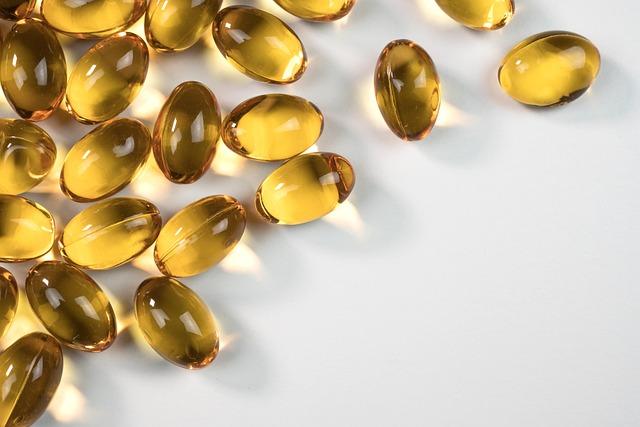
- Capsules: 2.5-5 mg as a baseline; useful for sleep or chronic-support routines where convenience and consistency matter.
- Topicals: Apply a pea-sized amount to targeted areas; repeat no more than twice daily and monitor skin sensitivity.
- Raw flower/juicing: Unheated THCA is non-intoxicating; servings vary-begin with a small leaf portion and note systemic effects before increasing.
Safety is non-negotiable. Keep a short checklist to reduce risk: always choose lab-tested products that list THCA content, never heat THCA products unintentionally (decarboxylation converts THCA to psychoactive THC), avoid use during pregnancy or breastfeeding, and discuss potential interactions with medications metabolized by CYP450 enzymes (blood thinners, certain anticonvulsants, etc.). Be cautious if you have a history of psychosis or bipolar disorder. Label and store supplements out of reach of children and pets, and refrain from driving or operating heavy machinery until you understand your individual response.
| Form | Starting Dose | Typical Range | onset / Duration |
|---|---|---|---|
| Tincture (sublingual) | 1-2 mg | 1-10 mg | 15-45 min / 4-8 hrs |
| Capsule | 2.5-5 mg | 2.5-20 mg | 30-90 min / 6-12 hrs |
| Topical (creams) | Small pea-sized | As needed | 10-30 min / localized hours |
| Raw (juiced) | Small serving | Varies | Gradual / variable |
Keep a short journal of dose, timing, and effects for at least two weeks. If you notice unexpected or severe reactions-heightened anxiety, rapid heart rate, or mood destabilization-stop use and consult a healthcare professional. Thoughtful dosing combined with clear safety practices lets THCA be integrated into a wellness plan responsibly and creatively.
Concluding Remarks
As you close this guide, think of THCA as one more instrument in the wellness toolkit: promising, specific in its uses, and best handled with care. The growing body of research and an expanding market offer options, but they also demand informed choices – about product quality, legal status, dosing, and how a supplement might interact with your health plan.
If you’re curious, start small, track effects, and prioritize third‑party testing and clear sourcing. Stay current with developments and don’t hesitate to discuss THCA with a trusted healthcare professional before making it part of your routine.
Whether THCA becomes a regular part of your regimen or simply a subject of interest, approaching it with curiosity, caution, and clear information will help you make the decision that fits your well‑being goals.

