


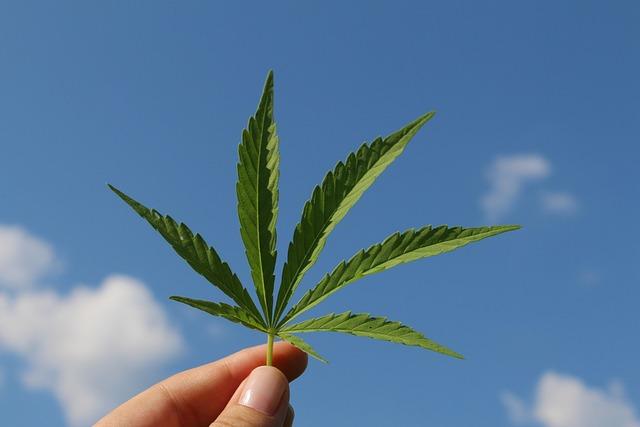
Some evenings the world feels like a cup of loud tea-stirred and steaming, impossible to quiet. Other times, we look for something gentler: a small, steady presence that might help steady the breath without promising miracles. Hemp-derived THCA has emerged in that quiet corner of curiosity, a compound on the margins of cannabis conversation that invites a calm, careful look.
Chemically, THCA is the acidic precursor to THC. In the raw plant it is indeed largely non-intoxicating; when heated, it converts to the familiar psychoactive molecule. That basic distinction has helped THCA attract attention from people who want to explore hemp’s chemistry without the immediate association with a high. Paired with growing interest in natural approaches to stress and anxiety, THCA appears in conversations, products, and early studies-but the story is more nuanced than headlines suggest.
This article offers a grounded exploration: what THCA is, how it differs from THC, why some people mention it in the context of anxiety, and what the current science and safety considerations actually show. No promises, no hype-just a calm, clear mapping of what we know, what we don’t, and the questions worth asking before deciding whether THCA belongs in your own search for balance.
Evidence and Limits: What Research Says About THCA for Anxiety and Where more Data Is Needed
What we know so far is mostly a patchwork of laboratory and animal studies,a handful of human observational reports,and a growing collection of user anecdotes. In rodents, THCA has shown anti-inflammatory and neuroprotective activity and has interacted with receptor systems that are plausibly linked to mood regulation. Human data are sparse: some small surveys and case reports hint at subjective reductions in anxiety symptoms when people use hemp-derived THCA products, but these accounts are uncontrolled and often confounded by other ingredients or prior cannabis use.
Where the evidence falls short is important to acknowledge. There are no large, randomized, placebo-controlled trials that test THCA specifically for anxiety. Product variability (THCA vs. decarboxylated THC), dosing inconsistencies, unknown bioavailability, and potential conversion to THC during processing or digestion all muddy the waters. Safety over weeks or months, interactions with common psychiatric medications, and the influence of other cannabinoids or terpenes remain under-studied.
Key gaps researchers should prioritize:
- Standardized, pharmaceutical-grade THCA formulations for controlled testing
- Double-blind randomized controlled trials measuring validated anxiety scales
- Pharmacokinetic studies to define absorption, metabolism, and possible conversion to THC
- Long-term safety and interaction studies, especially with SSRIs and benzodiazepines
- dosing trials to identify minimal effective and safe ranges
For a speedy snapshot, the table below summarizes the current quality of evidence and where confidence sits today:
| Evidence Type | Typical Finding | Confidence |
|---|---|---|
| Preclinical (cells, animals) | Signals of anti-inflammatory and neuroprotective effects | Low-Moderate |
| Observational / Anecdotal | Some users report reduced anxiety, but uncontrolled | Very Low |
| Randomized Clinical Trials | None robustly published for anxiety | None |

Practical Dosing Guidelines and Administration Methods for People Considering THCA for Anxiety
Start low, go slow is more than a catchphrase-it’s the simplest practical plan for anyone exploring THCA for anxiety. Because standardized dosing is not established, a cautious approach is recommended: many users begin with a microdose in the 1-5 mg range (THCA-equivalent), move to a mild dose of 5-15 mg if needed, and regard anything above ~20-30 mg as a stronger dose that may produce different effects. Increase in small steps (1-5 mg) every 3-7 days while tracking how you feel. Remember product potency varies widely; rely on third‑party lab results (COAs) and, when in doubt, consult a healthcare professional familiar with cannabinoid therapies.
Administration method matters as much as dose. Consider these common options and what they mean for anxiety management:
- Raw/juiced flower: Preserves THCA without converting it to THC-gentle, non‑psychoactive, but requires access to raw material.
- Sublingual tinctures: Fast onset and easy to titrate; choose cold‑extracted formulas labeled as THCA to avoid decarboxylation.
- Capsules/softgels: Convenient and discreet for steady dosing; onset is slower but dosing is consistent.
- Edibles / baking: High heat converts THCA to THC-effective if psychoactivity is wanted, but avoid if you wish to remain non‑intoxicated.
- smoking/vaping: Also decarboxylates THCA to THC; not recommended for those seeking purely THCA effects or who wish to avoid intoxication.
| Method | Typical Onset | Decarb / Psychoactive Risk |
|---|---|---|
| Raw (juice) | 15-60 min | Low (non‑psychoactive) |
| Sublingual tincture | 10-45 min | Low if cold‑extracted |
| Capsules | 30-120 min | Low (if unheated) |
| Edibles / Smoking | 30 min – 2 hrs / immediate | High (converts to THC) |
Practical habits amplify safety and effectiveness: keep a short log of dose, method, time of day, and anxiety level; avoid combining with alcohol or sedatives; and give each change several days to show effects. If your goal is non‑intoxicating anxiety relief, prioritize cold‑processed tinctures, raw preparations, or capsules explicitly labeled for THCA. Above all, do not operate heavy machinery or drive until you know how a product affects you, and always verify potency with third‑party COAs before adjusting doses.
To Conclude
As we’ve seen, hemp-derived THCA sits at the intersection of chemistry, curiosity and caution – a non-intoxicating compound with a growing but still incomplete scientific picture around anxiety. The story so far is one of promising signals, mixed results, and many open questions; it’s a subject for careful observation rather than quick conclusions.
If you’re considering THCA as part of your approach to stress or anxiety,keep choices deliberate: look for obvious lab testing,understand local laws,and talk with a healthcare professional who knows your medical history. Personal responses can vary, and what calms one person may do little for another - or require adjustments in dosing, timing, or formulation.
approaching THCA with curiosity and restraint allows room for both hope and prudence. As research continues to unfold, staying informed, patient and grounded will serve you better than chasing any single cure – and that steady viewpoint is itself one of the quietest tools against anxiety.

