


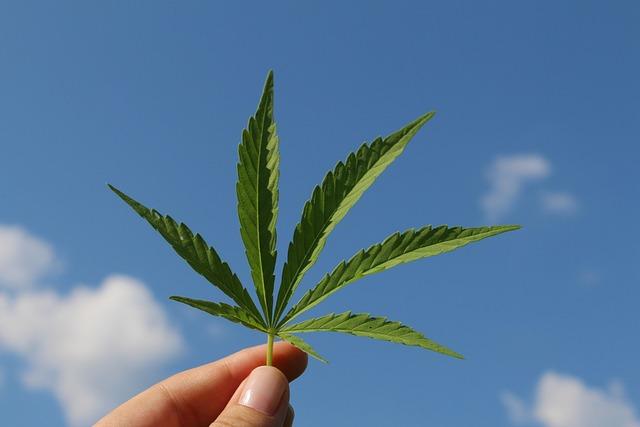
Hidden in the green hush of the hemp plant is a compound that’s been quietly gaining attention: THCA,the acidic precursor to the more widely known THC. Unlike its famous cousin, THCA does not typically produce the intoxicating high associated with cannabis when consumed in its raw form, yet it carries a growing reputation among makers, users, and researchers as a possible contributor to wellbeing. This article steps into that subtle space,tracing the molecule’s journey from plant to product and asking what,if anything,supports the claims being made about its effects.
We’ll begin by unpacking what THCA actually is – chemically, biologically, and legally – and how it differs from decarboxylated THC. From there we’ll explore the landscape of anecdote and science: how consumers describe their experiences, what preliminary studies suggest, and where the gaps in knowledge remain. Along the way we’ll look at practical matters that matter to anyone curious about trying hemp-derived THCA: how products are made, how to read labels, quality and safety considerations, and the regulatory grey areas that can affect availability and reliability.
This is an exploration rather than an endorsement. The language of wellbeing is broad and subjective,and current evidence on THCA is emerging and incomplete. With curiosity and caution, the article aims to give readers a clear, measured picture to help them decide whether this quiet compound deserves a place in their own health conversations.


Scientific Evidence on Wellbeing Effects and Safety Considerations
The scientific picture around hemp-derived THCA is promising but still largely preliminary. Most published work consists of in vitro and animal studies pointing to anti-inflammatory and neuroprotective activity, as well as interactions with receptors and ion channels implicated in pain and metabolism. Human clinical data are scarce: small observational reports and early-phase studies hint at potential wellbeing effects, but robust randomized controlled trials are not yet available to confirm efficacy, optimal dosing, or long-term outcomes.
Safety considerations are an critically important counterpoint to the excitement. In its raw, unheated form THCA is generally described as non-psychoactive, yet it readily converts to psychoactive THC through decarboxylation (heat or prolonged storage). Labelling inconsistency, variable potency, and possible contamination (pesticides, heavy metals, residual solvents) further complicate risk profiles. Metabolic interactions are also a concern: THCA and co-occurring cannabinoids may affect liver enzymes (CYP family), altering the disposition of prescription medications.
- third-party lab testing: Look for Certificates of Analysis (COAs) that confirm THCA content and screen for contaminants.
- Storage & use: Avoid heating unknown products to prevent unintended THC formation.
- Medical caution: Consult a clinician if you take other medications, and avoid use during pregnancy or breastfeeding.
| Potential Effect | Evidence Level | Practical Note |
|---|---|---|
| Anti-inflammatory | Preclinical (animals, cells) | Mechanistic promise; needs human trials |
| Neuroprotective | Preclinical | Early signals in models of neurodegeneration |
| Wellbeing / mood effects | Limited human observations | Anecdotal; placebo-controlled studies lacking |
| Safety profile | Insufficient human data | Watch for decarboxylation and interactions |


Methods of Consumption and Practical Dosing Guidelines for Everyday Use
Hemp-derived THCA is available in a variety of delivery formats, each offering a different rhythm of onset and duration.Choosing between a sublingual tincture, capsule, vape, topical balm, or edible comes down to how quickly you want effects to begin, how long you want them to last, and whether you prefer systemic or localized results. Bioavailability and convenience vary: inhalation gives fast feedback,oral products provide longer-lasting profiles,and topicals target surface areas without systemic absorption for many users.
When moving from curiosity to everyday use, follow the simple mantra: start low and go slow. many consumers begin with a microdose and gradually increase until they find a consistent, comfortable level. Wait times matter-sublingual products may show effects in 15-45 minutes, edibles can take 60-180 minutes, and inhalation is typically felt within minutes-so allow full onset before adjusting the dose. Avoid mixing with alcohol or sedatives until you know your response, and keep a short log to track dose, timing, and subjective outcome.
- Sublingual tinctures: Fast-ish onset, good for measured dosing and daytime control.
- Capsules: predictable dosing and discretion; slower onset but steady duration.
- Vaporizers: Immediate feedback and titration, best for quick adjustment.
- Topicals: Local request for targeted areas; minimal systemic timing concerns.
- Edibles: long-lasting, strong onset after delay-plan doses carefully.
| Form | Typical Start Dose | Onset (approx.) |
|---|---|---|
| Sublingual tincture | 1-5 mg | 15-45 min |
| Capsule | 2-10 mg | 60-120 min |
| Vape | 0.5-3 mg (per inhale) | 2-10 min |
| Topical | Apply as needed | Variable (local) |
For everyday integration, set modest goals: a consistent morning routine for focus, a smaller midday touch-up if needed, and a slightly higher evening dose for unwinding if it suits you. Store products away from heat and light, label doses clearly, and rotate formats if you want different onset/duration profiles. Above all, be methodical-adjust in small increments, document changes, and prioritize sleep and hydration as you assess what works best for your lifestyle.
Insights and Conclusions
As our exploration of hemp-derived THCA draws to a close, the picture that emerges is one of cautious curiosity: promising signals from early research and anecdote, framed by gaps in knowledge and a shifting legal landscape.THCA’s potential to contribute to wellbeing invites further study and careful consumer choices rather than quick conclusions.
If you’re intrigued,approach the subject with the same balanced curiosity-seek out reputable sources,check product quality and legality in your area,and discuss any changes to your wellness routine with a healthcare professional. Meanwhile,let the conversation about THCA be guided by evidence,openness,and thoughtful experimentation rather than hype-so that future discoveries can be judged on their merits and benefit those who seek them.